





Herbert Royle Oil Painting
A herbert royle oil painting brings quiet Yorkshire landscapes and coastal inlets into a room with confident brushwork and light.
Herbert Royle Oil Painting
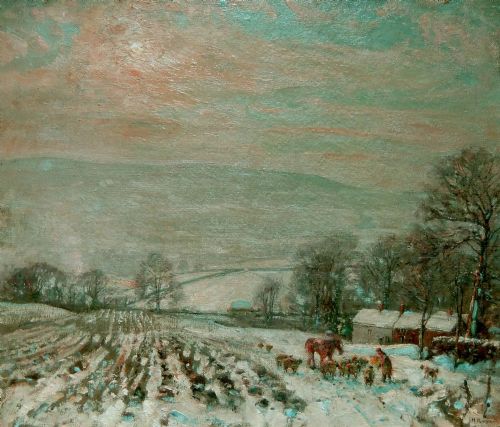
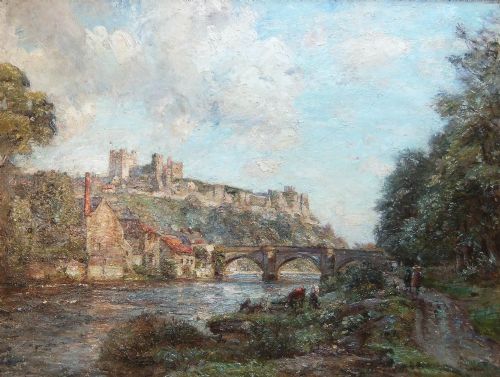
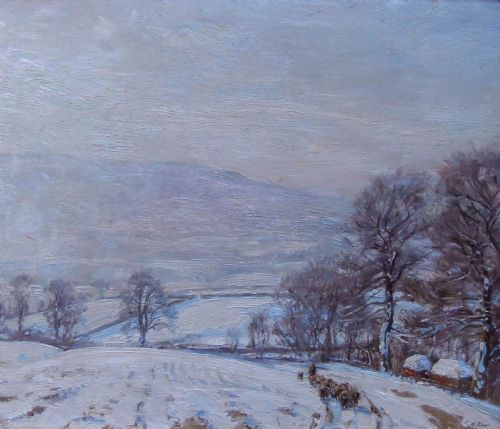
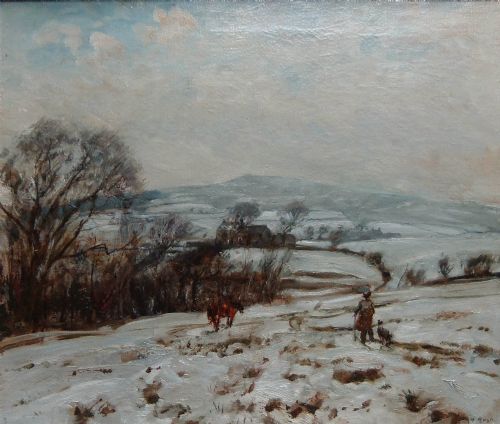
A herbert royle oil painting captures rural scenes, farmsteads, and river valleys, predominantly set in Wharfedale, Yorkshire, alongside coastal views from Scotland and Wales. The works originate from the early decades of the twentieth century, specifically spanning the nineteen-tens, twenties, and thirties.
Buyers encounter subjects recording agricultural life such as haymaking, timber hauling, and winter feeding, painted outdoors directly before the landscape. These pieces align with British Impressionism, showing visible brushstrokes and a deep concern for changing seasonal light.
The compositions focus on familiar northern terrain, including Bolton Abbey, Nesfield, and the banks of the Wharfe, alongside occasional marine and industrial harbour scenes.
Canvas, Wood, and Oil Paint
The works utilise oil paint applied to prepared canvas or wood panels, allowing the artist to build texture and impasto across the surface. Pigments are layered to catch natural illumination, moving from thin washes to thick applications with the brush or knife.
Support materials consist of woven canvas stretched over wooden frames or solid wooden boards, standard supports for plein-air painting during the period. These surfaces hold the heavy oil medium securely, preserving the varied marks through decades.
Herbert Royle Oil Painting Retail Price Guide 2026
Typical asking prices for herbert royle oil painting among the pieces listed under this phrase on Sellingantiques today, from the lower quarter to the upper quarter. They describe what is for sale here now, not the wider market.
Listings feature oil paintings on canvas and wood from the 1910s, 1920s, and 1930s, centring on British Impressionist landscapes.
Brushwork, Subject, and Atmosphere
Quality rests in the vigour of the handling and the success of the atmospheric capture, particularly how winter light or summer harvest scenes are rendered. Works with strong tonal contrast and confident, rhythmic brushstrokes distinguish themselves from quieter or more routine compositions.
Subject matter also influences distinction, with specific Wharfedale snow scenes and detailed agricultural depictions often holding greater visual presence than simpler topographical studies.
Herbert Royle
The Herbert Royle Oil Painting Glossary
- British Impressionism
- A painting style developed in Britain during the late nineteenth and early twentieth centuries that adopted French plein-air methods to record local light and domestic landscapes. Artists focused on spontaneous brushwork rather than rigid academic finish.
- Impasto
- Paint applied thickly to a canvas or panel so that it stands out from the surface. This technique allows the artist to retain the physical gesture of the brush.
- Plein-air
- The practice of painting outdoors to capture direct observations of natural light and weather. Works produced this way often display immediate responsiveness to the shifting environment.
- Provenance
- The documented history of ownership surrounding a work of art. Clear records help establish authenticity and trace the journey of a painting through time.
Herbert Royle Oil Painting: Frequently Asked Questions
Where did Herbert Royle paint?
The artist focused heavily on Yorkshire, particularly Wharfedale, Bolton Abbey, and Nesfield, alongside rural and river locations in Scotland and Wales.
These regions provided the farms, hayricks, and winter fields that defined his chosen subject matter throughout his working life.
What periods do these paintings date from?
The works originate from the early twentieth century, specifically recorded across the nineteen-tens, nineteen-twenties, and nineteen-thirties.
This era represents the core decades of the artist's production within British Impressionism.
How should I frame an oil painting?
Select a wooden frame that complements the tones of the canvas without overwhelming the composition, keeping period appropriateness in mind.
Ensure the painting sits securely with proper clearance from the glass if glazing is used, though oil paintings on canvas often breathe best without it.