



Heraldic Wood Panel
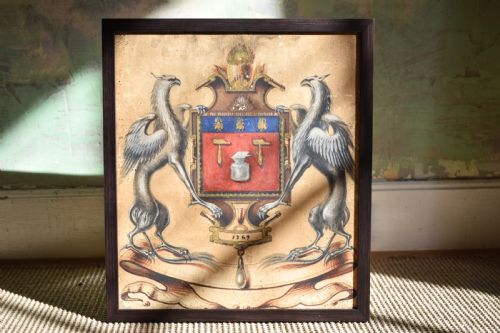
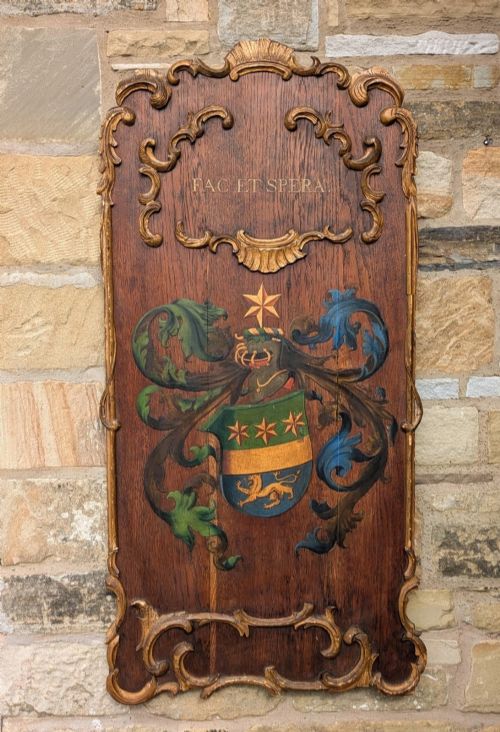
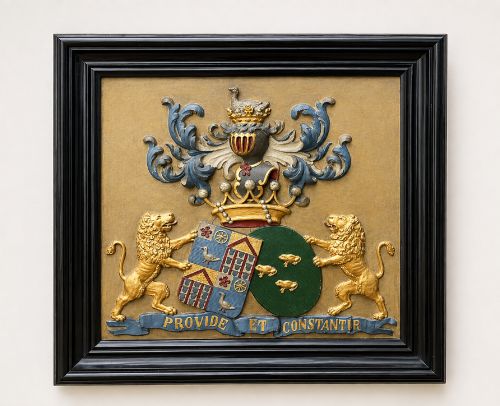
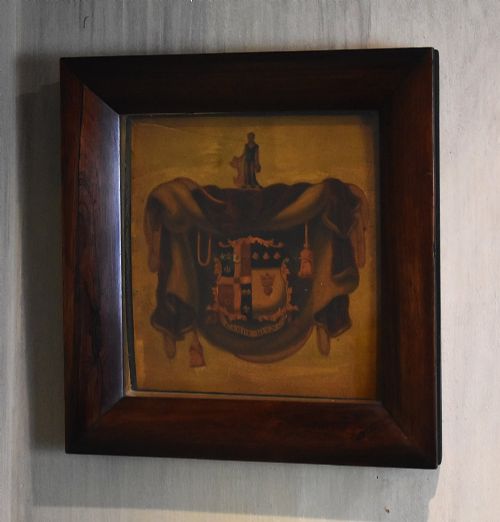
These heraldic wood panel pieces carry coats of arms, crests, and painted armorials, offering a direct link to historic lineage.
Heraldic Wood Panel
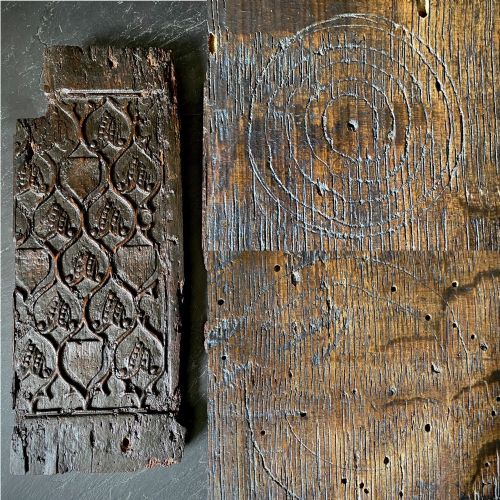
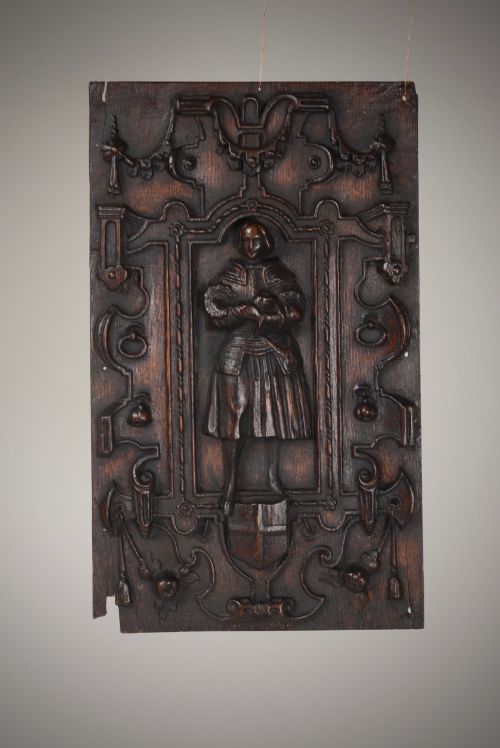
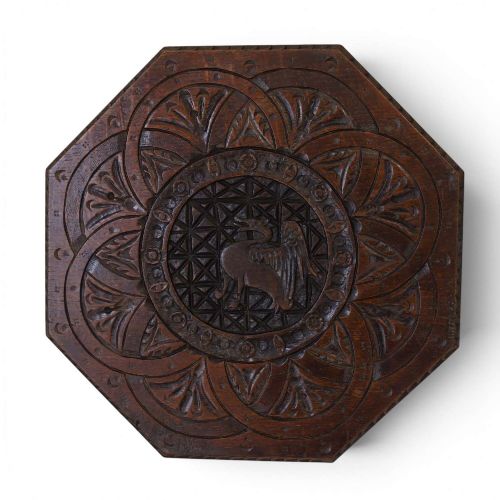
When you search for a heraldic wood panel, you encounter carved wooden panels, painted plaques, and architectural fragments bearing coats of arms, crests, and family insignia. These objects range from early carved oak panels dating to the pre-sixteenth century up to nineteenth-century interpretations and Georgian coach panels.
The selection on this page includes wall plaques, fire screens, book cover bindings, and door pediments rendered in oak, walnut, mahogany, and fruitwood. Many incorporate painted pigment, gilt, or brass frames to highlight the armorial bearings of families such as the Setons and Clan Maclellan.
How they were made
Makers utilised solid timbers such as oak, walnut, and mahogany, shaping them through carving, joining, and turning to form panels, plaques, and architectural elements. Woodworkers applied chisels and gouges to build low and high relief carvings of figures, crests, and decorative borders.
Surface decoration frequently involved polychrome pigment, oil paint, and gilt applied directly to the wood or over preparatory layers. Metal components like brass frames and brass mounts were integrated to secure and display the timber elements.
Heraldic Wood Panel Retail Price Guide 2026
Typical asking prices for heraldic wood panel among the pieces listed under this phrase on Sellingantiques today, from the lower quarter to the upper quarter. They describe what is for sale here now, not the wider market.
Listings feature oak, walnut, mahogany, and fruitwood combined with oil paint, gilt, and polychrome pigment across several centuries.
What varies in quality
The distinction between standard and superior pieces rests on the crispness of the hand carving and the preservation of original polychrome pigment or oil paint. Skilled carvers achieved depth and anatomical precision in figures and heraldic beasts, whereas lesser examples display softer, flatter execution.
The integrity of the timber and the provenance associated with identified family crests or named individuals elevate certain panels above decorative architectural salvage. Retaining original surfaces without modern overpainting preserves the historical value of the armorial design.
Nanninga Uitterdyke·Icilio Federico Joni
The Heraldic Wood Panel Glossary
- Armorial
- Relating to heraldry or bearing a coat of arms. These designs display hereditary symbols belonging to specific families or institutions.
- Polychrome pigment
- Paint applied in multiple colours to decorate a carved surface. This technique brought vibrancy to heraldic shields and figurative panels.
- Architectural salvage
- Elements rescued from buildings undergoing demolition or alteration. Pieces such as door pediments and wall panels found new life as interior wall art.
- Apotropaic mark
- A carved symbol intended to ward off evil spirits and witchcraft. Historic oak panels occasionally display these ritual protection marks alongside scorch marks.
- Gilt
- A thin layer of gold leaf applied to wood or other surfaces. It highlights specific details on armorial plaques and frames.
Heraldic Wood Panel: Frequently Asked Questions
How were heraldic panels used?
These panels functioned primarily as statements of lineage, status, and identity within great halls, chambers, and official properties. Owners displayed family coats of arms to assert heritage, authority, and alliances.
Over time, some armorial panels transitioned into domestic furnishings, serving as fire screens, tabletop inserts, or decorative wall plaques in later interiors.
Are these panels from specific centuries?
The pieces span multiple periods, ranging from pre-sixteenth century medieval examples to seventeenth-century carvings and nineteenth-century Gothic Revival interpretations. Each era brought distinct carving depths and stylistic conventions to the armorial design.
Nineteenth-century makers frequently reproduced or incorporated earlier aesthetics, creating historicist pieces inspired by Dutch and medieval traditions.
What woods were used for armorial panels?
Oak is the predominant timber found in these listings, valued for its durability and traditional use in British and European panelling. Walnut, mahogany, and fruitwood also appear in later nineteenth-century pieces.
Makers occasionally combined woods, mounting oak or fruitwood plaques into contrasting frames or incorporating brass mounts to frame the heraldic display.
How do I care for a historic wood panel?
Maintain stable indoor humidity levels and keep wooden panels away from direct heat sources and strong sunlight. Sudden temperature shifts cause timber to split and painted surfaces to flake.
Dust the carved and painted surfaces gently with a dry, soft brush. Avoid applying modern polishes or solvents that could damage historic pigments and gilding.