





Hepplewhite Chest of Drawers
A hepplewhite chest of drawers brings graceful Georgian proportions and fine figured mahogany to a room.
What they are
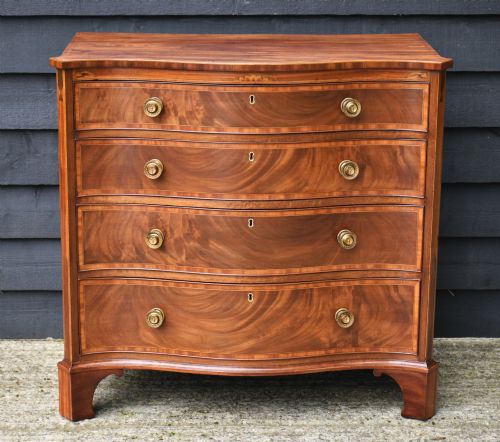
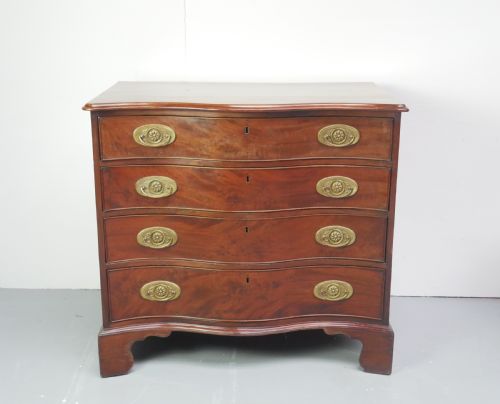
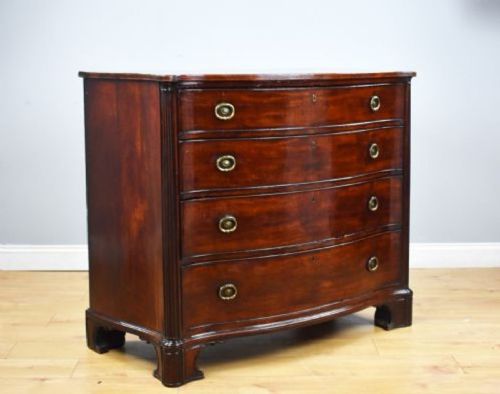
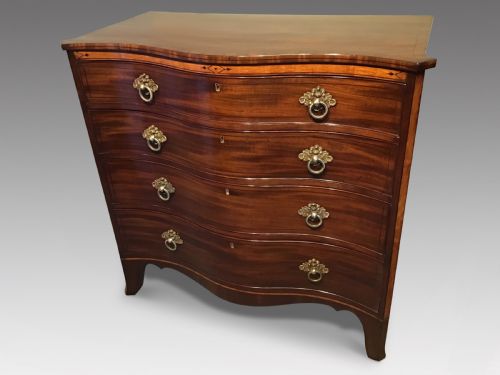
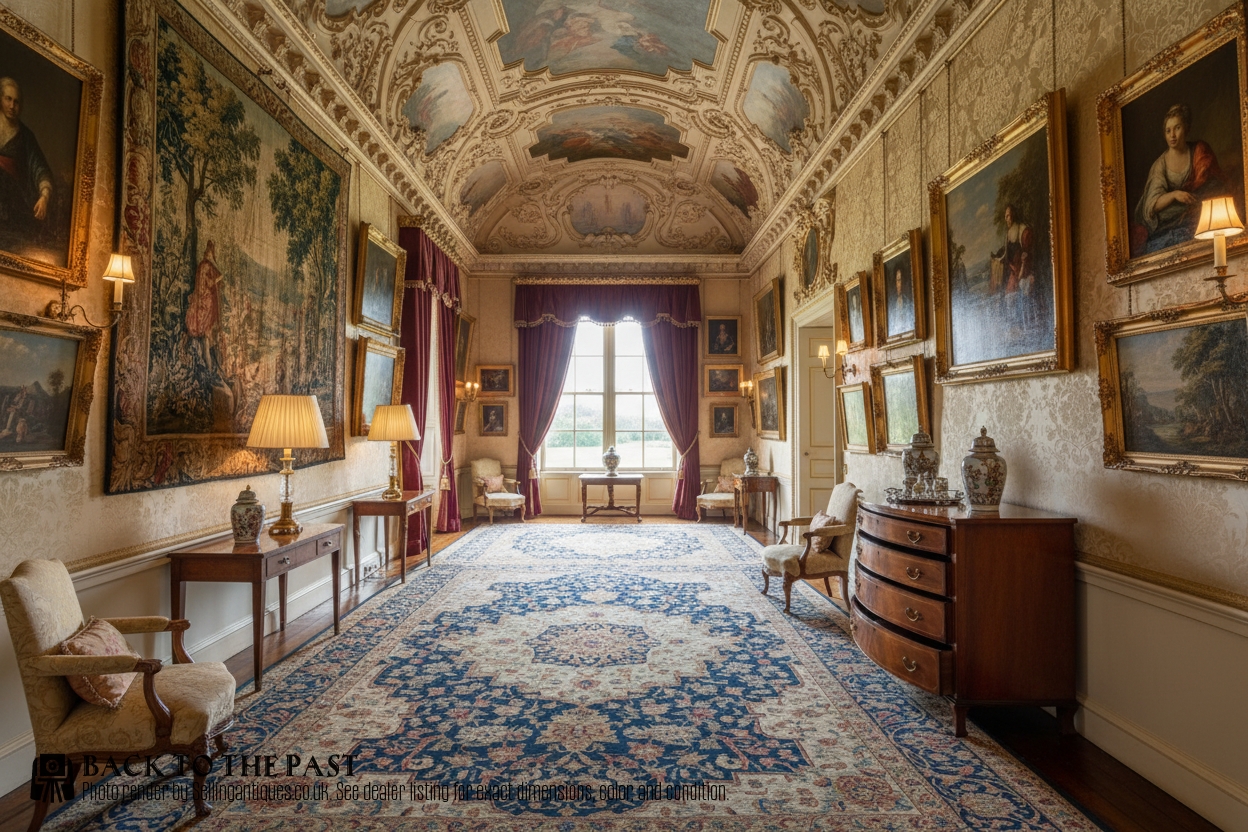
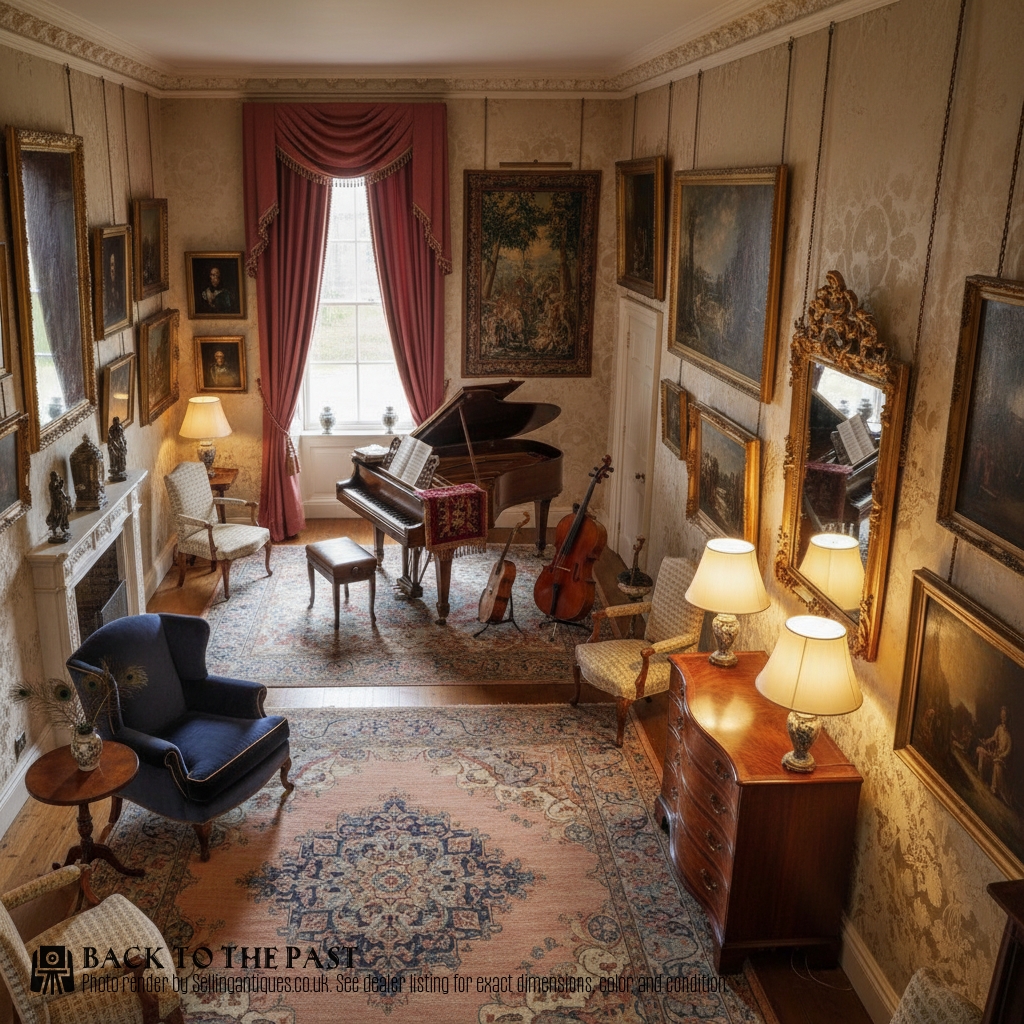
A hepplewhite chest of drawers typically presents a serpentine or bow front shape formed in mahogany. These pieces span the eighteenth century, nineteenth century, and revival periods.
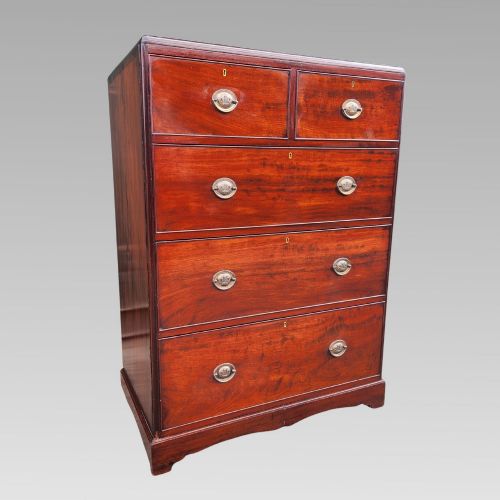
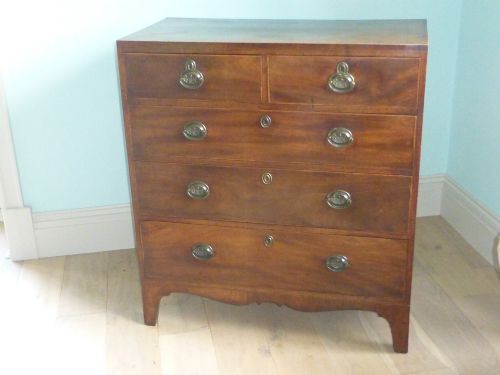
Makers and designers created both straight-fronted chests and dressing chests fitted with drawers or slides. The overarching style reflects the elegant aesthetic associated with the Georgian era.
Surviving examples range from eighteenth-century period pieces to later nineteenth-century revivals. Buyers encounter various interpretations of the design, from simple inlaid models to elaborate serpentine commodes.
How they were made
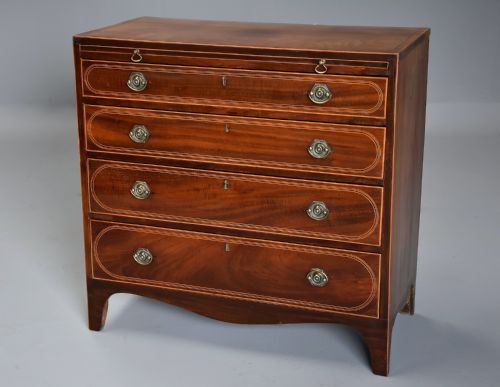
Cabinet makers utilised solid and figured mahogany for the primary structure. They often added contrasting boxwood, satinwood, and harewood inlay to accentuate the drawer fronts and borders.
Brass handles and escutcheons were fitted to the drawers as functional hardware. The construction relied on traditional joinery techniques suited to shaping curved serpentine and bow-fronted carcases.
Retail Price Guide 2026
Typical UK retail prices for hepplewhite chest of drawers, calculated from the Sellingantiques database of over a million retail prices indexed since 2003. This retail price guide relies exclusively on Sellingantiques data; no external sources or auction records are used, so the figures do not describe the wider market.
Some chests hide sliding shelves once used for folding linen before drawers became the primary storage method.
What varies in quality
The sophistication of the silhouette defines the upper tier of pieces, particularly the fluidity of a serpentine or bow front. Figured mahogany graining and intricate boxwood or satinwood inlay add depth that distinguishes finer examples.
Period execution from the eighteenth century carries greater historical distinction than later nineteenth-century revival interpretations. The crispness of the carving and the integration of secondary timbers indicate the maker's level of skill.
Druce & Co
The Hepplewhite Chest of Drawers Glossary
- Serpentine
- A front profile curving outward at the centre and inward at the sides, demanding high skill from the cabinet maker.
- Bow front
- A convex curved front that swells outward, popular in Georgian case furniture.
- Commode
- A decorative set of drawers or a chest, often applied to sophisticated eighteenth-century forms.
- Inlay
- Contrasting woods such as boxwood and satinwood inserted into the primary timber surface to create decorative patterns.
Frequently Asked Questions
How do I date a hepplewhite chest of drawers?
Dating relies on examining the timber construction, secondary woods, and handle hardware. Eighteenth-century pieces differ in internal construction methods from nineteenth-century revival versions.
Stylistic cues like serpentine shaping and inlay details also help place a piece within the Georgian period or later production eras.
Where should I place a hepplewhite chest in my home?
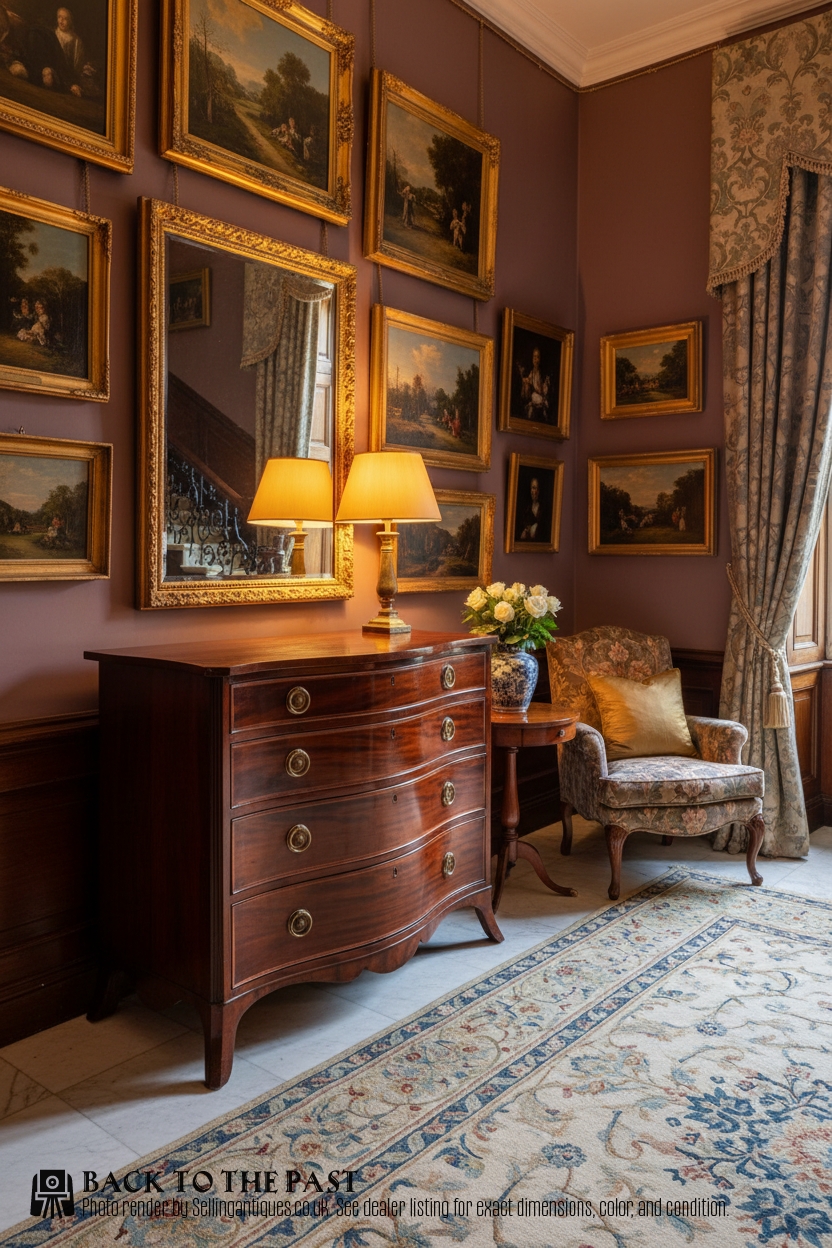
These chests function well in bedrooms, hallways, or living spaces as storage units and display surfaces. Their refined proportions allow them to sit comfortably against various wall lengths.
Pairing them with traditional or eclectic interiors lets the mahogany grain and brass hardware stand out.
Are all hepplewhite chests from the eighteenth century?
While the style originates in the eighteenth century, makers produced revival versions during the nineteenth century. These later pieces emulate the classical Georgian aesthetic using similar materials like mahogany and satinwood inlay.
Examining the internal drawer construction helps distinguish period originals from nineteenth-century interpretations.