

Heavy Link Watch Chain
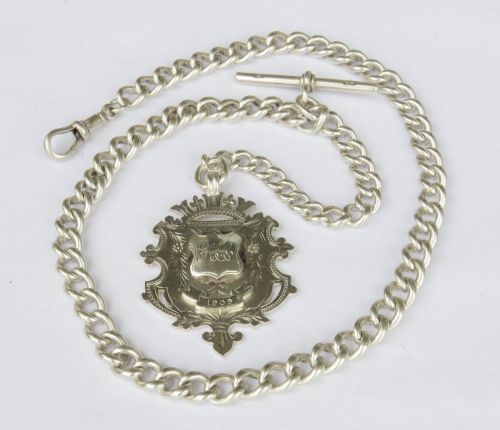
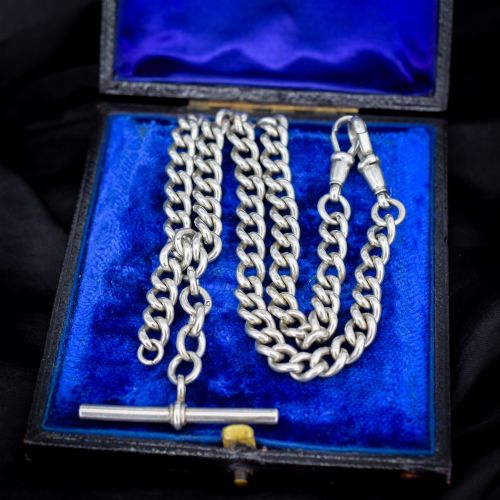
A heavy link watch chain is a robust piece of antique jewellery originally designed to secure a pocket watch, now worn as a substantial necklace or bracelet.
Heavy Link Watch Chain
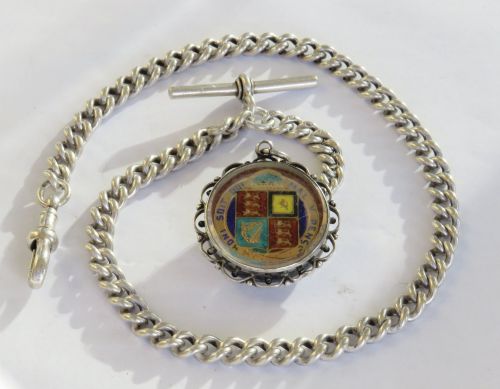
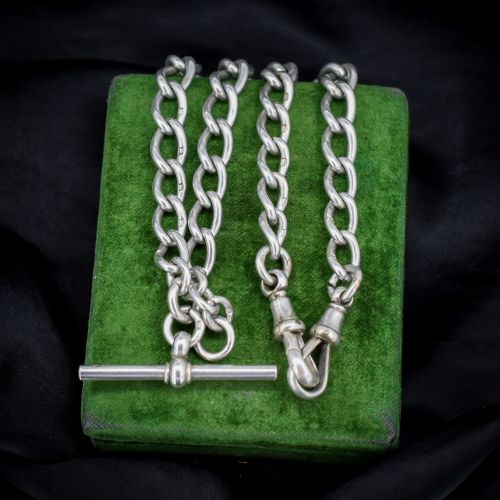
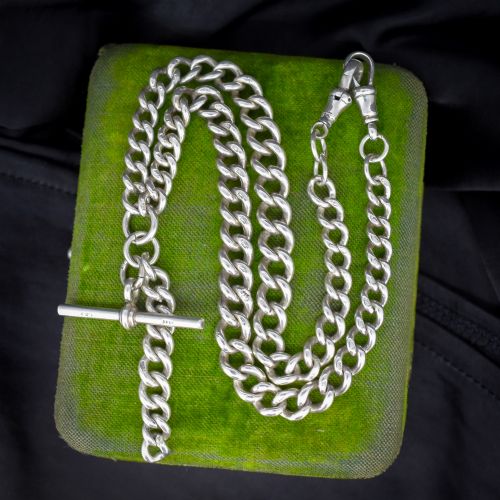
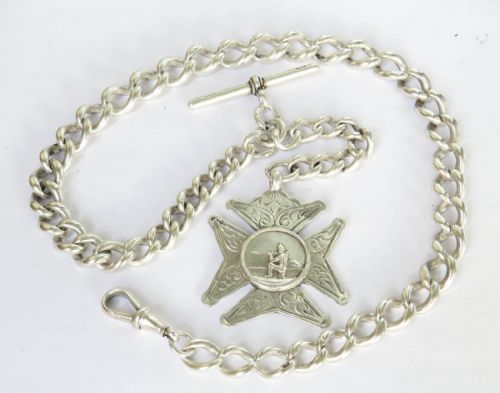
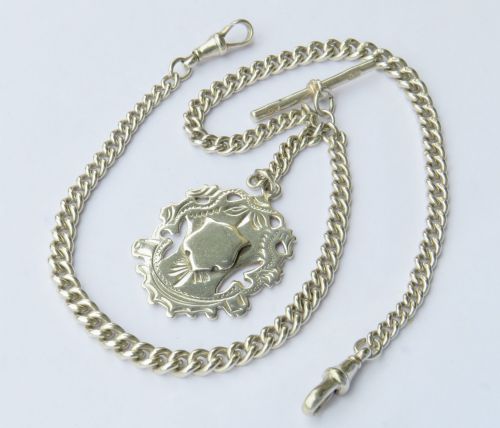
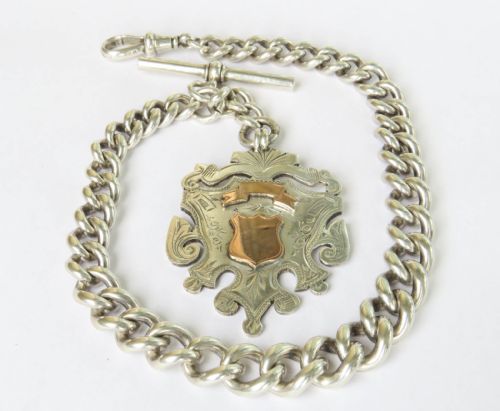
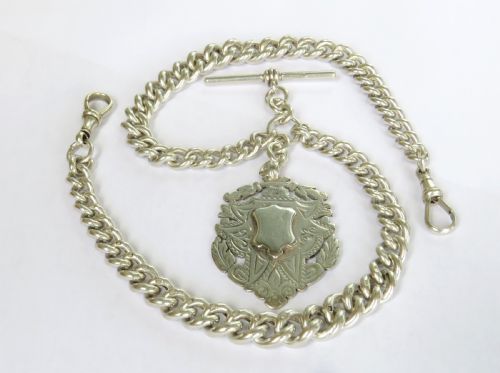
When you search for a heavy link watch chain, you encounter pieces originating primarily from the nineteenth and early twentieth centuries, including the Victorian and Edwardian eras. These items served a practical function for securing timepieces using attached T-bars and dog clips, but they survive today as versatile chains adapted for wear around the neck or wrist.
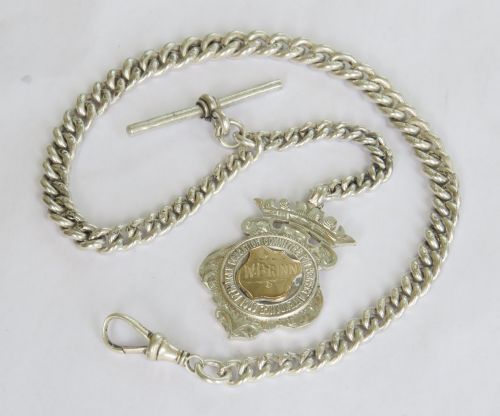
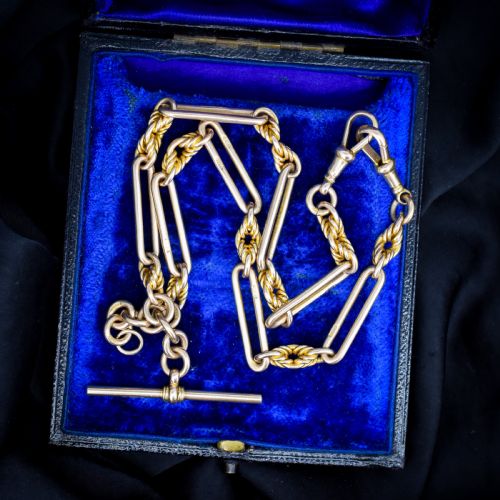
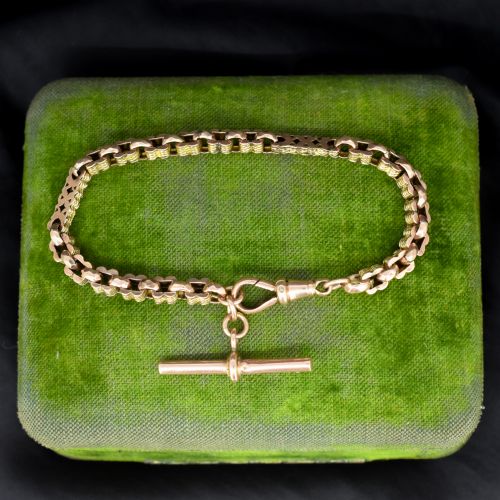
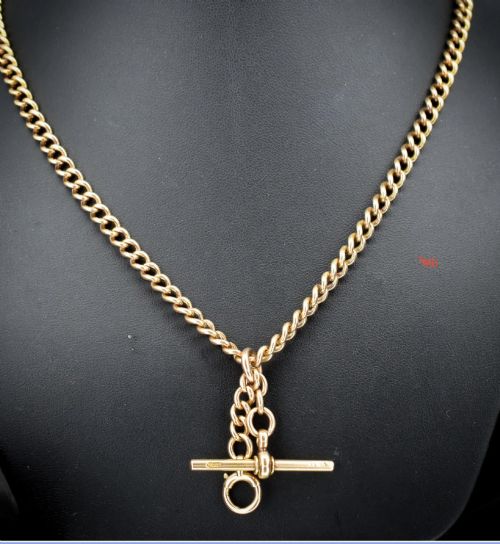
The most common examples on this page are sterling silver and gold albert chains, often featuring substantial curb links or trombone links combined with love knots. You also find variants incorporating seals, fobs, and double dog clips, spanning periods from the 1880s through to the 1920s.
How they were made
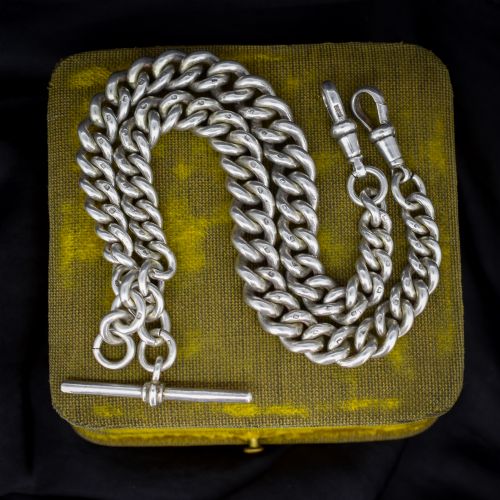
Makers constructed these pieces using sterling silver and various carats of gold, including nine carat rose gold, nine carat yellow gold, fifteen carat gold, and eighteen carat yellow gold. Substantial weight characterised the construction, with individual links often individually hallmarked or formed into heavy uniform and graduated patterns.
Craftsmen joined the links securely by hand, incorporating functional hardware such as swivel dog clips, bolt rings, and T-bars that required durable metalwork to withstand daily utility. Fancy links, trombone designs, and curb patterns were shaped meticulously to distribute weight evenly along the length of the chain.
Heavy Link Watch Chain Retail Price Guide 2026
Typical asking prices for heavy link watch chain among the pieces listed under this phrase on Sellingantiques today, from the lower quarter to the upper quarter. They describe what is for sale here now, not the wider market.
What varies in quality
The distinction between standard examples and the finest items rests in the integrity of the metalwork, the complexity of the link formation, and the presence of complete, clear hallmarking on every individual link. Chains that retain their original components - such as matching dog clips, seals, and T-bars - demonstrate superior completeness.
Weight and gauge also dictate distinction, as heavier gramages and dense, solid construction elevate a piece. The intricacy of fancy link patterns, whether trombone, love knot, or graduated curb, reflects the skill invested by the original maker.
The Heavy Link Watch Chain Glossary
- Albert chain
- A type of watch chain named after Prince Albert, designed to attach a pocket watch to a waistcoat or garment. These feature a T-bar at one end and a dog clip at the other.
- T-bar
- A small horizontal metal bar attached to the centre of a watch chain, used to secure the chain through a buttonhole. It remains a signature feature on many antique albert chains.
- Dog clip
- A spring-loaded swivel clasp attached to the end of a watch chain to fasten securely onto a pocket watch or fob. They allow the attached item to rotate without twisting the links.
- Trombone link
- An elongated rectangular metal link alternating with smaller circular or oval links, frequently seen in nineteenth-century watch chains. This pattern adds distinct visual rhythm to the piece.
- Graduated link
- Links that increase in size progressively from the ends towards the middle of the chain. This technique creates a balanced, tapered silhouette when worn.
Heavy Link Watch Chain: Frequently Asked Questions
How do I wear a pocket watch chain today?
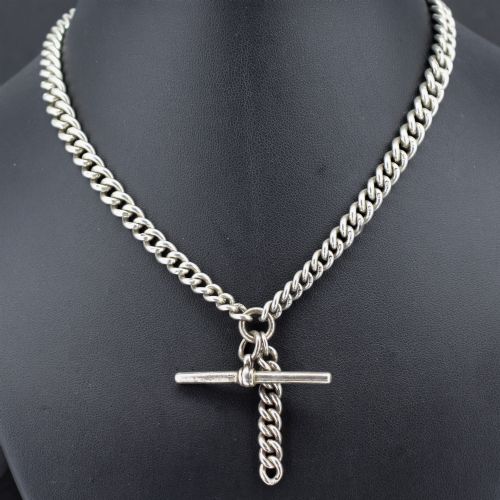
You can wear a pocket watch chain as a necklace or wrap it around the wrist as a multi-strand bracelet. Many collectors remove the T-bar or tuck it discreetly when styling them as modern neckwear.
Alternatively, you can attach the original dog clips together to alter the drop length and showcase the substantial links against clothing.
What is the difference between an albert chain and a standard chain?
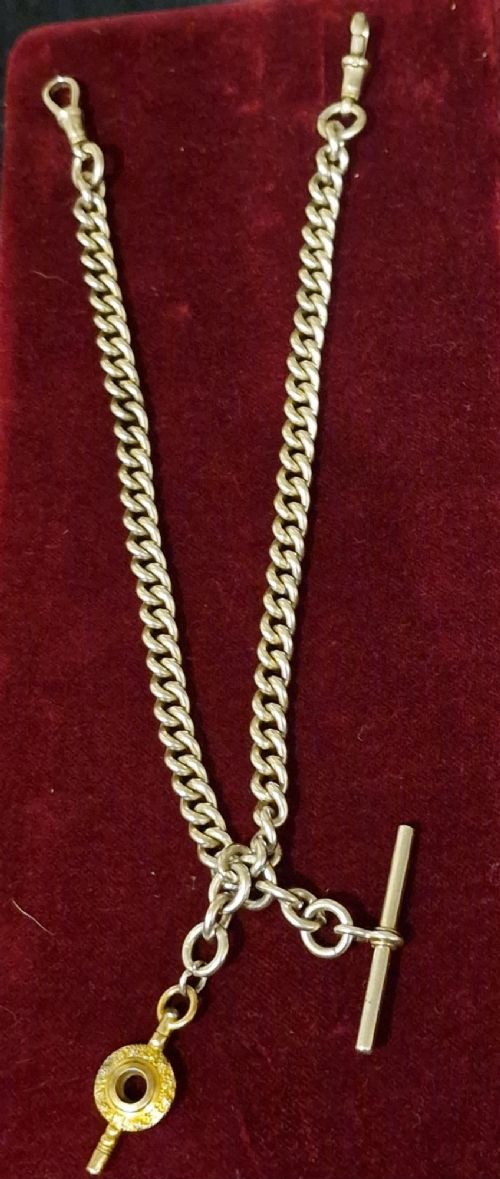
An albert chain specifically includes a T-bar and dog clips designed for securing a pocket watch to a garment. Standard chains lack these specific functional pocket watch fittings.
Double albert chains feature two distinct strands dropping from a central point, whereas single alberts consist of one continuous length.
How can I tell the period of a watch chain?
You determine the period by examining the hallmarks stamped onto the links, which indicate the assay office, metal purity, and date letter. Style indicators such as trombone links or love knots also point toward specific Victorian and Edwardian eras.
Heavier, highly graduated rose gold pieces frequently align with late nineteenth-century Victorian manufacturing, while lighter geometric forms often point towards the 1920s.
Were these chains made from solid gold?
Yes, antique watch chains were forged from solid precious metals including nine carat, fifteen carat, and eighteen carat gold, as well as sterling silver. Hallmarks on individual links verify the purity of the solid metal used.
Heavier specimens often record significant gram weights, reflecting the substantial quantities of solid gold or silver utilised by makers of the period.