



Heavy Lead Glass
Heavy lead glass objects combine substance and clarity, offering collectors functional vessels formed across the eighteenth, nineteenth, and twentieth centuries.
Heavy Lead Glass
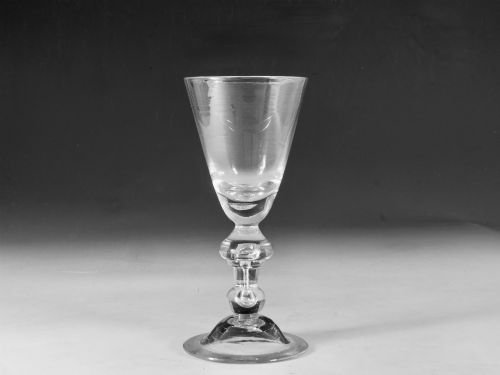
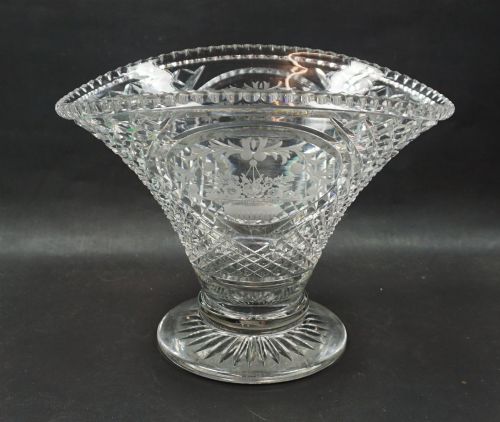
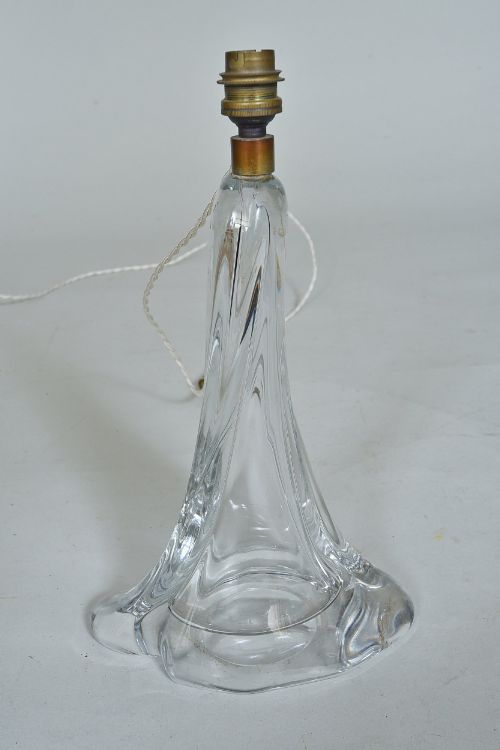
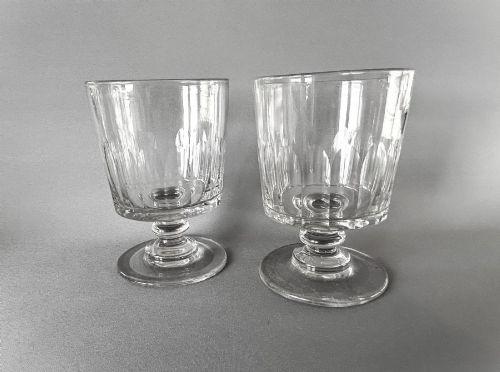
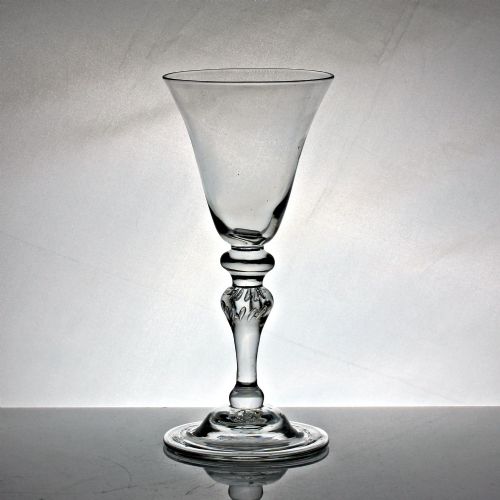
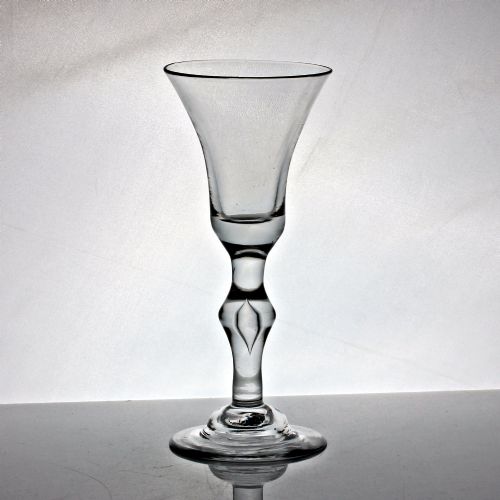
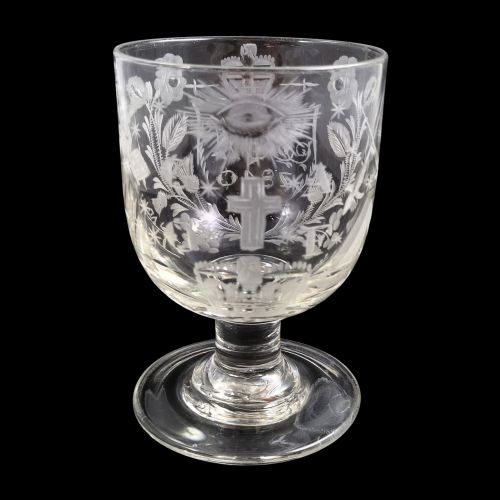
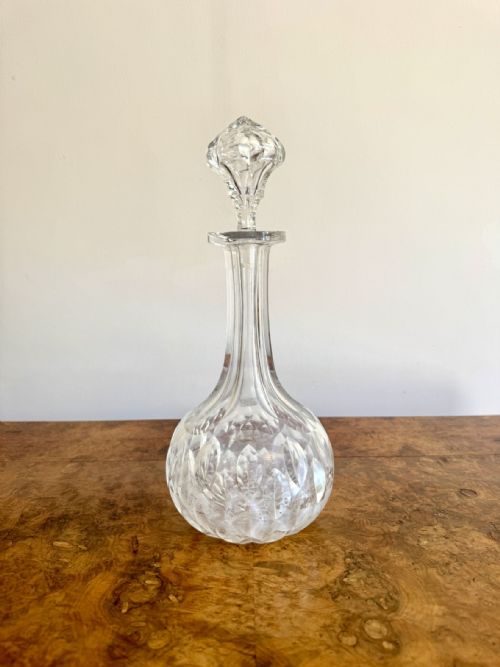
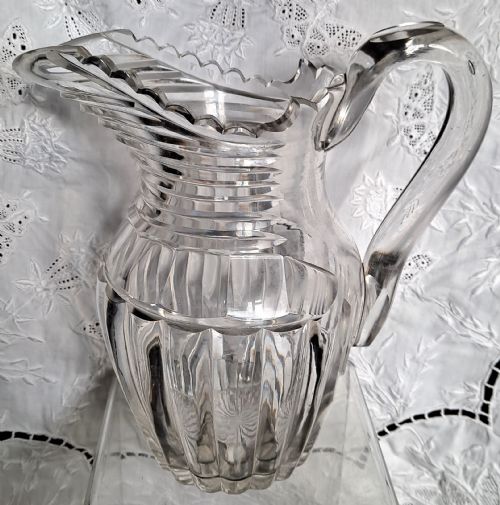
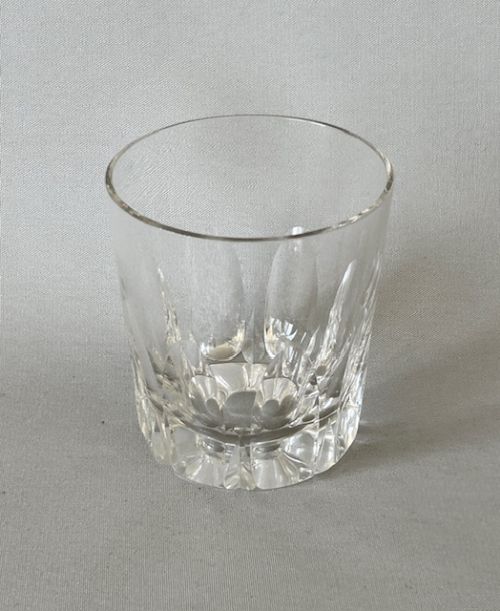
When you search for heavy lead glass, you encounter functional vessels and tableware spanning the Georgian, Victorian, Edwardian, and Art Deco periods. These items range from baluster wine glasses and rummers to decanters, water jugs, fruit bowls, and table lamps.
The pieces appearing most frequently on this page date from the Georgian era through the Edwardian period, alongside select twentieth-century items. Forms vary from simple baluster drinking glasses to deeply cut decanters and substantial champagne buckets.
How they were made
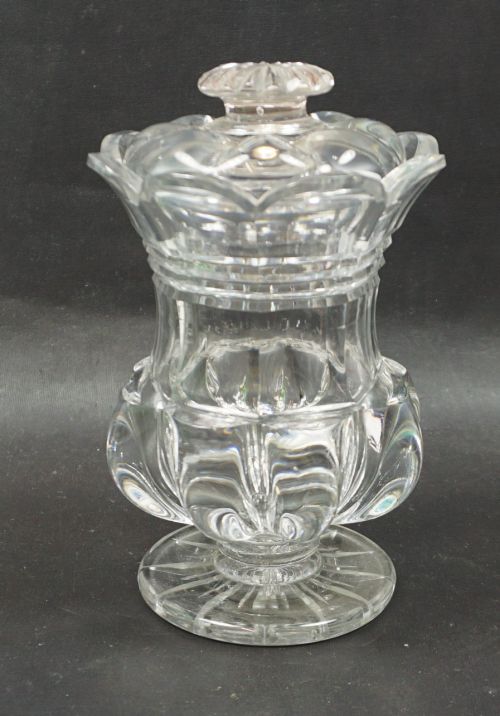
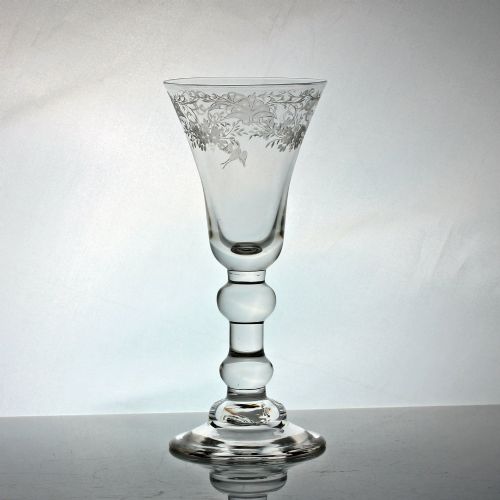
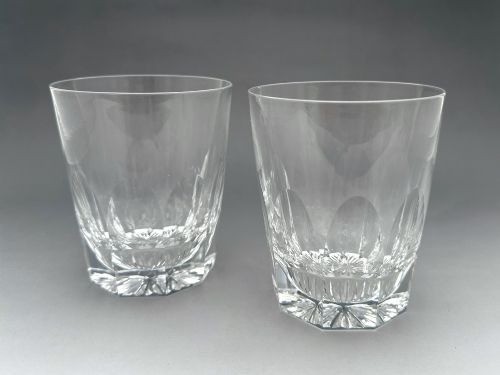
Maker operations utilised lead crystal and clear glass, shaping them through blowing, moulding, and extensive hand cutting. Many items feature deep facets, flutes, or engraved motifs executed while the metal was cold.
Certain vessels incorporate mixed media, pairing heavy lead crystal bodies with silverplate mounts or bases. The addition of air twists inside stems demonstrates specialised eighteenth-century glasshouse techniques.
Heavy Lead Glass Retail Price Guide 2026
Typical asking prices for heavy lead glass among the pieces listed under this phrase on Sellingantiques today, from the lower quarter to the upper quarter. They describe what is for sale here now, not the wider market.
Listings feature lead crystal items spanning from the early 18th Century through the Art Deco era, including decanters, rummers, and table lamps.
What varies in quality
The standard of a piece depends on the optical clarity of the metal and the crispness of the cutting. Superior items display deep, sharp facets that catch the light cleanly without blurring.
Proportion and weight also dictate worth, as seen in substantial baluster stems, heavy rummer bases, and thick-walled decanters. Pieces retaining sharp rim edges and unblemished surfaces represent the upper tier.
Charles Graffart for VSL
The Heavy Lead Glass Glossary
- Baluster
- A heavy, swelling stem form common in eighteenth-century wine glasses and goblets. This shape provides a reassuring weight in the hand.
- Rummer
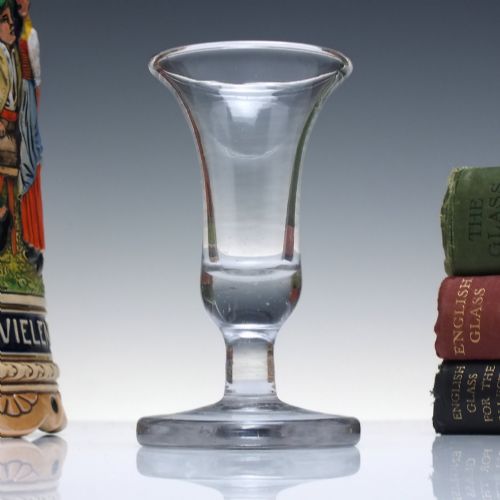
- A large, capacious drinking glass used for wine, ale, or punch. These vessels often feature sturdy feet and engraved decoration.
- Lemon squeezer base
- A square, moulded foot resembling a citrus juicer, typical of early nineteenth-century rummers and decanters. This style offers extra stability on the table.
- Air twist
- An optical effect inside a glass stem created by drawing out trapped air bubbles during manufacture. Multiple spiral air twists require exceptional glasshouse skill.
Heavy Lead Glass: Frequently Asked Questions
What is heavy lead glass?
Heavy lead glass refers to glassware containing lead oxide, which increases the weight, refractive index, and ringing tone of the material.
This composition allowed makers to produce deeper, sharper cuts and more substantial forms throughout the Georgian and Victorian periods.
How do I date heavy lead glass?
Dating relies on form, manufacturing marks, pontil scars, and cutting styles. Georgian baluster glasses differ significantly from Edwardian decanters or Art Deco cruet sets.
Examining the base and the wear patterns helps distinguish eighteenth-century pieces from nineteenth-century reproductions or later twentieth-century items.
How were these pieces used?
Many of these items served dining and entertaining functions, from decanting wine and serving water to holding fruit or champagne.
Larger vessels like rummers and water jugs were everyday table accessories, while baluster glasses accompanied formal meals.
How should I clean heavy lead glass?
Careful hand washing in lukewarm water with mild detergent preserves the surface and prevents thermal shock. Avoid abrasive sponges that might scratch the lead crystal.
Dry the pieces promptly with a lint-free cloth to maintain the clarity and brilliance of the cut facets.