



Heavy Gauge Copper Vessel
Heavy gauge copper vessel examples bring honest utility and robust metalwork into modern spaces through enduring Victorian and Georgian kitchenware.
Heavy Gauge Copper Vessel
A heavy gauge copper vessel covers utilitarian forms like pails, pans, cauldrons, and cream setting pans designed for kitchen, dairy, and hearth use. These items date from the Georgian and Victorian periods, reflecting practical domestic and agricultural work.
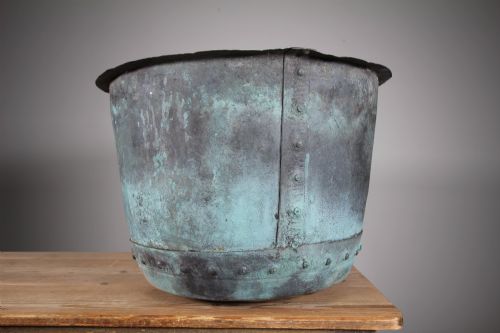
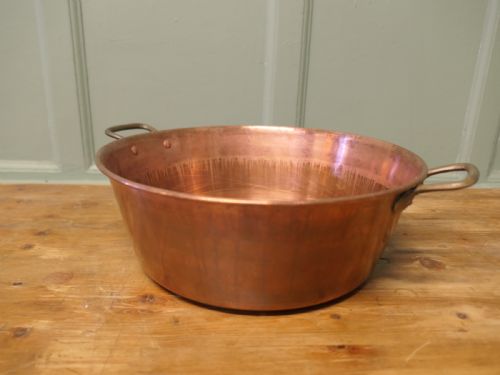
The most frequent examples on this page are large Victorian copper pans, riveted buckets, and jam pans originating from English and French workshops. Their substantial weight and durable construction served heavy domestic duties before retirement to decorative or functional roles.
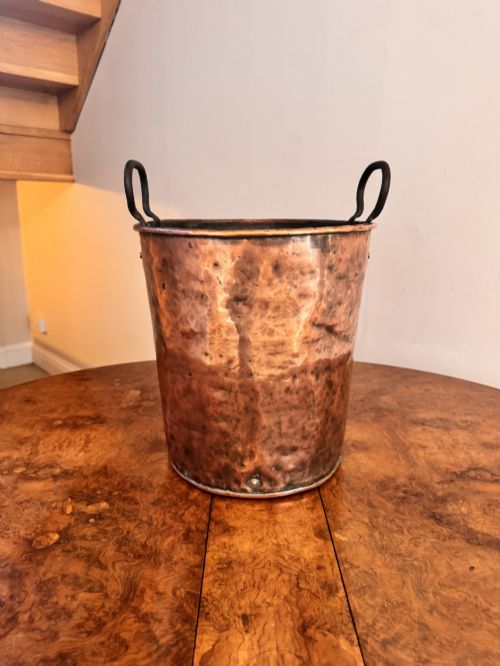
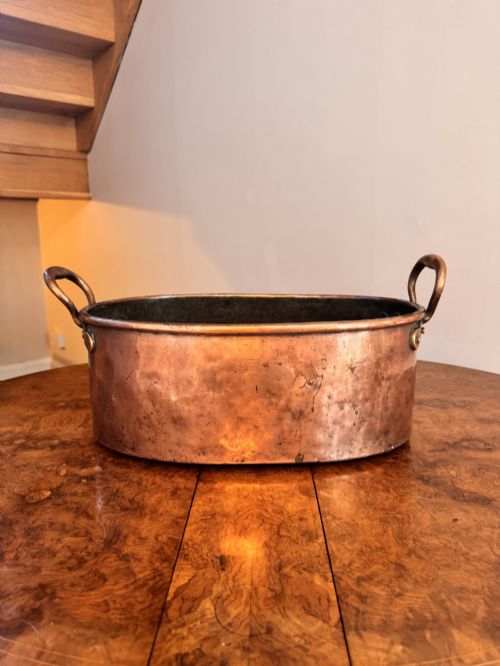
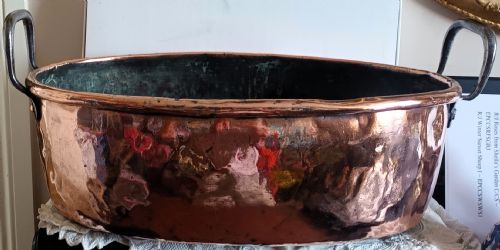
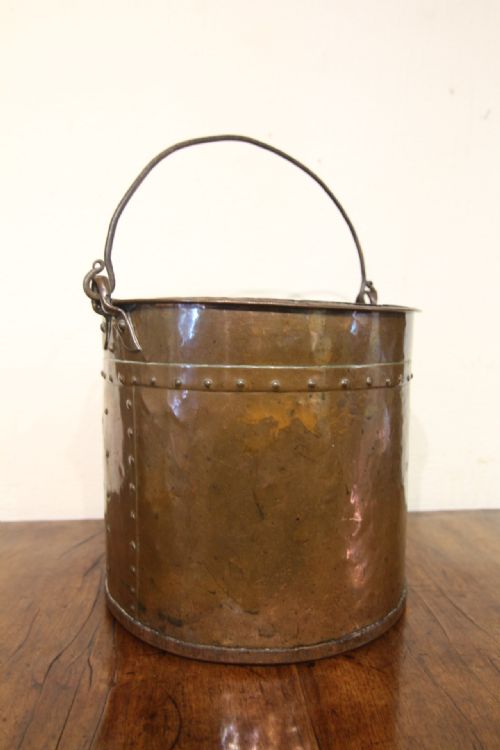
Forms vary from twin-handled preserving pans and coal buckets with wrought iron handles to specialised cream setting pans. Each object bears the marks of hard labour, shaped from thick metal sheets to withstand fire and frequent handling.
How they were made
Makers formed each heavy gauge copper vessel by hammering thick sheets of metal into deep hollow forms, often joining seams with visible copper or iron rivets. Wrought iron handles and brass fittings were securely attached to support the considerable weight of the contents.
The metal displays the directional hammer marks and textural variations inherent in nineteenth-century hand-beating techniques. Surface finishes result from decades of polishing and use, retaining the natural warm tones of the raw metal.
Heavy Gauge Copper Vessel Retail Price Guide 2026
Typical asking prices for heavy gauge copper vessel among the pieces listed under this phrase on Sellingantiques today, from the lower quarter to the upper quarter. They describe what is for sale here now, not the wider market.
Some heavy pans still retain faint soot stains from nineteenth-century hearth fires.
What varies in quality
Quality rests in the thickness of the metal plate and the integrity of the original riveted construction rather than surface brightness. Superior examples retain their structural gauge without excessive thinning from centuries of scouring.
The sophistication of the hand-beating and the quality of associated iron or brass hardware distinguish standard utility ware from finer pieces. Surviving handles, secure rivets, and well-proportioned pouring rims mark the upper tier of domestic metalwork.
The Heavy Gauge Copper Vessel Glossary
- Gauge
- The thickness of the metal sheet used to form the body of the vessel. Heavier gauges provide greater durability and resistance to warping under heat.
- Jam pan
- A wide, open preserving pan designed for boiling fruit and sugar. These vessels usually feature heavy flat bases and sturdy handles for lifting heavy loads.
- Cream setting pan
- A wide, shallow vessel used in dairies to allow cream to rise to the top of milk. They maximise surface area for efficient separation.
- Riveted
- A method of joining metal plates by inserting a metal pin through overlapping sections and hammering the end flat. This technique ensures strong, permanent seams on heavy utilitarian items.
Heavy Gauge Copper Vessel: Frequently Asked Questions
What were heavy gauge copper vessels used for?
These robust vessels served demanding tasks across domestic kitchens, dairies, and hearths. They boiled preserves, heated water, set cream, and held coal near the fireplace.
Their thick walls distributed heat evenly and withstood intense daily labour. Today, their utilitarian origins make them practical for modern storage or display.
How do I date a copper vessel?
Dating relies on observing construction methods, handle attachments, and stylistic markers recorded in nineteenth-century manufacturing. Rivet types and metal thickness offer reliable clues to whether a piece originates from the Georgian or Victorian era.
Makers changed their fabrication techniques over the decades, transitioning from hand-forged iron mounts to standardised fittings. Comparing these details with known period examples clarifies the timeline.
Are these vessels safe for cooking?
Many antique copper pans were originally lined with tin to prevent food from reacting with the copper. Over long periods of use, this lining often wore away or required renewal.
Using them for modern cooking depends on the interior condition and whether a food-safe lining remains intact. Many buyers prefer to appreciate them as decorative or dry-storage objects.
How do I clean antique copper?
Maintenance involves removing dust and grime with mild soap and warm water while preserving the underlying patina. Aggressive abrasive cleaners strip away the historical surface character accumulated over generations.
Some collectors prefer a bright, polished finish, while others favour a mellow, unpolished look. Gentle care ensures the metal survives without losing its tactile depth.