


Heavy Crystal Glass
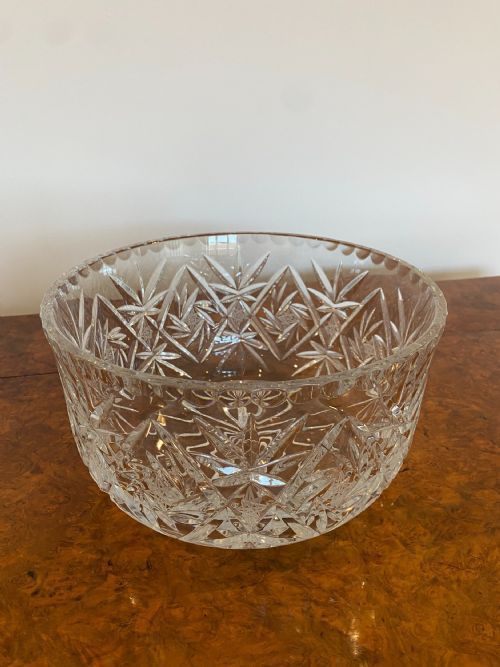
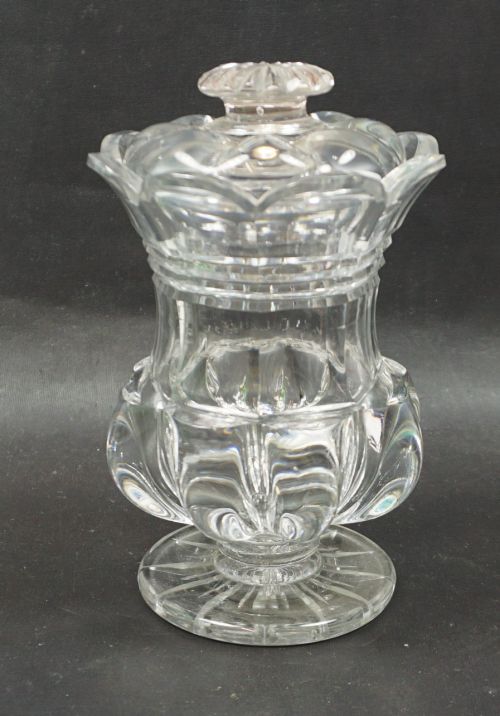
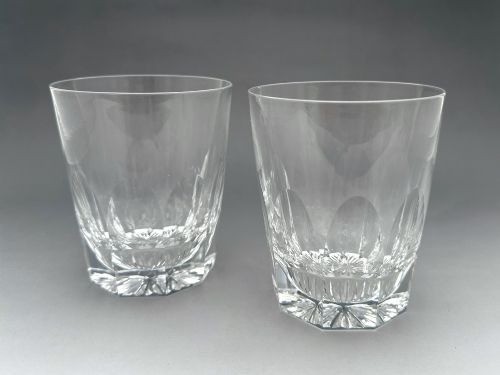
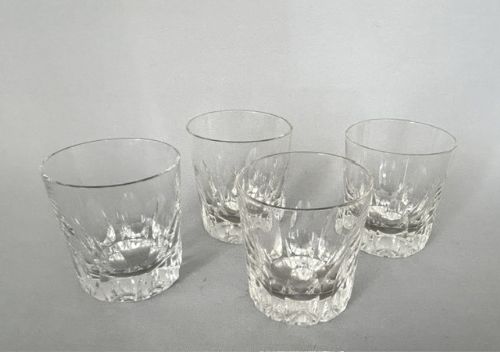
Heavy crystal glass comprises substantial vessels and objects formed from lead glass and cut crystal, valued for their refractive brilliance and tactile weight.
Heavy Crystal Glass
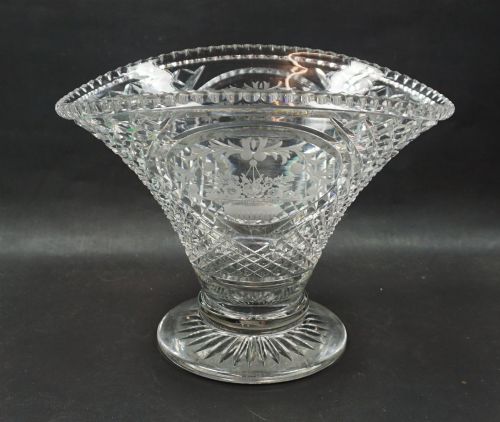
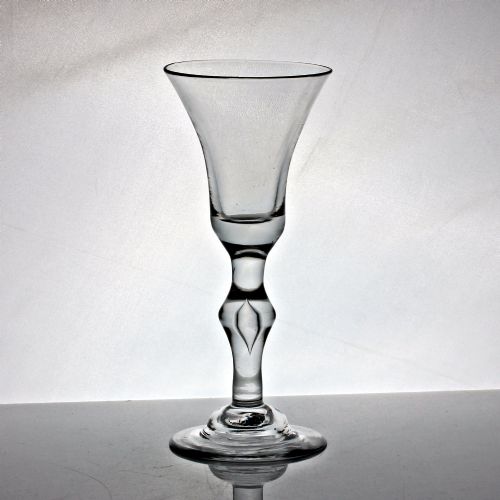
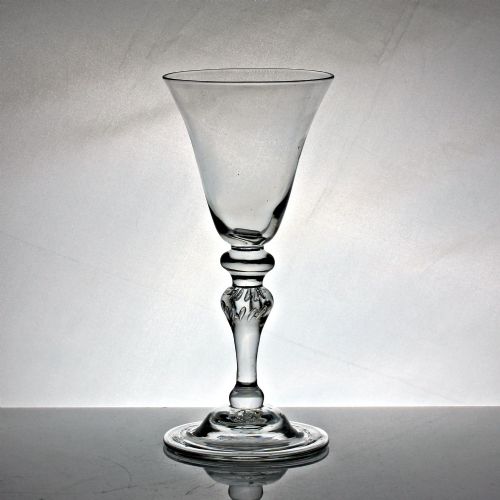
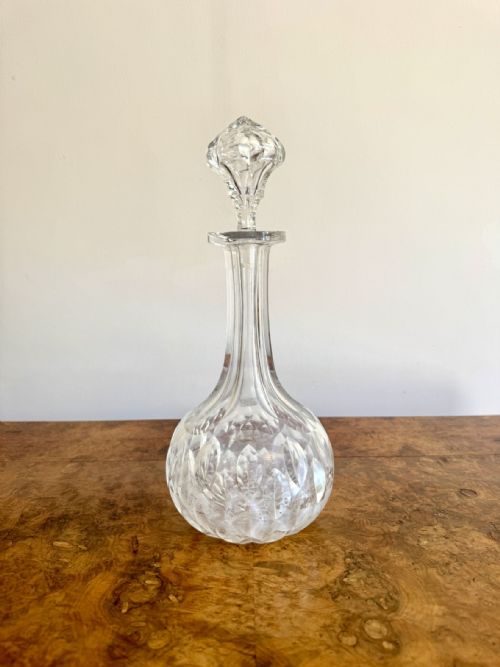
When you search for heavy crystal glass, you encounter functional drinking vessels and display pieces spanning several centuries, from early eighteenth-century baluster wine glasses to Edwardian cut glass decanters and twentieth-century Art Deco vases.
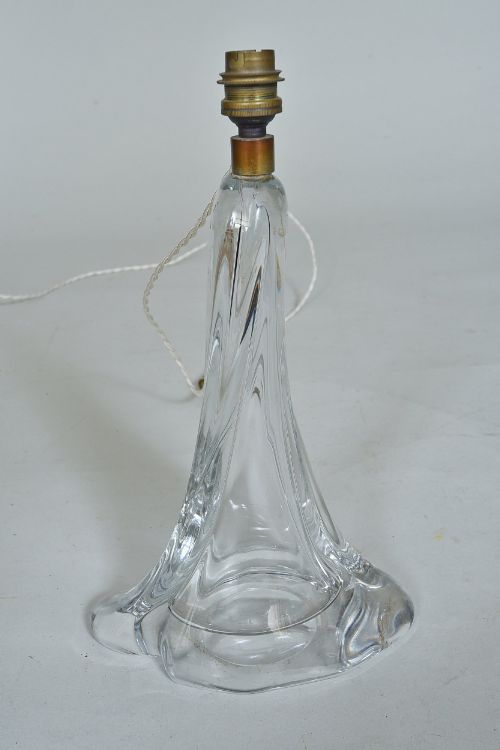
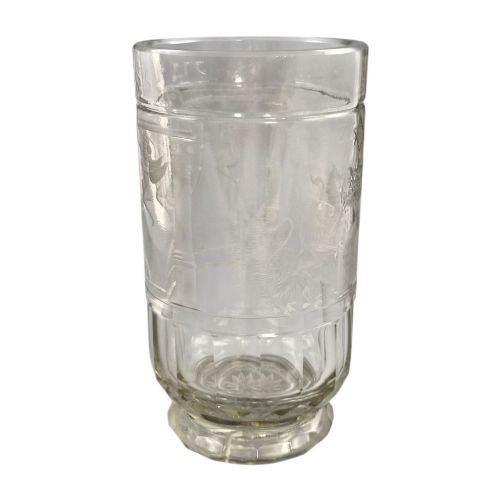
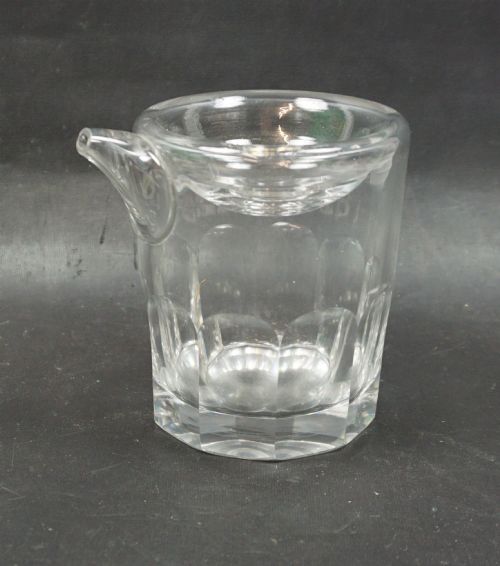
The selections on this page concentrate heavily on functional and decorative forms, notably decanters, whisky tumblers, jugs, inkwells, and table lamps originating from Georgian, Victorian, and later periods.
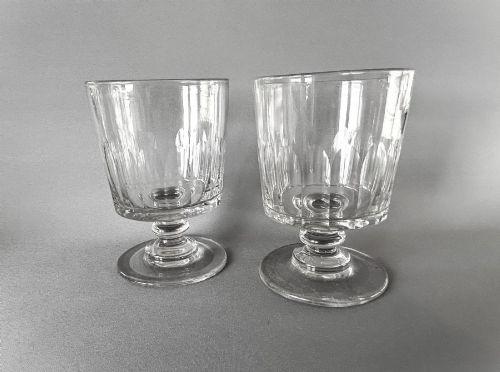
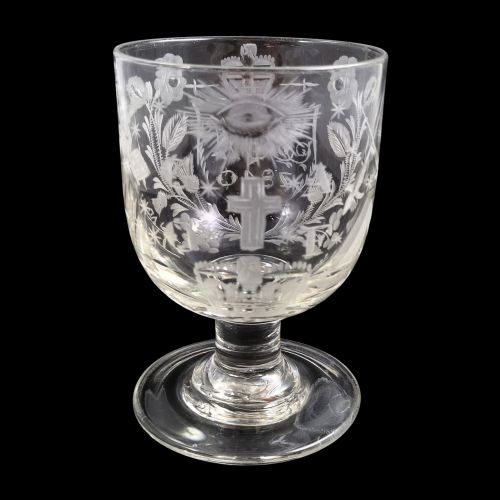
Buyers routinely find items ranging from simple lead-glass rummers and carafes to complex, signed modernist vases and silver-mounted inkwells produced across England, France, and Belgium.
How they were made
Maker operations relied heavily on lead glass formulations and crystal compositions, which allowed artisans to achieve exceptional clarity and structural density.
Hot-forming techniques such as hand-blowing shaped the foundational vessel, while subsequent cold-working involved wheel-cutting, deep etching, and polishing to create facets and decorative patterns.
Heavy Crystal Glass Retail Price Guide 2026
Typical asking prices for heavy crystal glass among the pieces listed under this phrase on Sellingantiques today, from the lower quarter to the upper quarter. They describe what is for sale here now, not the wider market.
Some nineteenth-century drinkers apparently needed massive glass beakers sturdy enough to double as small fortification walls.
What varies in quality
The caliber of these pieces depends upon the purity of the metal and the precision of the cutting, where crisp facets catch the light sharply and uneven surfaces indicate rushed finishing.
Proportion and weight distribution separate standard production items from superior examples, with exceptional pieces maintaining thick walls and balanced footprints without clumsy distortion.
Daum·Val St Lambert·Jean Luce·Tiffany and Co·Freeman and Son Ltd
The Heavy Crystal Glass Glossary
- Lead glass
- Glass containing lead oxide, which increases the weight, refractive index, and workability of the material. This composition is fundamental to the production of heavy crystal glass.
- Baluster stem
- A thick, turned stem resembling an architectural baluster, frequently seen on eighteenth-century wine glasses and goblets.
- Rummer
- A large, sturdy drinking glass used for wine, beer, or punch, typically featuring a short stem and a capacious bowl.
- Lemon squeezer base
- A square, moulded glass foot with indented corners, resembling a citrus juicer, commonly found on early nineteenth-century rummers.
- Air twist
- An optical effect created by drawing elongated air bubbles through the molten stem during fabrication to form spiral patterns.
Heavy Crystal Glass: Frequently Asked Questions
How do I identify a Georgian wine glass?
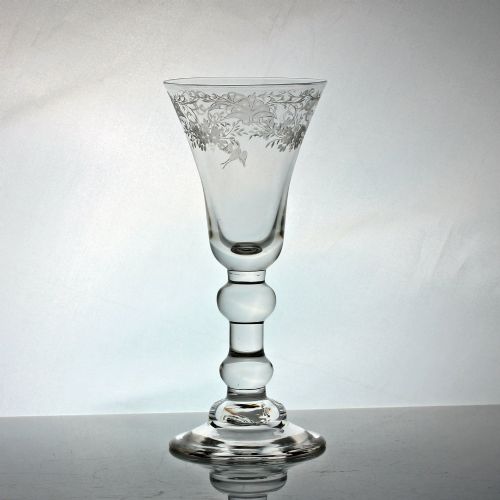
Georgian wine glasses usually exhibit heavy lead metal content, distinct baluster or air-twist stems, and kick-up or domed feet produced during the eighteenth century.
Examine the pontil mark on the underside and check the weight and resonance of the bowl to confirm the period characteristics.
Were heavy crystal decanters used daily?
Decanters served primarily to hold and pour wine at the dining table, protecting older vintages from sediment.
Their robust construction allowed for regular handling, washing, and transportation across dining rooms during the eighteenth and nineteenth centuries.
How should I clean antique cut crystal?
Wash crystal pieces by hand in warm water using mild detergent, avoiding sudden temperature changes that can crack the material.
Dry them immediately with a lint-free cloth to preserve the clarity of the cut facets without damaging the surface.
What defines an Art Deco crystal vase?
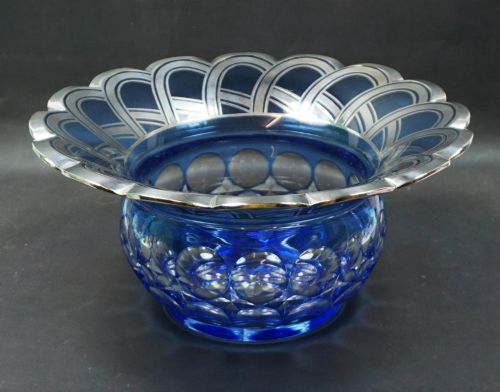
Art Deco crystal pieces feature geometric motifs, heavy lead crystal construction, and modernist etchings produced predominantly during the 1920s and 1930s.
Many examples incorporate signature factory marks or bear the names of prominent Belgian and French designers from the period.