




Heavy Copper Washing Vessel
These heavy copper washing vessels and large utility pots span the nineteenth century, offering robust metalwork and rich patination that suit modern rustic interiors.
Heavy Copper Washing Vessel
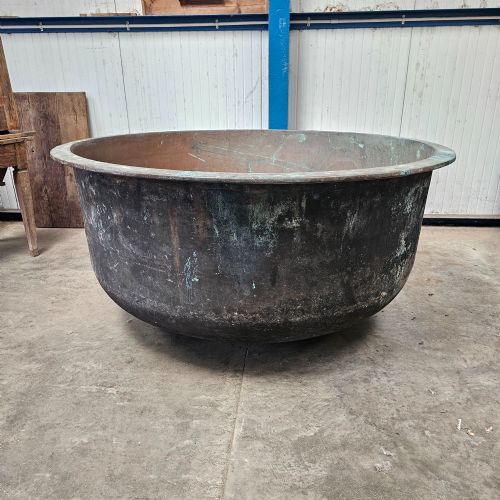
When you search for a heavy copper washing vessel, you encounter substantial utilitarian pieces fashioned for nineteenth-century domestic or agricultural labour. These items encompass heavy copper boilers, cheese vats, cauldrons, and cooking vessels originating from Victorian and Georgian periods.
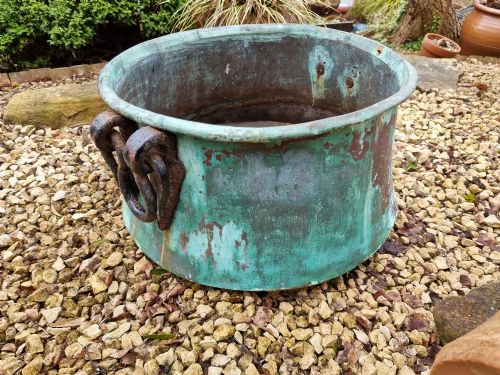
The pieces you meet most often on this page take the form of large pots, log bins, and garden planters. They transition easily from original working contexts into decorative interior containers.
Origins span English, Victorian, and French provincial workshops. Their utilitarian past leaves each piece with a distinct character shaped by heavy manual use.
How they were made
Metalsmiths constructed these vessels primarily from heavy sheet copper, hammering and joining the metal to withstand intense daily heat and moisture. Many incorporate visible riveted seams that secure the thick walls together.
Makers added structural strength using iron, brass, and wrought iron for handles, rims, and swing Bails. Some items integrate cast iron or tin components alongside the primary copper body.
Heavy Copper Washing Vessel Retail Price Guide 2026
Typical asking prices for heavy copper washing vessel among the pieces listed under this phrase on Sellingantiques today, from the lower quarter to the upper quarter. They describe what is for sale here now, not the wider market.
Some heavy grain measures carried numbered stamps like No6, turning mundane agricultural tallying into an unexpected collector detail.
What varies in quality
The weight of the copper gauge dictates the structural integrity and substance of each vessel. Thicker walls and robustly hammered seams signify higher grade utility ware built for demanding tasks.
Surface patination and the presence of original verdigris or iron attachments define the visual merit of a piece. Examples retaining authentic fixings and unpolished surfaces display superior historical depth.
The Heavy Copper Washing Vessel Glossary
- Verdigris
- A green patina formed naturally on copper through atmospheric oxidation over long periods. This surface layer provides an authentic aged appearance valued in decorative settings.
- Cauldron
- A large deep metal pot with a wide opening, traditionally hung over an open fire using a swing handle. These massive vessels were essential for bulk boiling and heating tasks.
- Boiler
- A heavy-duty container designed for heating large volumes of liquid, frequently fitted with robust riveted joints. They represent the heavier industrial end of nineteenth-century domestic metalwork.
- Patina
- The surface texture and coloration developed through age, use, and exposure to the elements. Original patina records the working life of the metal without modern intervention.
- Swing Handle
- A flexible arched metal handle attached to opposite sides of a vessel to allow lifting. These handles are typically forged from wrought iron or heavy iron.
Heavy Copper Washing Vessel: Frequently Asked Questions
What were these copper vessels used for?
Nineteenth-century households utilised these large copper containers for heavy chores such as boiling laundry, heating water, and bulk cooking. Agricultural settings also employed them for cheese making and grain storage.
Over time, many of these utilitarian containers transitioned from active service into domestic storage and display roles. Today, their robust construction makes them popular for holding logs or serving as large planters.
How do I clean a heavy copper vessel?
Most collectors prefer to leave the original patinated surface and verdigris undisturbed, as excessive polishing removes historical character. Light dusting and gentle wiping with a dry or slightly damp cloth are sufficient for general maintenance.
If you choose to polish the exterior, use a dedicated copper cleaner and apply it sparingly. Avoid harsh abrasives that might damage the underlying hand-hammered metal.
Are these copper pots waterproof?
Many of these historical vessels were constructed to hold liquids securely for boiling and washing tasks. However, age, previous repairs, or dried seams can affect their watertight integrity.
If you plan to use a vessel as an indoor plant pot, test it for leaks first or place a protective liner inside. This precaution protects wooden floors and furniture from moisture.
How can I tell the age of a copper pot?
Dating relies on examining construction methods, particularly the presence of hand-beating marks and heavy riveted seams rather than modern machine welding. The specific style of iron handles and rim construction also offers clues to nineteenth-century and Georgian manufacturing traditions.
While exact production years are rarely stamped on utilitarian wares, stylistic markers and materials align them with Victorian and Georgian periods.