



19th Century Copper Wash Boiler
These heavy 19th century copper wash boiler pieces bring genuine utility and deep metallic warmth to modern gardens and hearths.
19th Century Copper Wash Boiler
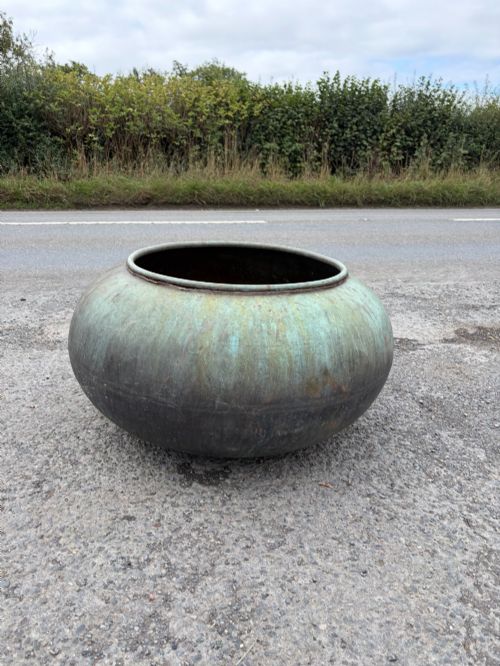
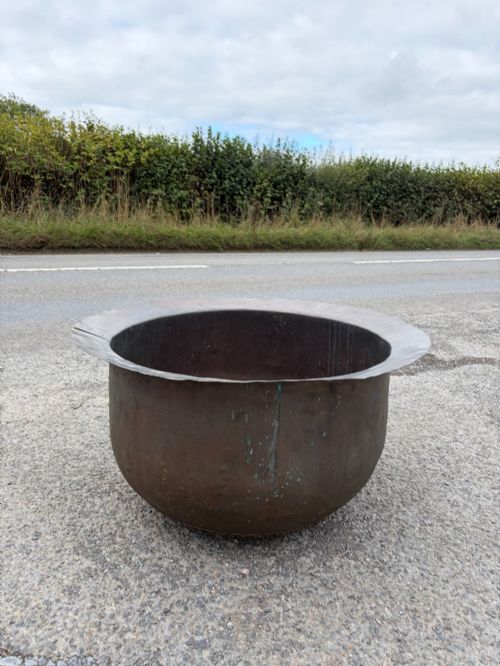
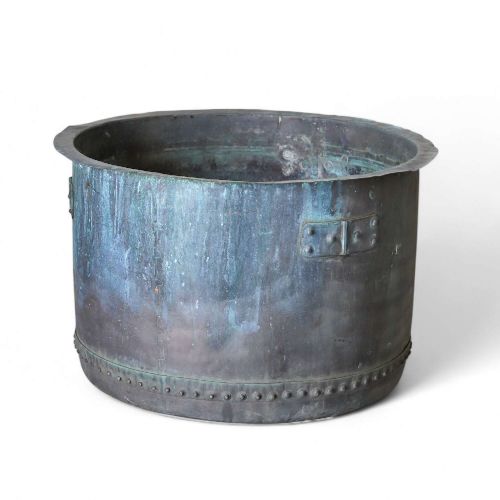
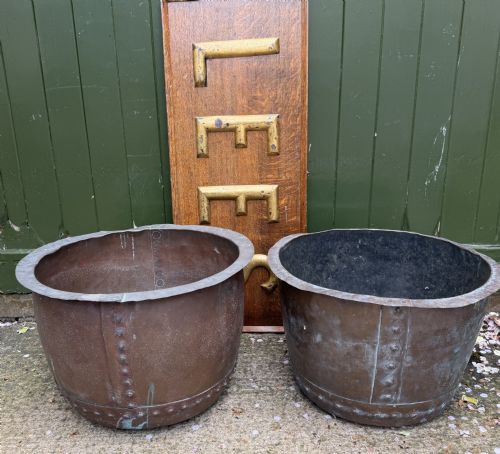
A 19th century copper wash boiler is a heavy domestic vessel originally designed for heating laundry over a fire. Today, buyers use these sturdy items primarily as planters, pots, log buckets, and log bins for the home or garden.
The pieces appearing on this page span the 19th century, including Victorian examples and items dating specifically around 1850. They arrive in various large forms, encompassing cooking pots, cauldrons, and troughs.
Most examples show substantial scale, often described as large or extra-large vessels suited to holding firewood or large garden plants. Their origins bridge utilitarian domestic use and rustic country aesthetics.
Materials and construction
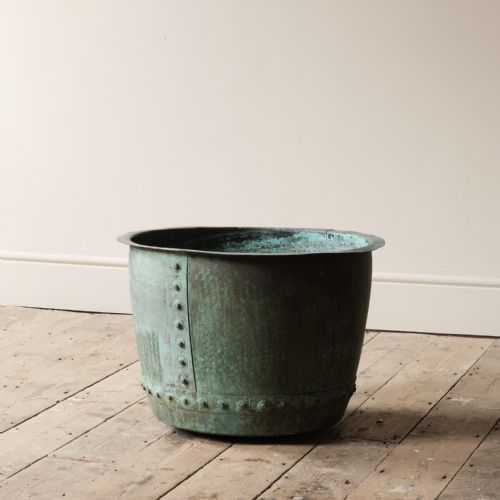
Construction relies heavily on hammered copper sheets joined with hand-riveted seams. These metal plates form the deep cylindrical or cauldron bodies characteristic of the period.
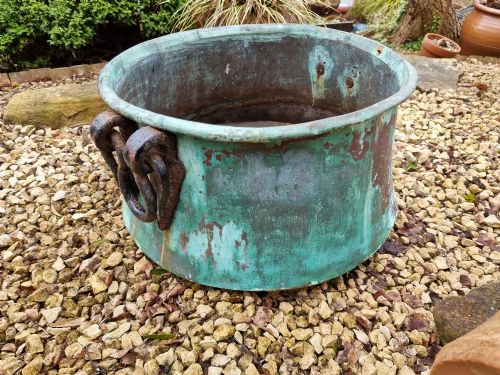
Attachments often include wrought iron swing handles and iron fittings designed to bear the weight of heavy contents. The combination of copper and iron reflects the robust utilitarian standards of Victorian industrial making.
19th Century Copper Wash Boiler Retail Price Guide 2026
Typical asking prices for 19th century copper wash boiler among the pieces listed under this phrase on Sellingantiques today, from the lower quarter to the upper quarter. They describe what is for sale here now, not the wider market.
Current listings feature copper and wrought iron materials spanning the 19th century, Victorian, and Georgian styles.
Assessing quality and character
Quality rests in the integrity of the hand-riveted joints and the thickness of the original copper sheet. Vessels that retain structural stability alongside their heavy metal walls represent the better end of the survival range.
Surface finish significantly dictates appeal, with natural patinas and authentic verdigris surface accumulation showing age without compromising the metal. The presence of original wrought iron handles further distinguishes a stronger example.
The 19th Century Copper Wash Boiler Glossary
- Verdigris
- A green patina formed naturally on copper through atmospheric weathering over long periods. This surface layer is prized for its decorative appearance.
- Patina
- The surface sheen and colour acquired by copper through age, handling, and environmental exposure. Good patina indicates untouched historical surfaces.
- Riveted
- Joined together using metal bolts hammered flat to secure overlapping sheets of copper. This method ensured watertight and pressure-resistant seams.
- Cauldron
- A large metal pot with a wide mouth, usually featuring a swing handle for suspension or carrying. These vessels were built for heavy-duty heating tasks.
19th Century Copper Wash Boiler: Frequently Asked Questions
How were these boilers used originally?
These vessels were filled with water and heated over a fire to boil clothes during the laundry process. Their large capacity allowed households to manage substantial loads of linens at once.
Over time, as modern plumbing arrived, these heavy copper containers found retirement in gardens and country interiors as storage vessels and planters.
Can I use these outdoors?
Yes, copper and iron withstand outdoor elements well, developing a stable verdigris finish when exposed to weather. They are frequently used as garden planters and log bins.
Ensure proper drainage if planting directly inside the metal vessel to protect the historic base from prolonged standing water.
How heavy are these vessels?
These pieces are constructed from thick metal sheets and often include iron handles, making them substantial in weight. Their heavy build reflects their original industrial and domestic purpose.
When positioning a large copper pot or log bin indoors, account for its empty weight before adding logs or soil.