


Heavy Cast Iron Stop
A heavy cast iron stop anchors a door with absolute authority, bringing substantial weight and striking sculptural form to an interior.
Heavy Cast Iron Stop
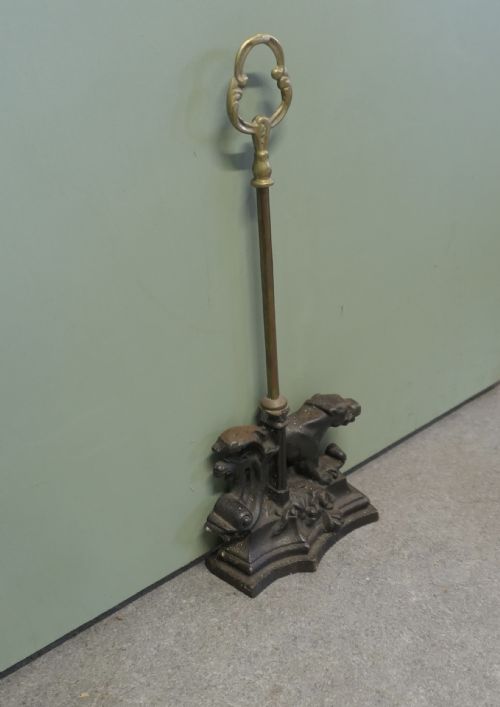
A heavy cast iron stop primarily takes the form of a door stop or door porter, designed to hold heavy interior doors securely in place. Buyers seeking these functional items encounter pieces originating predominantly from the Victorian period, alongside earlier Regency and Georgian examples.
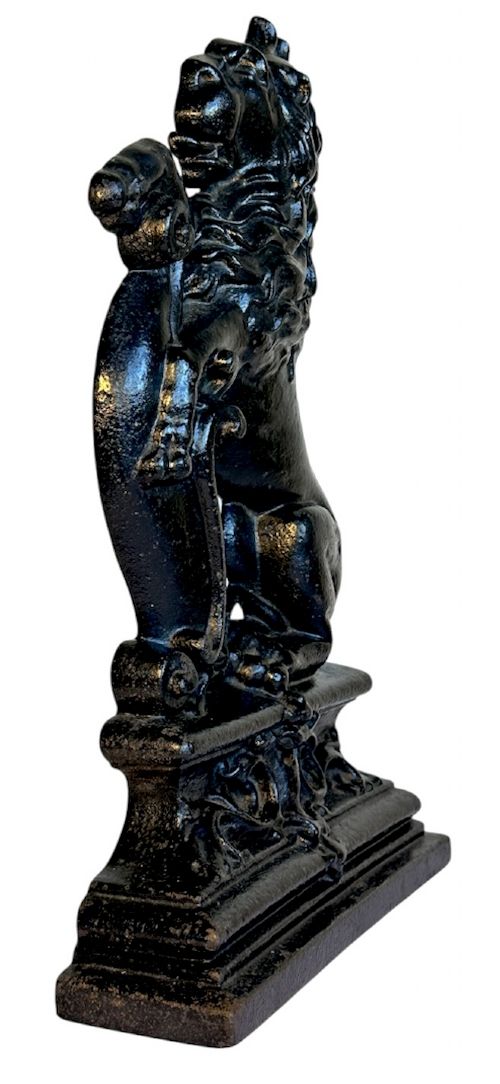
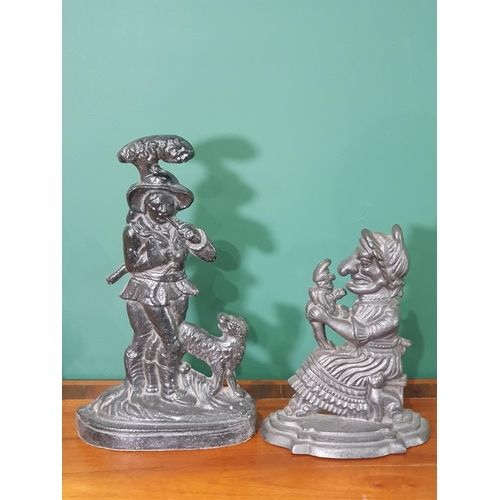
The inventory on this page showcases a rich variety of figurative and decorative forms, ranging from rampant lions and domestic dogs such as spaniels and border collies to characterful figures like Mr Punch and Lord Nelson. Animal studies and heraldic motifs dominate the selection, frequently appearing as single heavy castings or matching pairs.
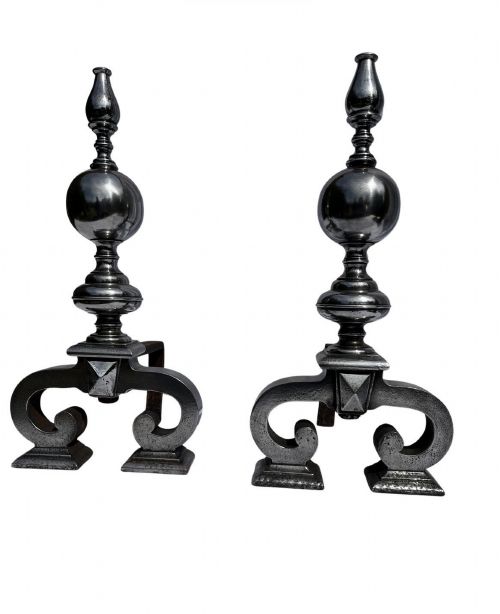
Alongside conventional door stops, the selection occasionally extends to related utilitarian and decorative ironwork such as fire dogs and boot scrapers. These diverse objects share the characteristic heft and robust metallic construction expected from robust 19th-century foundry production.
Materials and casting methods
The primary material underpinning these pieces is durable cast iron, poured into moulds to create intricate figurative details and substantial mass. Many examples retain traces of their original painted surfaces, while others feature polished iron, steel elements, or supplementary brass details.
Foundries of the 19th century utilised traditional sand-casting techniques, which imparted distinct surface textures and tactile weight to each sculptural form. Additional structural elements occasionally incorporate wood or auxiliary metals to complete the object.
Listings feature Victorian, Regency, and Edwardian periods, utilising cast iron, paint, brass, polished iron, steel, and wood.
Evaluating quality and craftsmanship
Surface preservation significantly influences the character of a piece, particularly where original polychrome paint survives intact beneath subsequent layers of wear. The density of the iron itself and the balance of the casting ensure the object performs its utilitarian function effectively.
The Heavy Cast Iron Stop Glossary
- Door porter
- A traditional alternative term for a heavy door stop designed to be easily carried from room to room. These portable weights secure tall interior doors against draughts.
- Cast iron
- An iron-carbon alloy poured into moulds to create rigid, heavy objects. This material provides the necessary mass required to hold open heavy doors.
- Polished iron
- Metal finished to a smooth, bright sheen rather than painted. This treatment highlights the raw texture of the underlying foundry work.
- Egyptian Revival
- A 19th-century stylistic movement incorporating ancient motifs such as sphinxes and pharaonic symbols. Pieces in this style often display formal classical symmetry.
- Recumbent
- A sculptural term describing a figure lying down or reclining. Recumbent lions are frequently cast in pairs to flank a hearth or doorway.
Heavy Cast Iron Stop: Frequently Asked Questions
How much do these door stops weigh?
These items possess considerable mass due to their solid metal construction, providing the necessary heft to hold open heavy interior doors.
Specific weights vary depending on the physical size and figurative form of each individual casting.
Are these door stops painted?
Many examples retain remnants of original paint or later applied decorative finishes that highlight their figurative details. Other pieces showcase plain or polished iron surfaces.
Surfaces often display natural patination accrued over decades of domestic use.
How do I care for cast iron?
Maintenance involves keeping the metal dry and occasionally applying a light protective wax to prevent surface oxidation. Avoid using harsh chemical cleaners that might strip historic painted finishes.
Gentle dusting preserves the integrity of both the iron and any remaining decorative pigment.
What periods do these pieces come from?
The selection spans the 19th century, with a strong representation of Victorian production alongside Regency and Edwardian examples.
Stylistic markers such as Egyptian Revival motifs help situate specific pieces within broader design movements.