

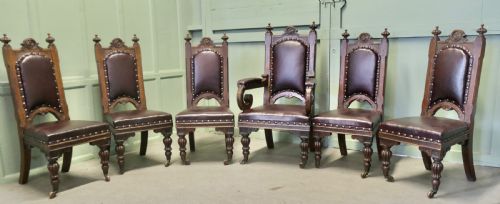
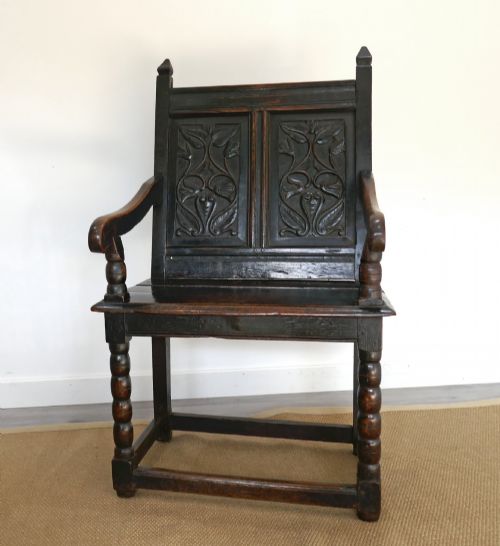


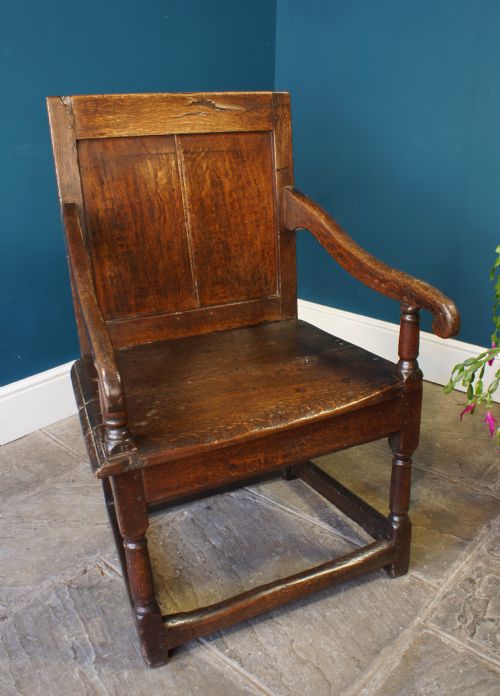


Heavy Carved Oak Seat
These heavy carved oak seat designs span centuries of sturdy joinery, offering robust character and rich texture for any period interior.
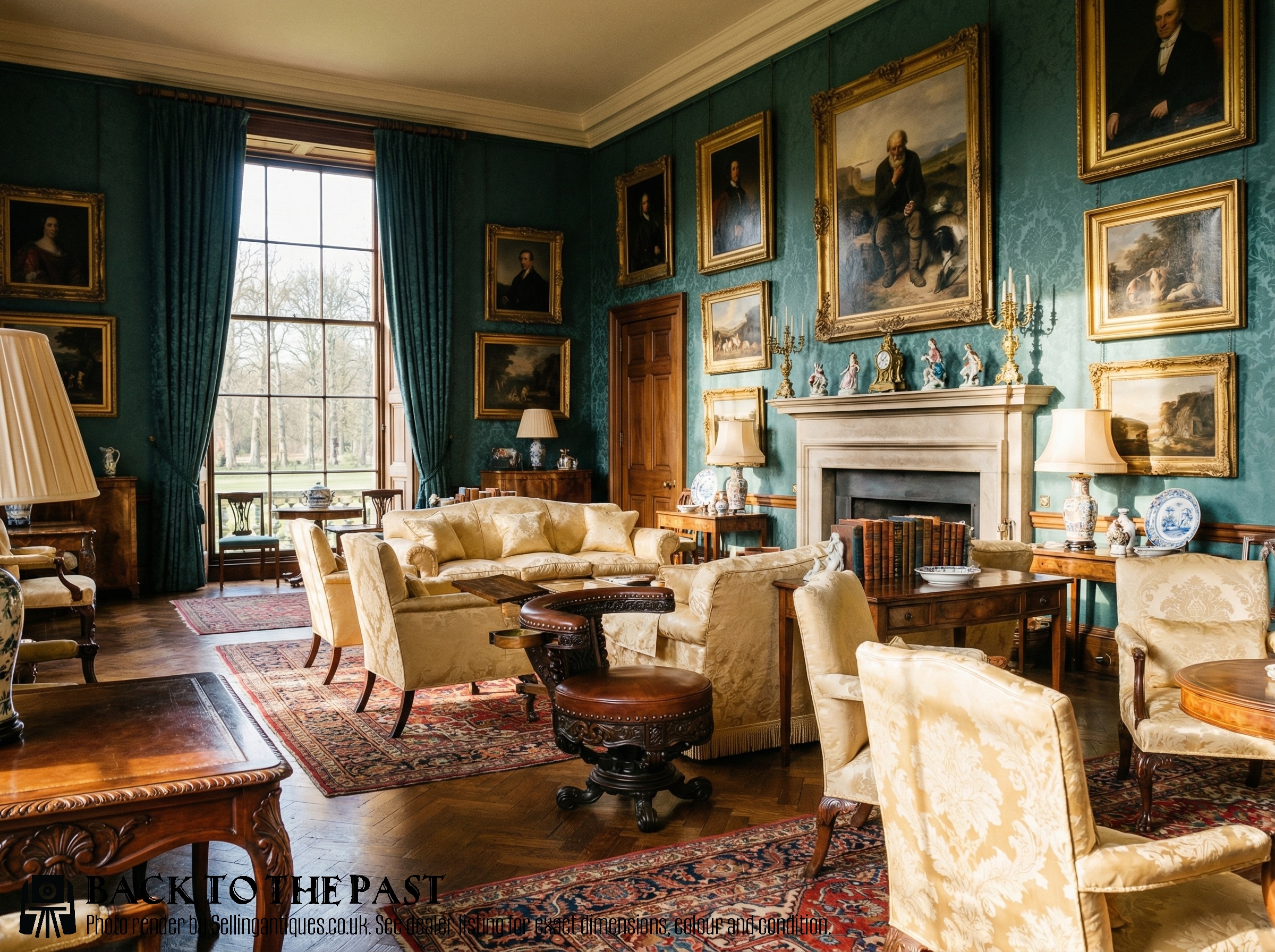
Heavy Carved Oak Seat
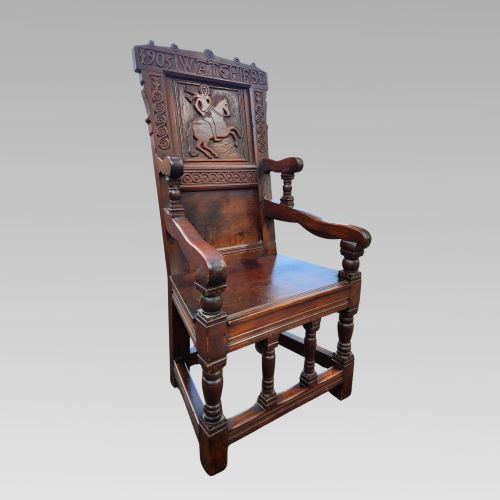
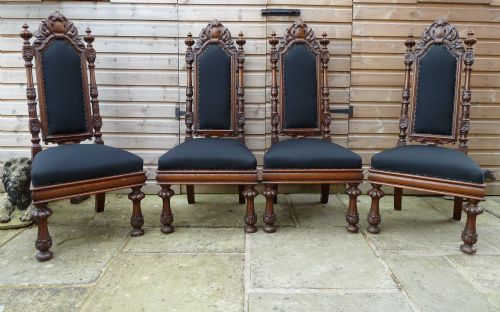
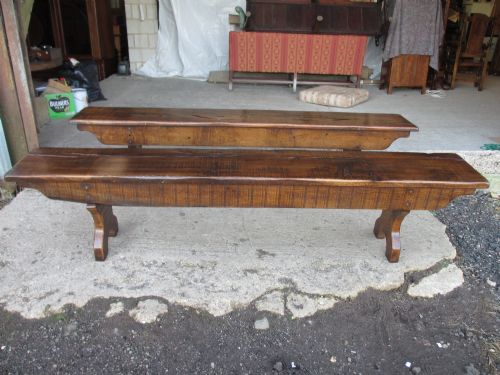
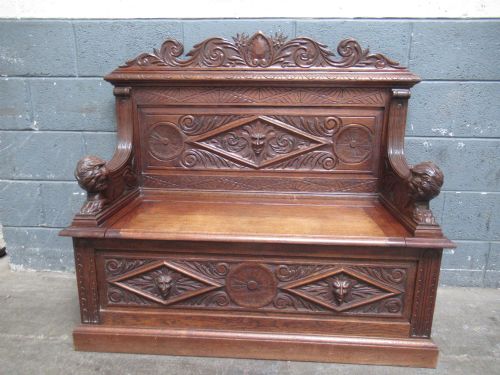
A heavy carved oak seat encompasses robust furniture forms ranging from substantial Victorian dining chairs to early English wainscot pieces and Edwardian benches. Buyers searching this phrase typically encounter sturdy armchairs, high-back dining sets, settles, and hall benches built to endure generations of use.
The selection bridges several eras, drawing heavily upon Victorian Gothic Revival aesthetics, Jacobean influences, and seventeenth-century English traditions. Pieces often display deep chisel work, shaped trestle ends, or substantial framework suited to entrance halls, libraries, and principal rooms.
Materials and construction
English oak serves as the primary timber, selected for its dense grain and durability, frequently augmented by supplementary elements of leather, brass, iron, fabric, or velvet upholstery. Joinery relies on traditional methods designed to support heavy timber frames and elaborate surface ornamentation.
Carving technique varies from crisp architectural motifs to figurative reliefs depicting hounds and foliage. Surfaces demonstrate the natural warmth of timber alongside patination developed through age and handling.
Heavy Carved Oak Seat Retail Price Guide 2026
Typical asking prices for heavy carved oak seat among the pieces listed under this phrase on Sellingantiques today, from the lower quarter to the upper quarter. They describe what is for sale here now, not the wider market.
Listings feature oak, leather, brass, and velvet across periods spanning the seventeenth century through to Edwardian and 1920s designs.
Distinctions in craftsmanship
Quality rests upon the depth and execution of the carving, where crisply defined relief work and balanced proportions distinguish superior examples from simpler production. The choice of timber grain and the integrity of the original joints further elevate a piece.
Subtleties in historical provenance, such as documented dates or regional stylistic traits like those found on Lancashire or Cheshire wainscot chairs, separate standard vernacular items from exceptional survivals.
The Heavy Carved Oak Seat Glossary
- Wainscot chair
- A solid wooden armchair dating from the seventeenth century or earlier, characterised by panelled backs and heavy turned supports. These pieces represent some of the earliest seating forms found in domestic interiors.
- Gothic Revival
- An architectural and decorative style popular during the nineteenth century that reintroduced medieval pointed arches, tracery, and severe vertical lines. Furniture in this taste often incorporates elaborate ecclesiastical carving.
- Settle
- A wooden bench featuring a high back, solid arms, and frequently a box base or enclosed lower section to block drafts. They served communal seating functions in halls and large rooms.
- Trestle
- A structural support consisting of a horizontal beam fixed to two splayed vertical feet. This arrangement provides stability for long benches and heavy tables.
- Elbow chair
- A traditional term for an armchair, particularly one with open wooden arms designed for domestic comfort or library use.
Heavy Carved Oak Seat: Frequently Asked Questions
How do I care for heavy oak furniture?
Maintain the timber by applying traditional beeswax periodically to preserve the natural moisture and finish of the wood. Keep pieces away from direct heat sources and strong sunlight to prevent timber shrinkage.
Dust regularly with a soft, dry cloth and avoid harsh chemical cleaners that strip the historic patination accumulated over decades or centuries.
Where should I place a heavy carved oak seat?
These substantial pieces anchor large hallways, libraries, or dining rooms where their weight and architectural presence balance high ceilings and stone or wooden flooring. They function well as statement seating or functional corridor furniture.
Ensure the floor structure can support the considerable weight of dense oak timber, particularly for larger settles, thrones, and multiple dining chairs.
How can I tell a seventeenth-century chair from a later revival?
Examine the construction marks, tool traces, and timber shrinkage patterns, as seventeenth-century joinery exhibits hand-split boards and pegged mortise and tenon joints without modern machine precision. Revival pieces from the Victorian era often use softer machinery cuts and replicate earlier styles with different patination.
Review the overall wear patterns and structural assembly, since authentic early pieces show distinct signs of centuries of use that differ from nineteenth-century interpretations.
What is a wainscot chair?
A wainscot chair is a heavy, solid oak armchair featuring panelled construction, sturdy armrests, and turned legs linked by stretchers. They originated when oak panelling was common in substantial English homes.
These chairs offer a commanding silhouette and represent a pivotal development in domestic seating before upholstered armchairs became widespread.