





Heavy Carved Gold Frame
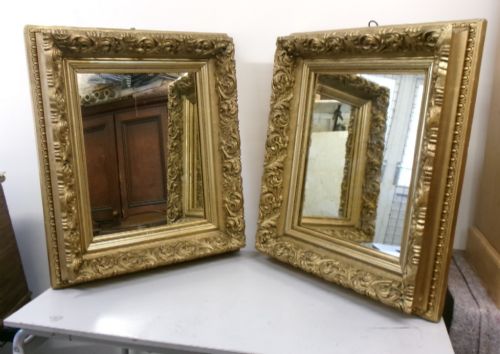
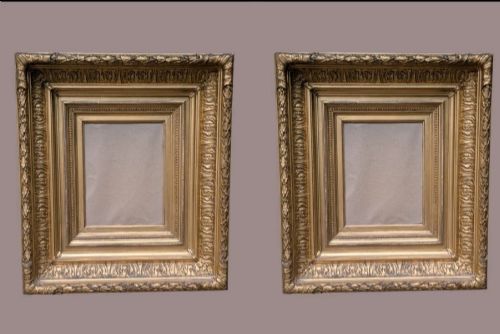
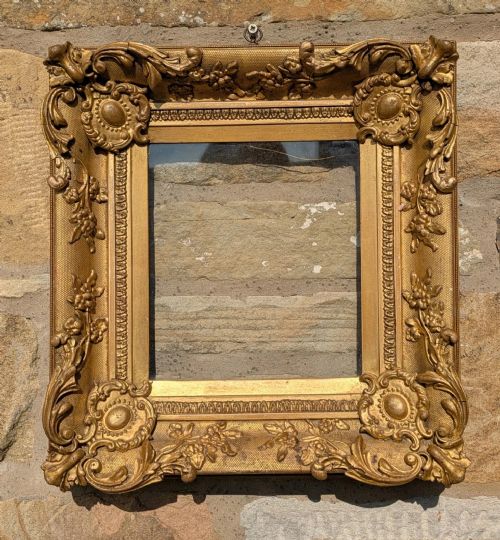
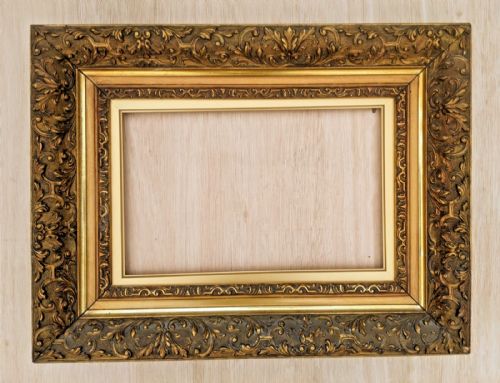
A heavy carved gold frame carries presence on a wall, housing paintings or mirrors with substantial giltwood and gesso mouldings.
Heavy Carved Gold Frame
When searching for a heavy carved gold frame, a buyer encounters substantial wall mirrors and picture frames designed to anchor a room. These pieces emerge primarily from the nineteenth century, including Victorian manifestations, alongside earlier Baroque and seventeenth-century works.
The selection on this page centres on large formats, deep profiles, and overmantle mirrors suited for prominent domestic spaces. Pier glass mirrors and landscape or portrait oil painting frames dominate the forms available.
Makers and artisans of the periods applied elaborate ornamentation to create commanding focal points. The visual weight derives from deep wooden construction augmented by generous surface decoration.
How they were made
Craftsmen built the core structures from solid wood before applying layers of gesso to build up relief details. Carvers then worked the surface to create intricate motifs before gilding.
Gold leaf or liquid gilt finishes were applied over the prepared gesso and wooden substrates to achieve the characteristic metallic sheen. Sand moulded gesso techniques also appear, adding textured contrast to smooth gilt sections.
Some nineteenth-century makers incorporated sand into wet gesso layers to give borders a glittering texture that catches candle or daylight.
What varies in quality
Depth of carving and sharpness of detail separate standard framing from exceptional examples. Superior pieces display crisply rendered ornament where the carver's hand remains evident in the undulations of the wood and gesso.
The integrity of the original gilding and the weight of the underlying wooden carcass dictate the overall grade. Substantial timber framing prevents warping and supports the heavy glass or canvas securely.
The Heavy Carved Gold Frame Glossary
- Giltwood
- Wood that has been coated with gold leaf or a gold-coloured finish. This material forms the primary visual and structural surface of these frames.
- Gesso
- A plaster-like mixture applied to wood surfaces and carved or moulded into relief designs before gilding. It provides the smooth or textured base for the gold leaf.
- Pier glass
- A tall mirror designed to fit on the wall space between windows. These pieces often feature heavy frames and substantial proportions.
- Overmantle mirror
- A large mirror intended to hang specifically above a fireplace mantel. They typically span considerable widths to match the scale of the hearth.
- Rococo Revival
- A nineteenth-century style drawing on eighteenth-century rococo forms with asymmetrical scrolls, shell motifs, and exuberant curves.
Heavy Carved Gold Frame: Frequently Asked Questions
How do I hang a heavy gilt frame?
Due to the substantial weight of solid wood and gesso construction, these pieces require secure wall anchors fixed directly into masonry or sturdy studwork. Professional mirror hangers or heavy-duty strap brackets ensure the frame remains stable.
Position the frame at eye level or above a mantelpiece where the architectural weight balances the room's proportions.
Can I use these frames for modern art?
Pairing a nineteenth-century or Baroque-style frame with contemporary canvases creates a striking contrast between ornate craftsmanship and modern minimalism. The depth of the moulding accommodates stretched canvases effectively.
Ensure the interior rebate dimensions match the thickness of the new painting before mounting.
How do I clean antique gilt surfaces?
Dust the carved details gently with a soft, dry brush to prevent accumulation in the recesses of the gesso. Avoid water, modern chemical sprays, and abrasive cloths that can strip the delicate gold leaf.
Professional conservation is recommended for deep cleaning if the surface has darkened significantly over the centuries.
What is the difference between an overmantle and a pier glass?
Overmantle mirrors are constructed to sit horizontally above fireplaces, commanding wide spaces with landscape orientations. Pier glasses are taller vertical mirrors traditionally placed on narrow wall sections between windows.
Both utilise heavy carved gold frames to reflect light and amplify the sense of space within a room.