


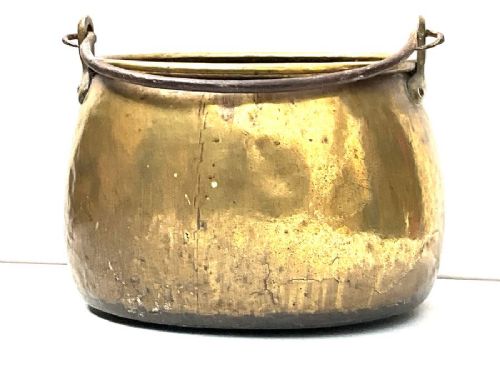


Heavy Brass Vessel
When you search for a heavy brass vessel, you find substantial metal containers shaped for ritual, kitchen, or display across centuries.
Heavy Brass Vessel
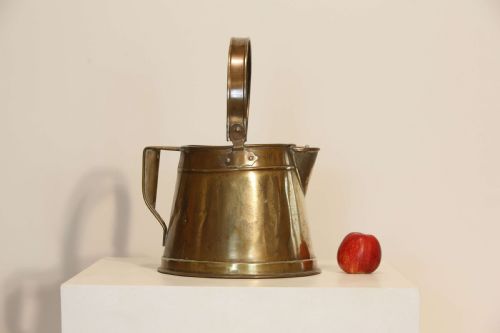
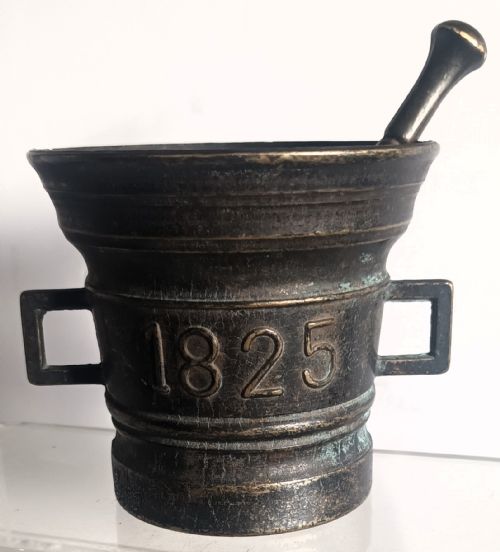
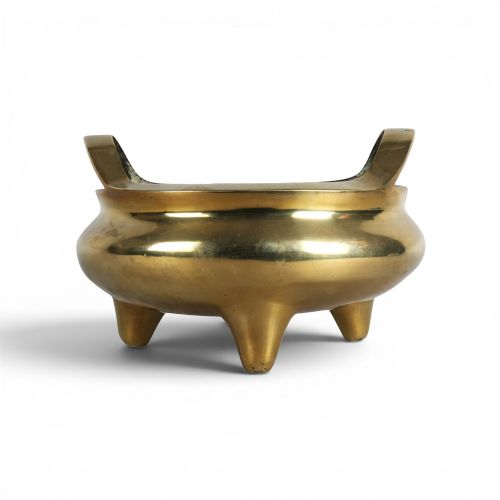
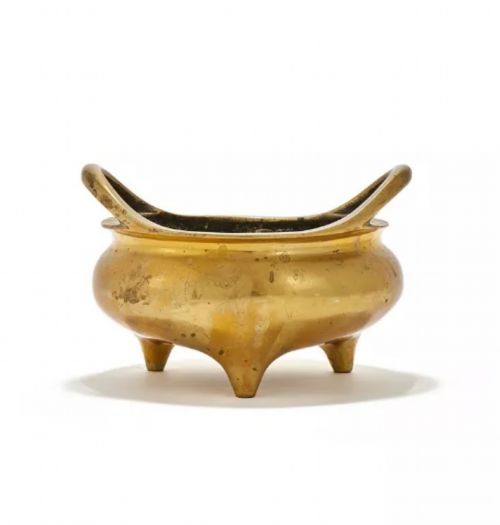
A heavy brass vessel serves practical and decorative roles, encompassing utilitarian cookware, ritual items, and domestic containers. Buyers searching for a heavy brass vessel encounter diverse forms spanning utilitarian pans, mortars, and decorative censers.
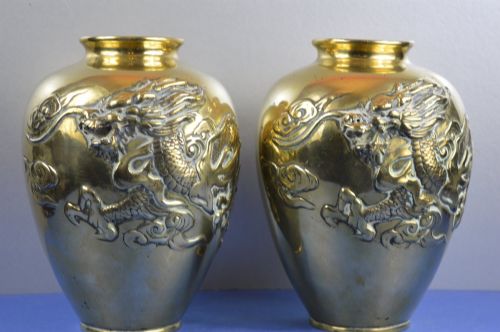
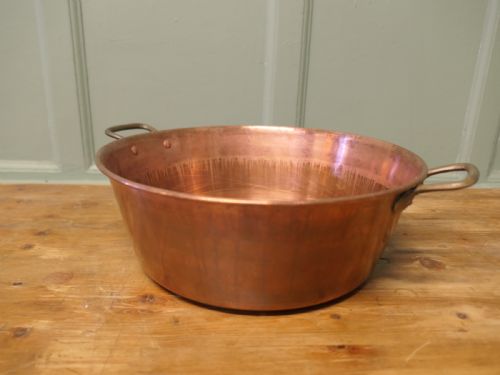
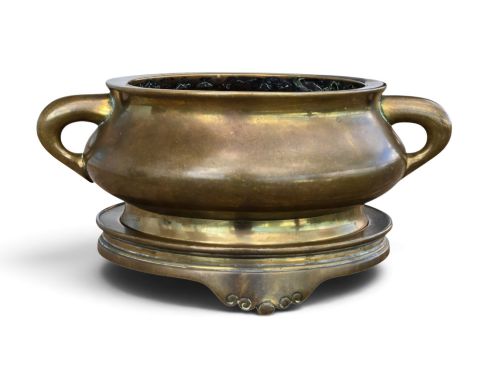
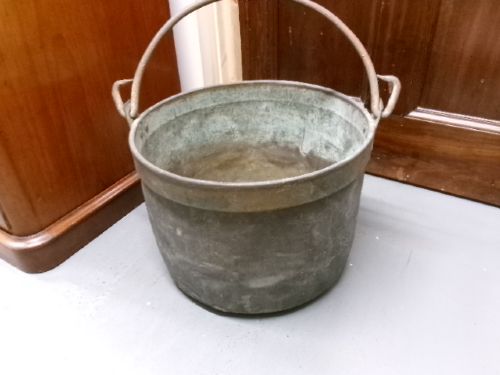
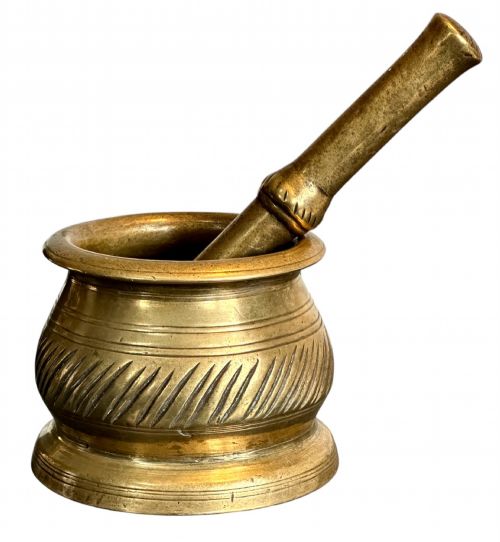
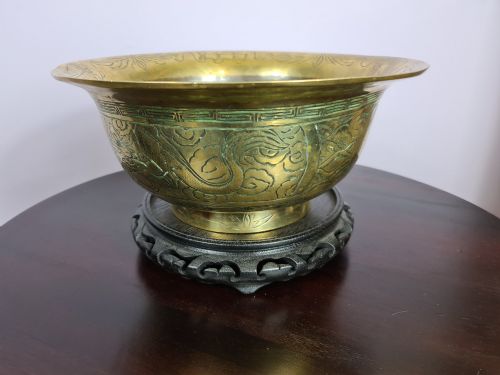
The selection includes pieces ranging from Georgian and Victorian English kitchenware to Chinese bronze censers and Japanese jardinières. Mortars and pestles, cauldrons, preserving pans, and large bowls dominate the offerings.
Origins stretch from English workshops to Qing Dynasty China and Japan, reflecting both domestic European utility and ritual Eastern craftsmanship. Heavy metal weight defines the selection, marking pieces built for demanding physical tasks or display.
How they were made
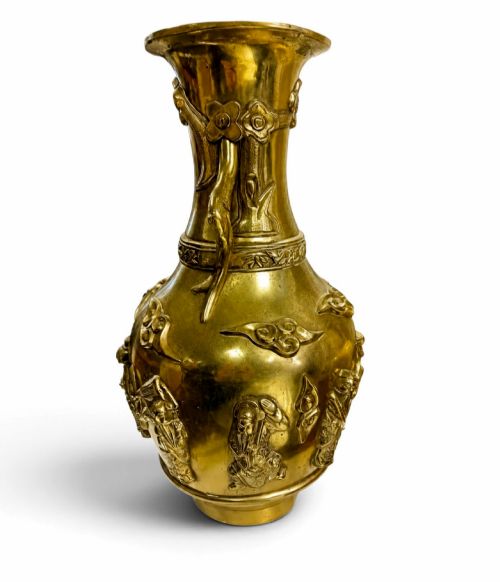
Metalworking techniques rely heavily on casting and hammering, producing thick walls in bronze, brass, and copper alloys. Artisans poured molten metal into moulds for censers and mortars, or hammered sheets into pans with riveted joints.
Surfaces display high-relief ornamentation, cast marks, and patination achieved through age and handling. Secondary materials such as iron handles, wood, and glass appear on specific domestic pans and clocks.
Heavy Brass Vessel Retail Price Guide 2026
Typical asking prices for heavy brass vessel among the pieces listed under this phrase on Sellingantiques today, from the lower quarter to the upper quarter. They describe what is for sale here now, not the wider market.
The inventory spans the eighteenth, nineteenth, and early twentieth centuries, covering Georgian, Victorian, and Art Deco eras.
What varies in quality
Quality rests in the wall thickness, the crispness of cast details, and the integrity of construction methods like riveting. Superior items retain maker marks, balanced proportions, and heavy metal mass without structural compromise.
Surface finish and decorative ambition separate standard utilitarian containers from exceptional ritual pieces. Examples featuring intricate Daoist imagery or imperial marks demonstrate higher artisanal skill than basic kitchen pans.
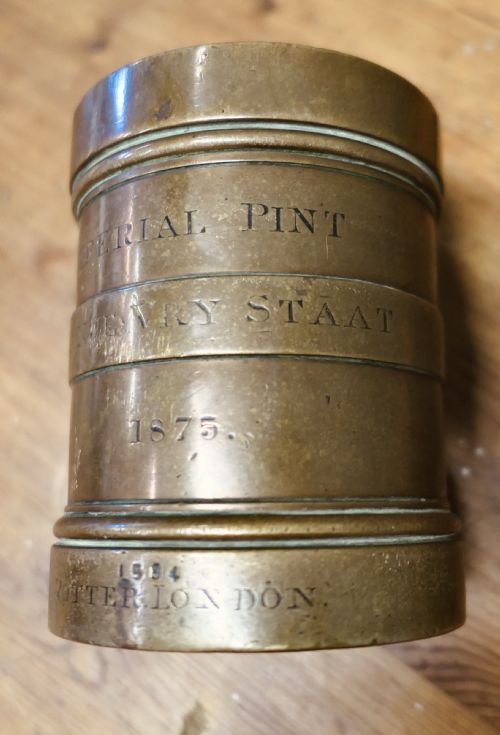
Potter of London·Wu Bangzuo·Prescot·Hodges and Sons
The Heavy Brass Vessel Glossary
- Censer
- A vessel used for burning incense during rituals. These items often feature tripod supports and cast bronze or brass construction.
- Jardiniere
- An ornamental pot or stand for holding plants or flowers. They appear in large, heavy metal formats designed for interior display.
- Mortar and Pestle
- A bowl and grinding tool used for pulverising substances. Apothecary and kitchen examples are typically cast in heavy bronze or brass.
- Dinanderie
- Objects made of brass, copper, or bronze originating from Dinant or similar European metalworking traditions. The term covers various decorative cauldrons and vessels.
- Archaistic
- A style in art that consciously mimics the aesthetic of ancient periods. Chinese ritual bronzes frequently adopt these older forms and motifs.
Heavy Brass Vessel: Frequently Asked Questions
What is a heavy brass vessel used for?
These metal items served diverse functions including grinding apothecary ingredients, cooking jams, burning incense, and holding plants.
Domestic versions managed kitchen tasks while ritual and decorative pieces sat in reception rooms or temples.
How do I date a brass vessel?
Dating relies on stylistic clues, casting methods, and any maker marks or reign stamps found on the metal surface.
Georgian and Victorian pieces show distinct English domestic forms, whereas Chinese items often bear dynasty or hall marks.
Are these vessels made of solid brass?
The listings comprise solid brass, bronze, copper, and copper-alloy pieces built with substantial wall thickness.
Many items weigh several kilograms due to the dense metal used in their production.
How do I clean an antique brass vessel?
Maintenance typically involves dusting and occasional light cleaning to preserve the natural historic patina accumulated over centuries.
Harsh chemical polishing is generally avoided by collectors who value the aged surface finish.