



Heavy Brass Stop
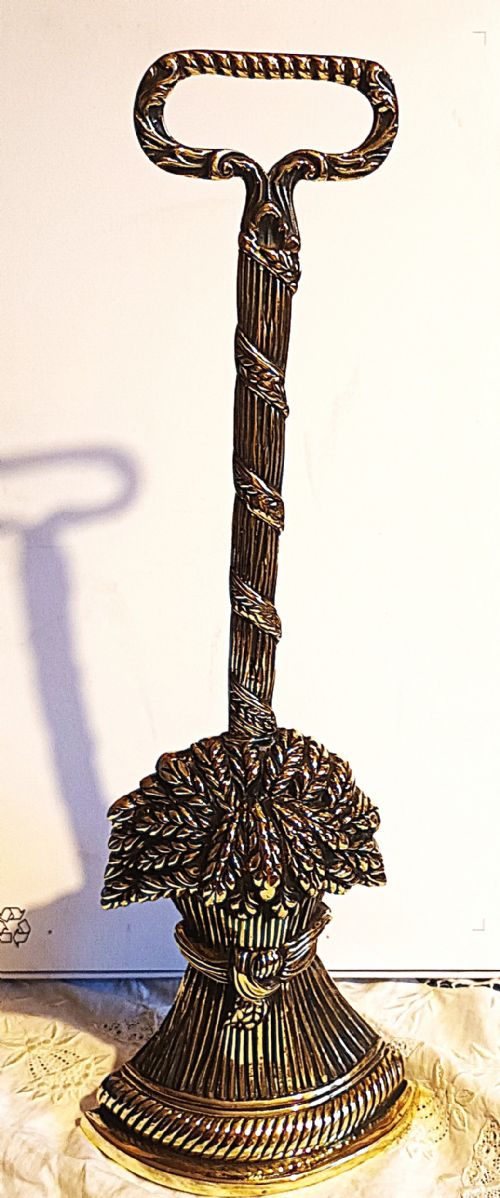
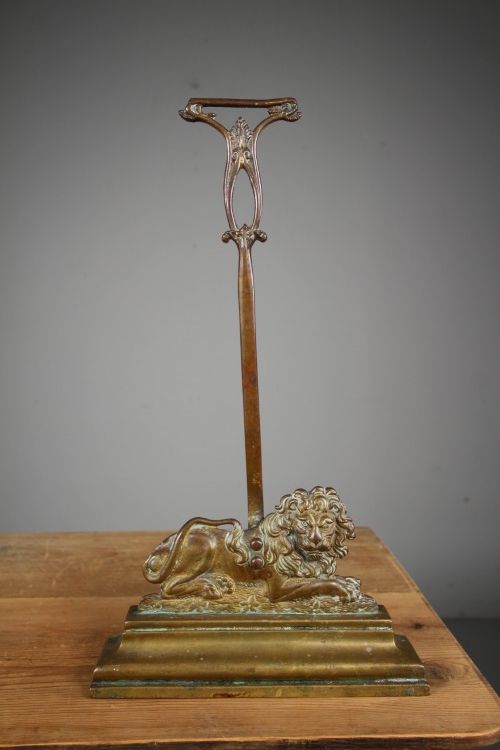
A heavy brass stop holds open doors with substantial weight and presence, combining utility with decorative character.
Heavy Brass Stop
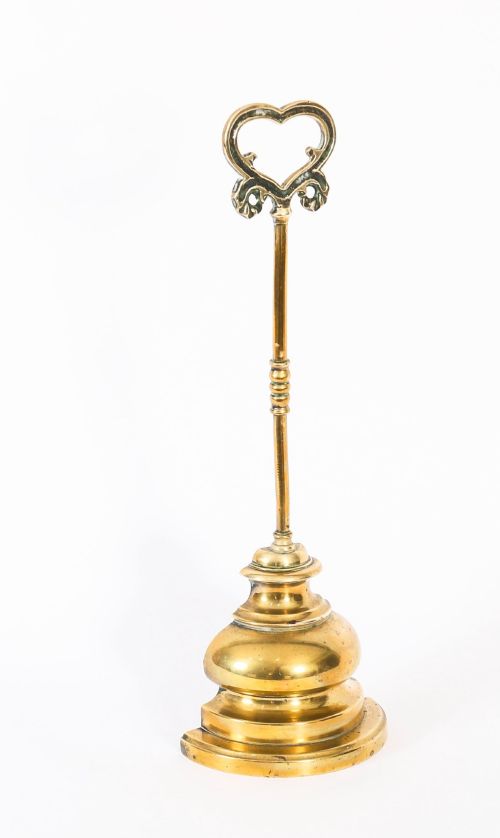
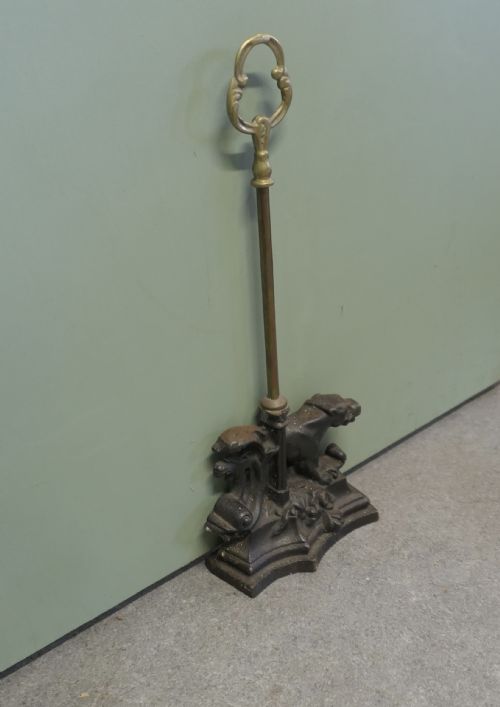
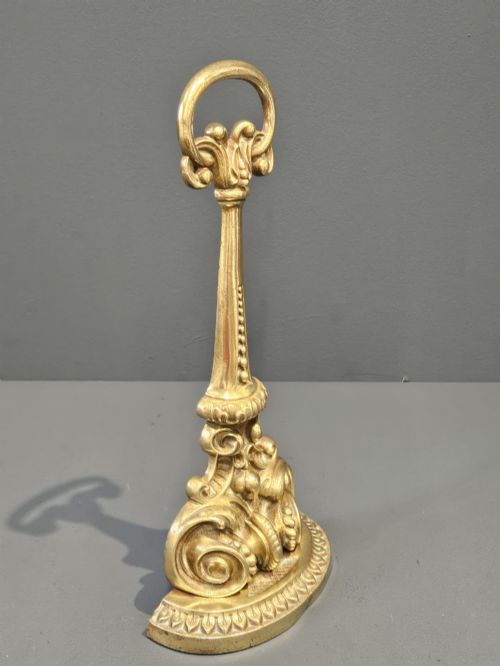
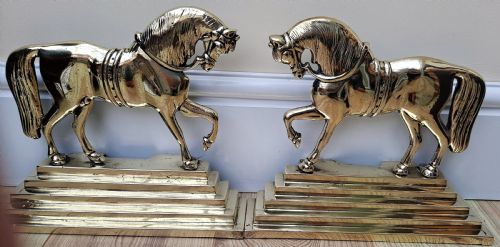
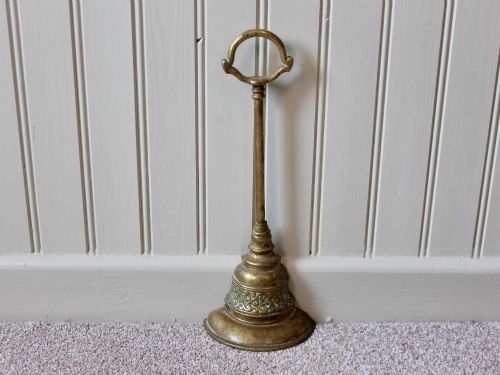
A heavy brass stop serves primarily as a doorstop or door porter, keeping heavy interior doors securely in place. When searching for a heavy brass stop, buyers encounter figural designs, heraldic motifs, and classical subjects spanning the Georgian, Victorian, and Edwardian periods.
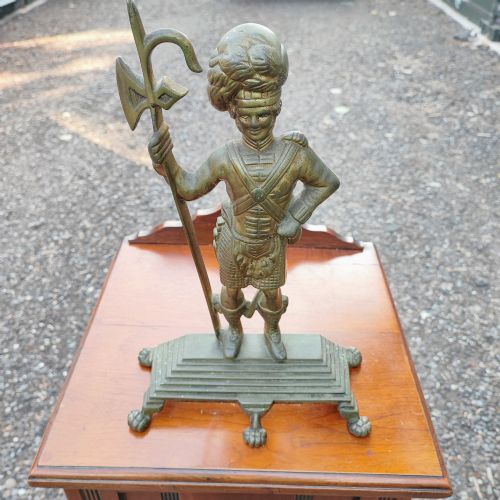
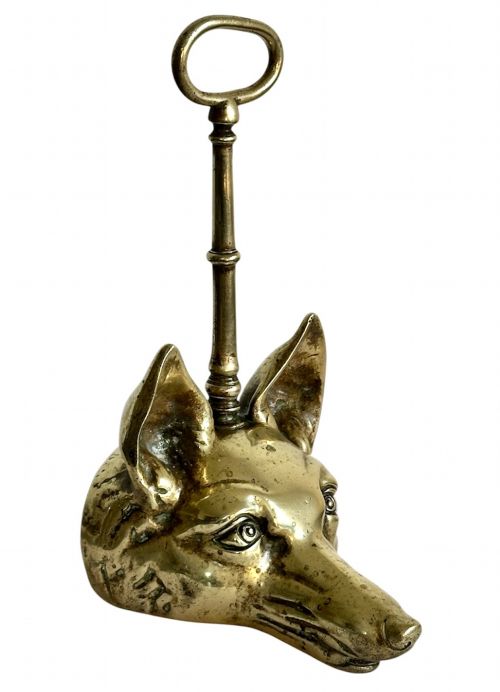
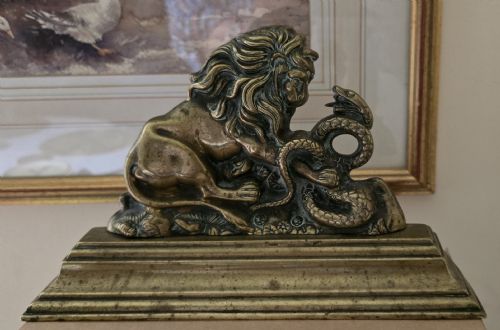
The selections on this page range from full-length figures such as Scottish soldiers, Lord Nelson, and Mr Punch to animal forms including lions, horses, and foxes. Bookends also appear alongside traditional doorstops, sharing the same substantial cast metal construction.
What varies in quality
The distinction between standard production pieces and superior examples lies in the articulation of the subject and the quality of the finishing work. Heavier, well-balanced castings demonstrate greater foundry skill.
Heavy Brass Stop Retail Price Guide 2026
Typical asking prices for heavy brass stop among the pieces listed under this phrase on Sellingantiques today, from the lower quarter to the upper quarter. They describe what is for sale here now, not the wider market.
Tonks
The Heavy Brass Stop Glossary
- Door porter
- A movable heavy stop designed to be carried from room to room to hold doors open. These portable weights often feature a handle at the top for convenience.
- Cast brass
- Molten brass poured into a mould to form solid decorative objects. This technique allows for complex three-dimensional shapes and detailed surface ornament.
- Lead weighting
- Heavy metal added to the interior base of a hollow casting to increase stability. This ensures the stop remains upright against heavy draughts.
- Figural
- Representing a human or animal form rather than a purely abstract or geometric design. These figurative pieces often depict historical figures, characters from literature, or domestic animals.
Heavy Brass Stop: Frequently Asked Questions
How heavy should a door porter be?
A traditional door porter needs sufficient mass to hold back heavy wooden doors against draughts. Most examples weigh several kilograms, often aided by internal lead weighting.
Lighter pieces suit interior cottage doors, whilst substantial figural castings manage large period doorways.
Are these used exclusively for doors?
Whilst primarily designed as doorstops, similar cast metal objects function effectively as bookends. The dense construction provides the necessary resistance to keep rows of books upright.
Period workshops occasionally produced matching pairs specifically for heavy library volumes.
How do I identify a Victorian piece?
Victorian examples frequently display naturalistic animal forms, historical characters, or military figures with deep casting relief. The surface brass often develops a rich, dark patina through decades of handling.
Stylistic cues match the decorative arts popular during the nineteenth century, including Gothic Revival and maritime themes.
How should I clean antique brass?
Maintenance generally requires only gentle dusting with a soft cloth to preserve the accumulated historical patina. Aggressive chemical polishing removes the aged surface character that collectors value.
Light cleaning with warm soapy water removes accumulated grime without altering the metal.