




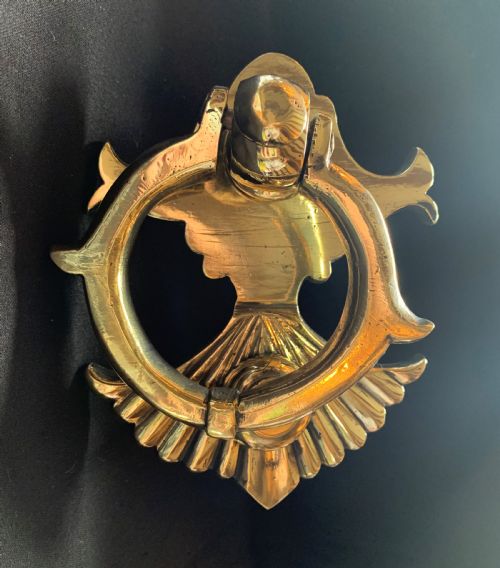


Heavy Brass Door Knocker
A heavy brass door knocker makes an entrance, offering tactile weight and historic character to a front door.
Heavy Brass Door Knocker
A heavy brass door knocker is a substantial piece of door hardware designed to announce visitors with a resonant sound. When searching for a heavy brass door knocker, buyers encounter robust examples from periods spanning the Georgian era through to the mid-twentieth century.
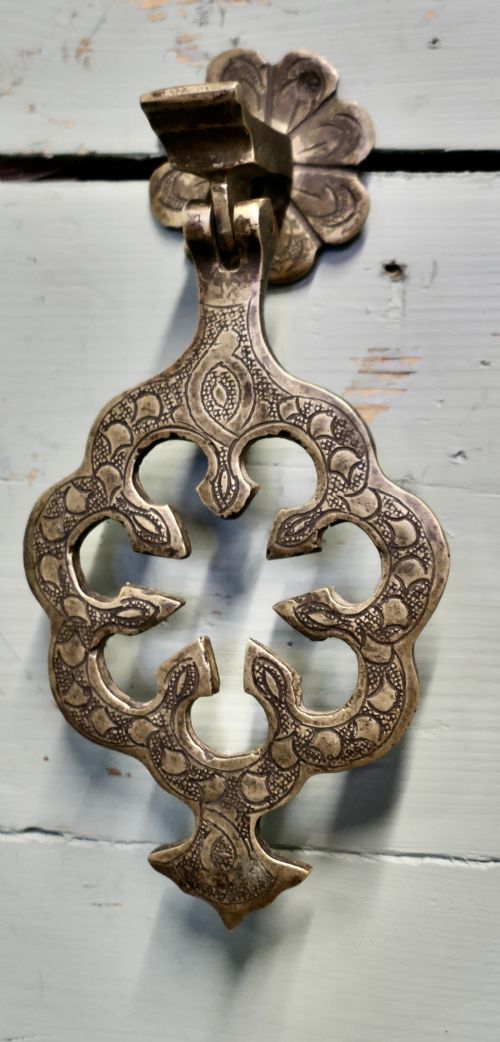
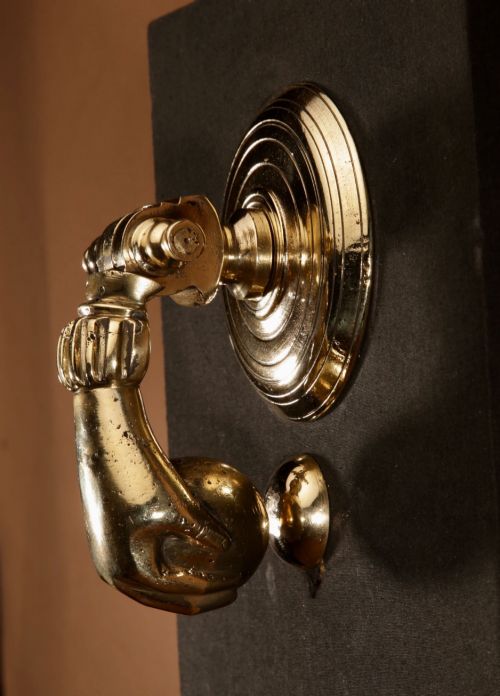
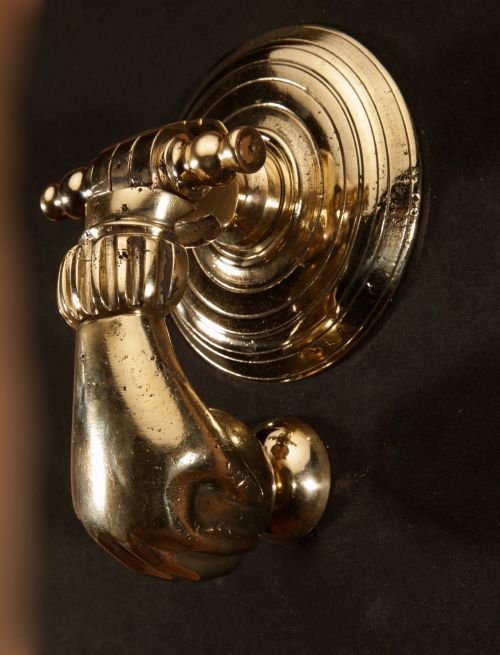
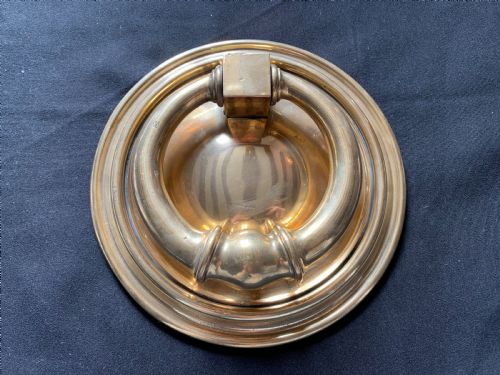
The selections available here showcase diverse forms such as lions, hands, anchors, and dolphins alongside traditional doctor styles and ring designs. Victorian and nineteenth-century pieces dominate the selection, bringing distinct regional and stylistic variations to residential entrances.
Materials and construction
These items rely on traditional metalworking methods, primarily utilising cast brass and solid bronze. Heavy gauge metal provides the necessary mass and durability required for functional door furniture.
Finishes range from polished bronze to patinated cast brass surfaces that develop character over decades of exposure. Pierced detailing and structural backplates demonstrate period casting techniques.
Brass hands reach out from the past to announce guests, offering a firm handshake before anyone even steps inside the hallway.
Judging quality
Completeness dictates value and utility, with knockers retaining their original striking plates and mounting fixings holding greater historical integrity. The balance between the striking hammer and the backplate ensures a satisfying acoustic resonance.
The Heavy Brass Door Knocker Glossary
- Strike plate
- The metal plate mounted on the door surface that receives the impact of the knocker. This protects the wood of the door from repeated blows.
- Doctors knocker
- A specific style featuring a pivoting hammer on a vertical spindle, historically used by medical practitioners so households could identify professional visitors.
- Lion mask
- A decorative motif shaped like a lion's face holding a ring in its jaws. This classical design appears frequently on Georgian and Victorian hardware.
- Cast brass
- Molten alloy poured into a mould to create solid architectural hardware. This method allows for intricate sculptural detail and heavy weight.
Heavy Brass Door Knocker: Frequently Asked Questions
How do I install a heavy door knocker?
Most pieces mount through the door using threaded bolts secured from the interior side. Ensure the fixings match the weight of the metal to prevent sagging over time.
Check the alignment of the striking plate with the hammer before drilling permanent holes into exterior timber.
Can these knockers be used outside?
These items are designed for exterior domestic use and withstand standard weathering. Solid brass and bronze naturally develop a darker surface patina when exposed to rain and air.
Occasional gentle cleaning preserves the metal without removing the character accumulated over decades.
How do I identify a Victorian piece?
Victorian examples often feature heavier gauge casting and specific motifs like dolphins, lions, or hands. Look at the construction of the hinge mechanism and the style of the backplate.
Nineteenth-century hardware typically displays heavier proportions compared to later reproductions.
What is a doctors knocker?
A doctors knocker uses a hinged drop-bar design rather than a traditional ring or pivoted hammer. Medical professionals utilised this style so patients could produce a distinct sound.
These pieces remain popular for their balanced proportions and historical association with domestic practices.