

Hearth Surround Guard
A hearth surround guard frames the open fire while keeping stray coals safely contained upon the stone.
Hearth Surround Guard
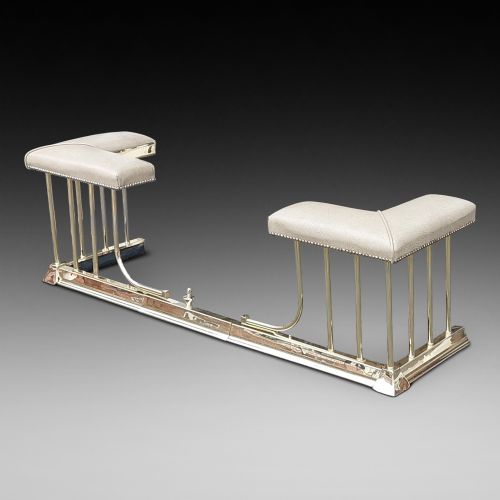
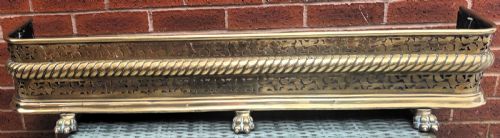
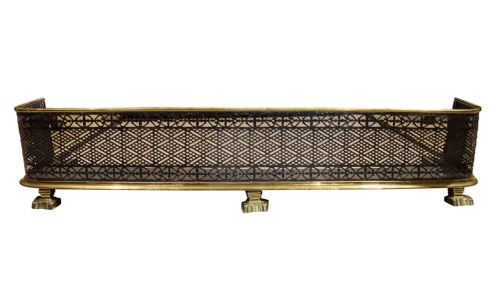
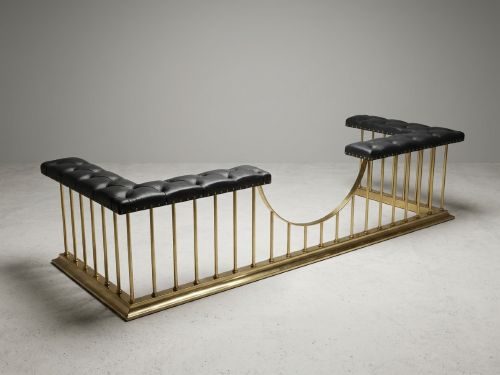
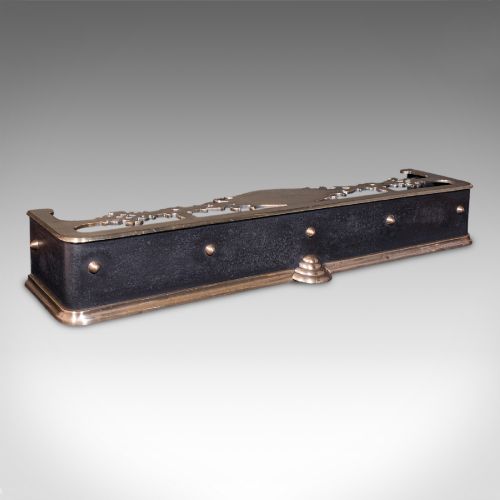
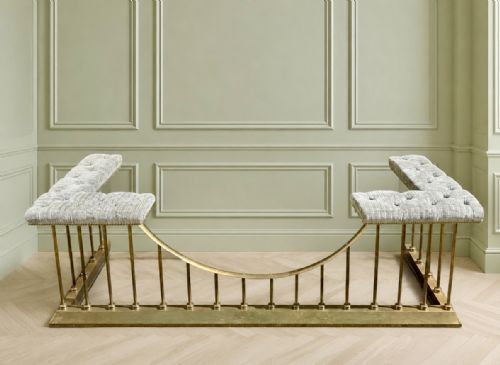
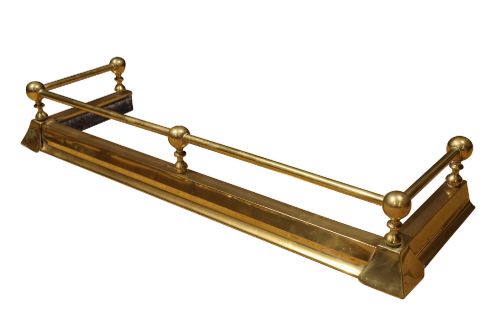
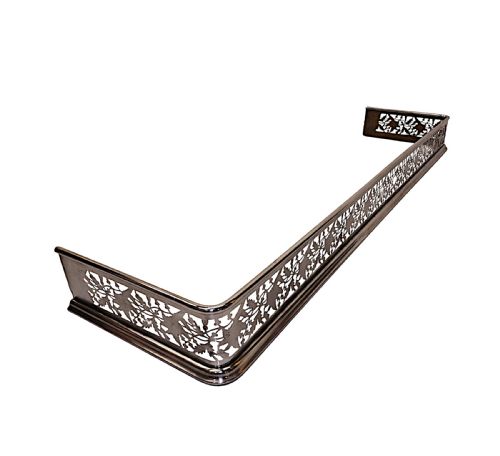
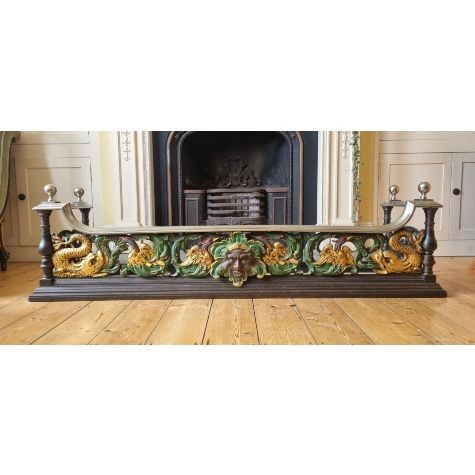
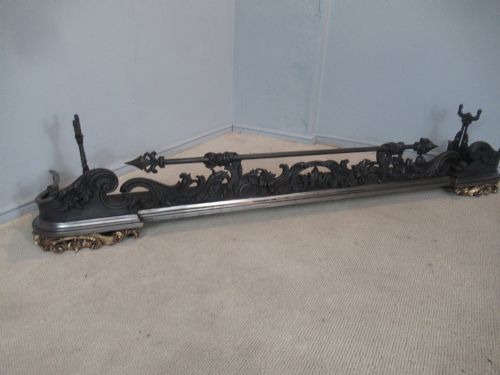
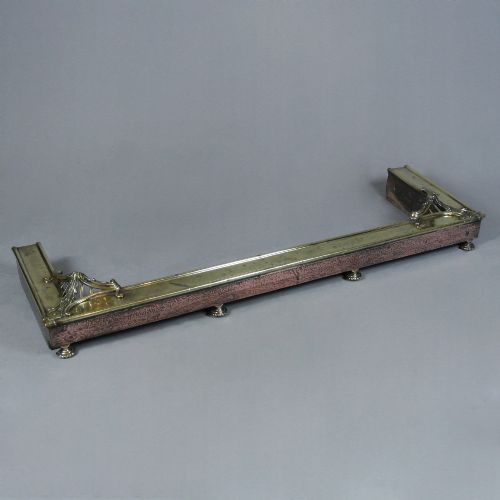
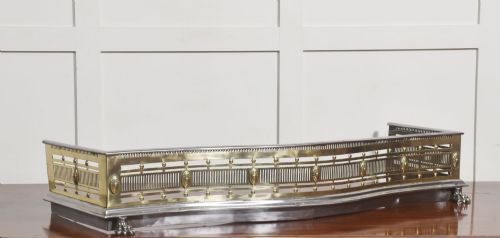
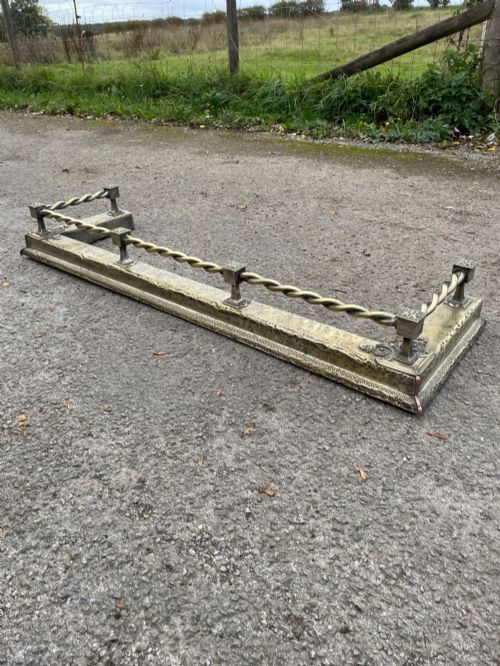
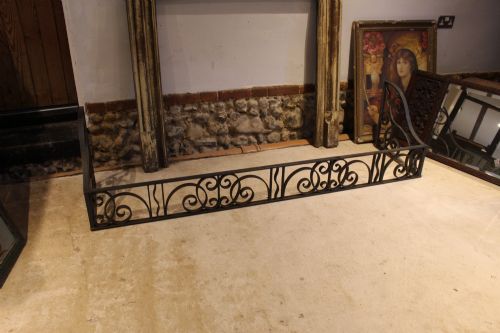
A hearth surround guard sits directly on the floor around the fireplace opening to catch embers and define the hearth space. When you examine these items, you encounter various forms including standard fire fenders, club fenders with upholstered seats, and adjustable kerbs.
The pieces on this page span the Georgian, Victorian, and Edwardian eras, with Victorian brass and steel examples appearing most frequently. Makers from these periods utilised sturdy metals to protect carpets and garments from falling sparks.
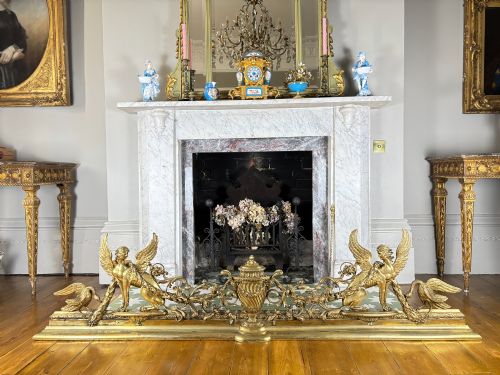
Victorian and Edwardian workshops produced both simple pierced brass strips and grand country house steel designs. You also find continental interpretations, such as French gilt bronze and Louis style guards.
Materials and construction
Makers constructed these guards primarily from brass, steel, iron, and copper, often combining materials for structural strength and visual contrast. Polished steel and cast iron provided heavy frames, whilst sheet brass and bronze allowed for detailed surface work.
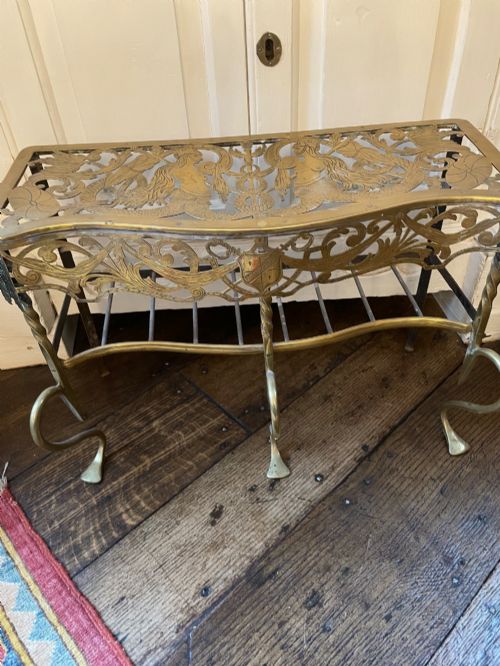
Techniques ranged from precision piercing and serpentine engraving to riveting heavy copper plates. Many Victorian examples feature applied details such as flower patera, beaded decoration, and enamel cabochons fixed to the metal body.
Hearth Surround Guard Retail Price Guide 2026
Typical asking prices for hearth surround guard among the pieces listed under this phrase on Sellingantiques today, from the lower quarter to the upper quarter. They describe what is for sale here now, not the wider market.
Current listings demonstrate a strong presence of Victorian brass and steel pieces alongside Edwardian designs and earlier Georgian forms.
Assessing quality and craftsmanship
Quality rests upon the weight of the metal, the crispness of any pierced or engraved decoration, and the integrity of the joints. Heavy gauge steel and thick cast brass indicate superior production compared to thin, stamped alternatives.
The refinement of the decorative details, such as hand-engraved serpentine patterns or riveted copper work, separates standard utility pieces from exceptional country house or salon examples. Extension mechanisms on adjustable models operate smoothly on better pieces.
E F Caldwell New York
The Hearth Surround Guard Glossary
- Fender
- A low metal guard placed around the hearth to prevent coal and ash from rolling onto the floor. It forms the primary barrier between the fire and the room.
- Club fender
- A heavy hearth guard featuring upholstered leather seat pads on the corners or sides. Gentlemen traditionally sat upon these seats close to the fire.
- Pierced brass
- Sheet brass punched or cut with repeating decorative patterns to let light through. This technique lightens the visual weight of the metal frame.
- Patera
- A circular ornamental bas-relief resembling a classical medallion or flower. Makers applied these discs to the corners and friezes of brass and copper guards.
- Cut steel
- Small faceted steel studs riveted individually to a steel backing to create a sparkling surface. This intense decorative technique appears on finer Georgian and Victorian guards.
Hearth Surround Guard: Frequently Asked Questions
How do I measure for a hearth surround guard?
Measure the width and depth of your hearth stone to ensure the guard sits comfortably within the perimeter without overhanging the edges.
Take into account the clearance needed for fireplace tools and the opening of the fire basket itself.
What is the difference between a fender and a club fender?
A standard fender consists solely of a low metal barrier designed strictly to contain sparks and ash.
Club fenders incorporate cushioned leather seats on top of the frame, turning the hearth edge into bench seating.
Can I adjust the width of these guards?
Certain Victorian and Edwardian models feature sliding mechanisms that allow you to extend the frame to fit different fireplace widths.
Fixed brass and iron guards cannot be altered, so precise measurements of your hearth are essential before purchase.
How do I clean polished steel and brass?
Dust the metal regularly with a dry cloth to prevent the accumulation of soot and grime from the open fire.
Apply suitable metal polishes sparingly, protecting surrounding stone and leather upholstery from direct contact with cleaning agents.