



Heals Oak Cabinet
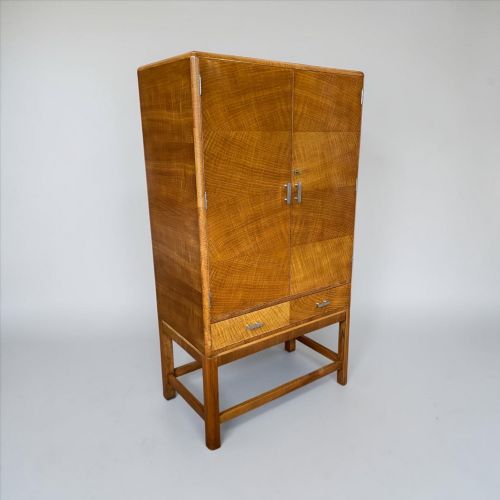
Heals oak cabinet designs span the 19th century through the 1930s, offering practical storage built in solid oak, limed oak, and wood veneer.
Heals Oak Cabinet
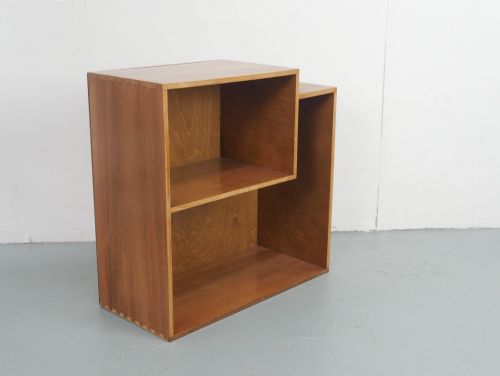
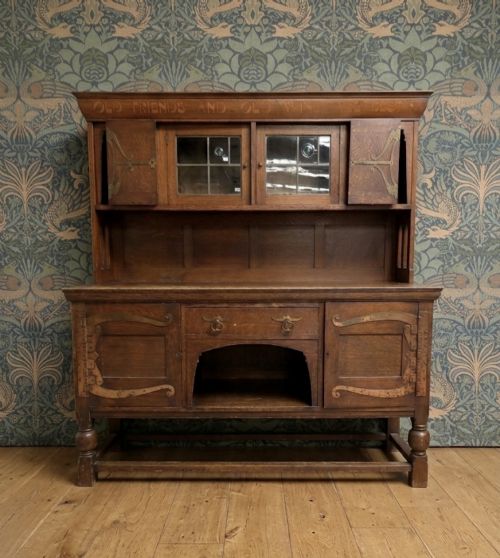
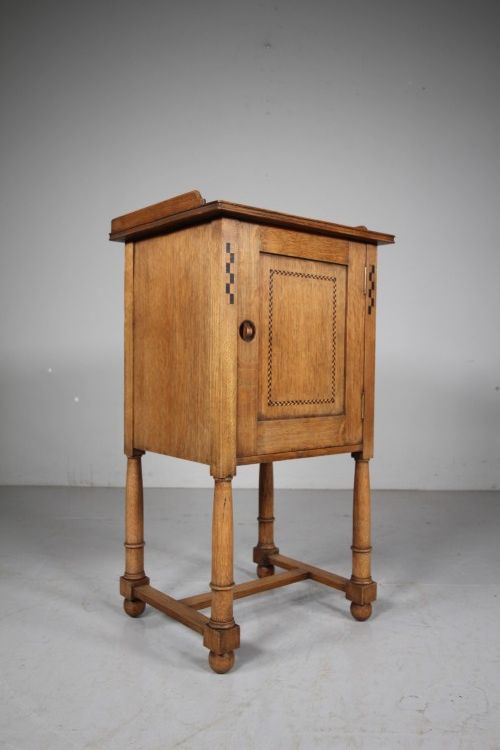
A heals oak cabinet search reveals a specific trajectory of British cabinet-making from the late 19th century through the Arts and Crafts movement into the 1930s. The selection on this page centres heavily on bedside cabinets, wall-mounted display units, and bookcases produced in solid oak.
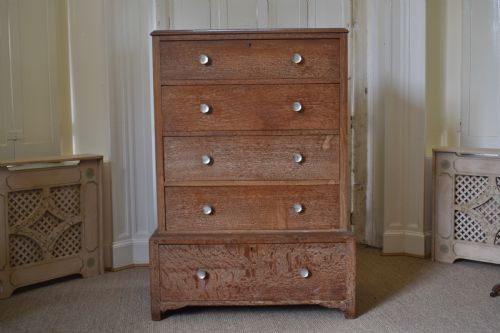
The domestic forms range widely across the inventory, encompassing sideboards, tall chests, dressers, and stacking bookcases. Pieces emerge from distinct eras including Edwardian production, the 1920s, and 1930s Modernism, often retaining maker labels or stamps.
How they were made
Makers utilised solid oak and limed oak as the primary timber, occasionally integrating plywood, wood veneer, and iron hardware. Decorative detailing relied on subtle craftsmanship rather than heavy ornamentation, incorporating ebony inlay and boxwood inlay.
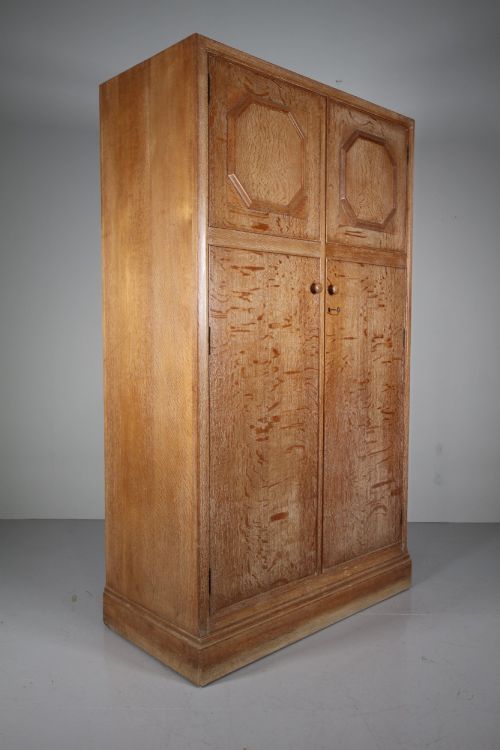
Construction techniques evolved from 19th-century joinery traditions into the cleaner lines of Art Deco and the 1930s Modern aesthetic. Surface treatments included liming finishes that lightened the natural grain of the oak.
Heals Oak Cabinet Retail Price Guide 2026
Typical asking prices for heals oak cabinet among the pieces listed under this phrase on Sellingantiques today, from the lower quarter to the upper quarter. They describe what is for sale here now, not the wider market.
Listings incorporate oak, limed oak, wood veneer, and boxwood inlay across Edwardian, 1920s, and 1930s periods.
What varies in quality
Quality rests on the integrity of the timber selection, the crispness of any inlay work, and the survival of original labels or stamps. Pieces by known designers or documented workshops command greater interest among collectors.
The refinement of the hardware, the precision of the joints, and the application of finishes such as liming distinguish standard production runs from more ambitious workshop pieces.
Ambrose Heal·Heal And Son·Heals Of London
The Heals Oak Cabinet Glossary
- Limed oak
- A wood finish created by applying a white pigment or lime to oak, filling the grain to produce a pale, pickled appearance popular in the early 20th century.
- Arts and Crafts
- A design movement advocating traditional craftsmanship, simple forms, and local materials, heavily represented in early pieces by this maker.
- Stacking bookcase
- Modular shelving units designed to sit one upon another, allowing modular storage that was popular during the 1920s.
- Boxwood inlay
- Fine strips or pieces of yellowish boxwood inserted into recesses in the oak surface to create contrasting geometric patterns.
- Owl cabinet
- A distinct cabinet form associated with this maker, featuring characteristic door configurations and proportions.
Heals Oak Cabinet: Frequently Asked Questions
How do I date a cabinet?
Dating relies on stylistic clues, construction methods, and the presence of paper labels or brand stamps. Pieces from the Edwardian era show different joinery compared to 1930s Modern examples.
Examining the interior timber and hardware helps confirm the manufacturing period when maker marks are absent.
What is limed oak?
Limed oak is a treated timber finish that leaves a pale, chalky pigment within the open grain of the wood. This technique lightened the natural brown tone of the oak.
It became widely utilised during the 1920s and 1930s for contemporary domestic furniture.
Are these pieces solid oak?
Many examples are constructed from solid oak, though certain forms incorporate wood veneer or plywood for large flat surfaces. Examining the edges and interior panels reveals the core construction.
Both solid timber and veneered versions appeared across different decades of production.
How do I identify a genuine piece?
Authentic items frequently feature maker labels, stamps, or distinct design characteristics tied to the London firm. Comparing the proportions, timber choices, and hardware against documented archive examples aids verification.
Unmarked pieces often share the construction traits and stylistic vocabulary of the workshop.