
Heals Furniture
Heals furniture represents decades of considered British design, offering buyers sturdy oak storage and clean modernist lines that anchor a room.
Heals Furniture
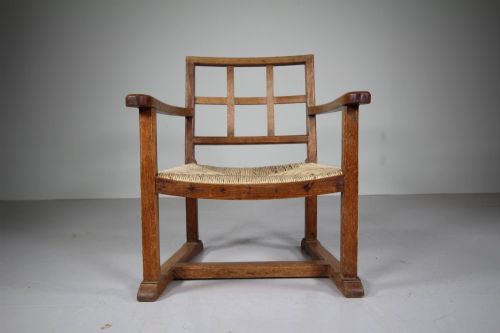
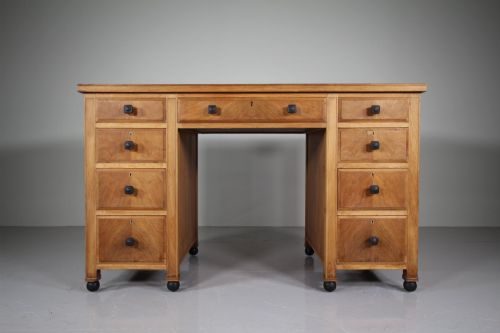
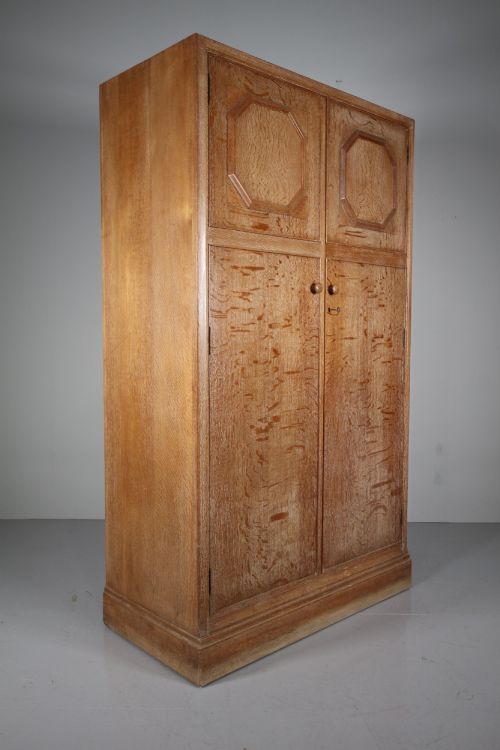
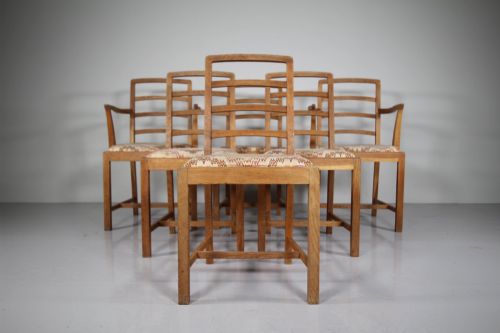
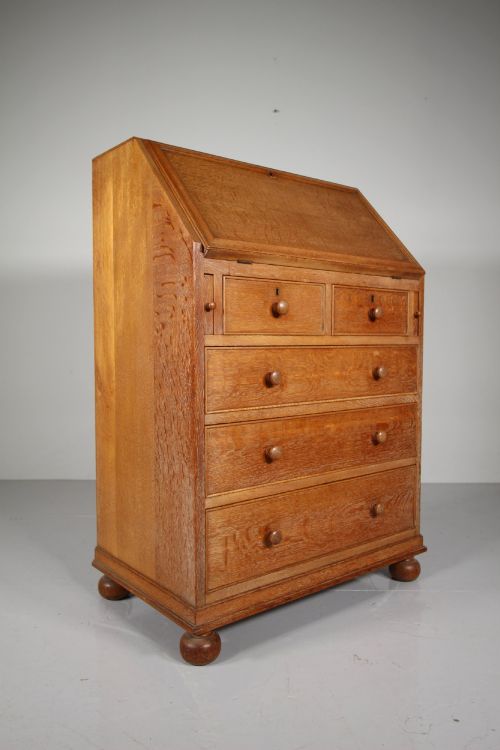
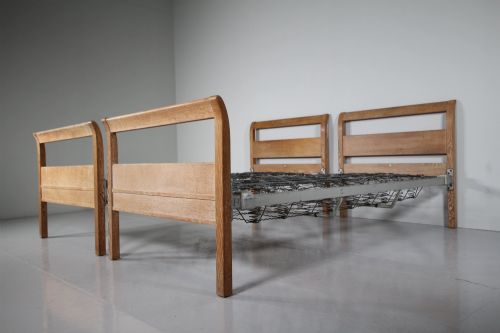
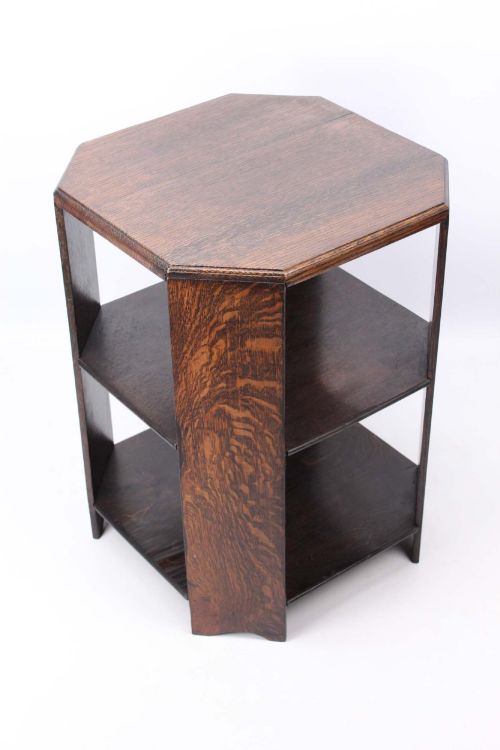
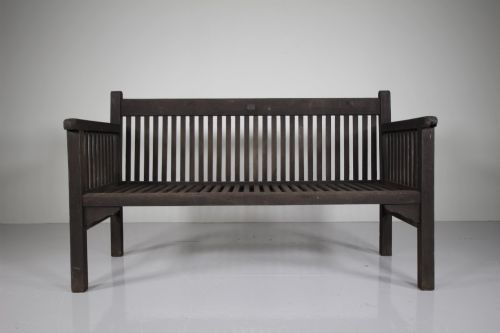
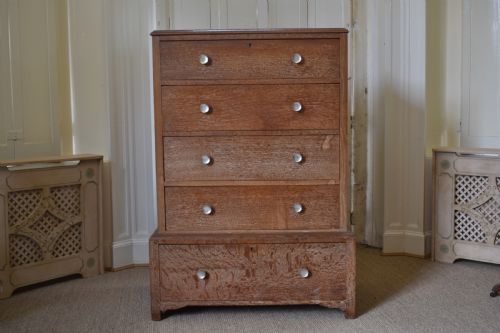
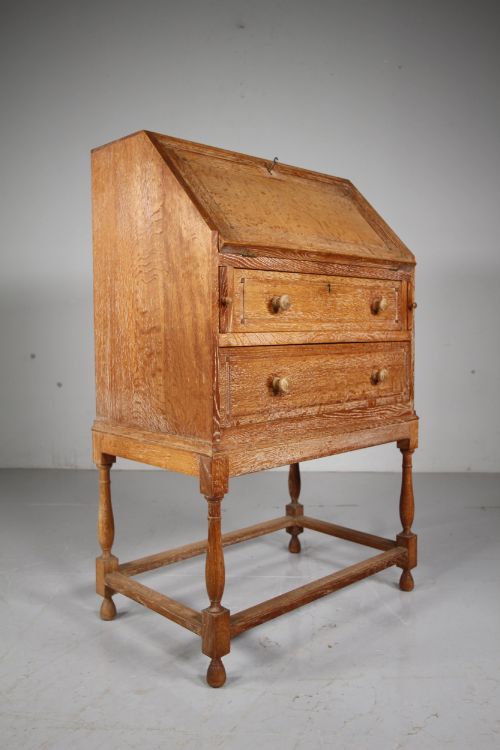
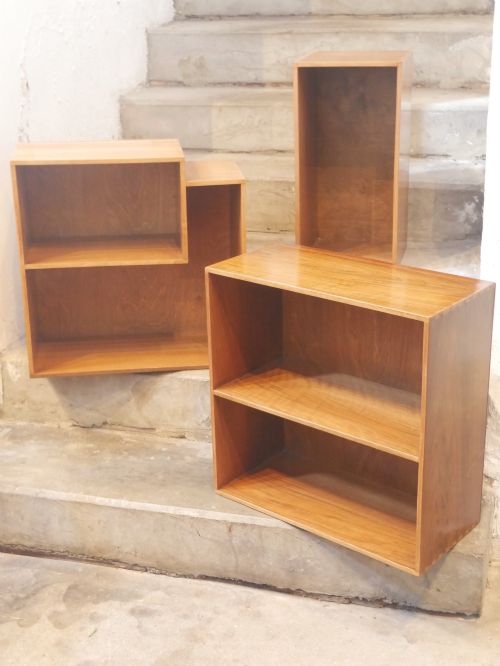
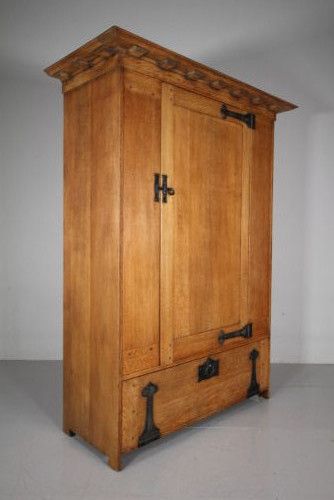
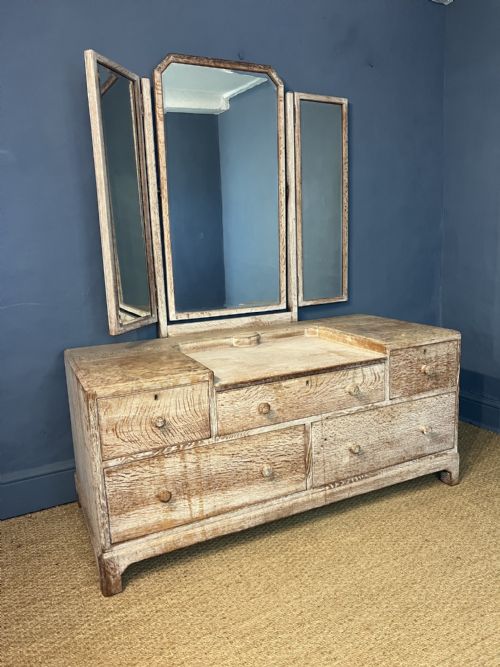
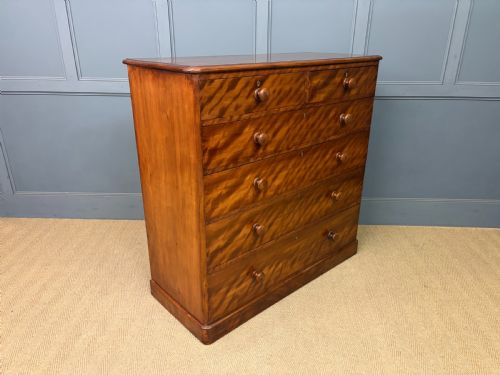
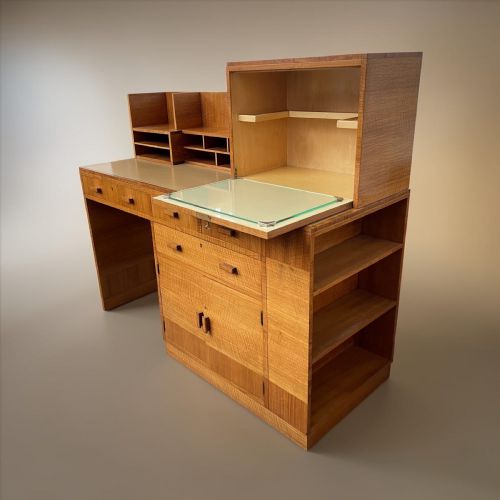
When buyers search for heals furniture, they encounter pieces originating from the nineteenth century through the interwar decades. The selection includes practical domestic forms such as oak chests of drawers, dining chairs, wardrobes, and writing desks produced by the London firm. Limed oak dressing tables and Art Deco bookcases dominate the current selection, reflecting the house aesthetic of the early twentieth century.
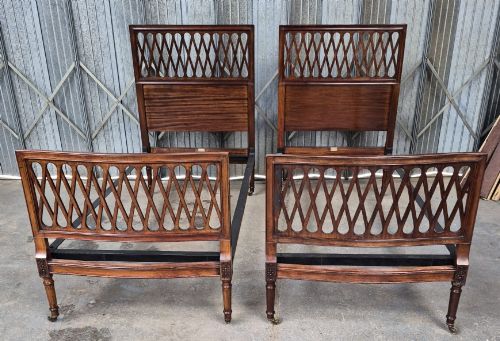
Earlier Victorian and Edwardian examples sit alongside strict Art Deco designs and Arts and Crafts predecessors. Buyers find sturdy bedroom suites, oak sideboards, and occasional tables bearing paper labels, stamps, or ink signatures. These objects show the evolution of a retailer that championed plain timber surfaces over heavy ornamentation.
The assortment spans utilitarian bedroom pieces to architectural bookcases and writing bureaus. Oak is the primary medium, supported by walnut and satin birch in specific Art Deco lines. Each piece points to a philosophy of domestic utility that defined twentieth-century British interiors.
How heals furniture was made
Makers relied on solid quartered oak, walnut, and satin birch, frequently treating the timber with a pale lime finish to highlight the natural grain. Metal fixtures such as brass handles and iron fittings were selected for functional simplicity rather than ornate display. Glass panels appeared in bookcases and display cabinets, secured with straightforward wooden glazing bars.
Construction techniques prioritized durability through traditional jointing methods combined with clean, unadorned planar surfaces. Bentwood processes shaped specific armchair frames during the Art Deco period, while refectory and trestle tables utilised heavy timber boards locked with pegged tenons.
Even an umbrella stand received modernist treatment, turning a mundane hallway drop into a compact exercise in limed timber geometry.
What varies in quality
The presence of original manufacturer stamps, paper labels, or branded marks distinguishes documented factory pieces from generic items of the same period. Legibility and placement of these paper labels or drawer stamps confirm attribution to the London workshops.
Timber selection and finishing techniques establish the grade of each piece, with quarter-sawn oak figuring and even limed washes representing superior output. Untouched original surfaces command greater interest than items stripped or refinished in later decades.
Heal and Son·Heals of London
The Heals Furniture Glossary
- Limed oak
- A wood finishing technique involving a white or pale compound rubbed into open-pored oak to create a light, bleached appearance. This finish became synonymous with modern bedroom suites from the interwar period.
- Quartered oak
- Timber cut radially from the log to reveal distinctive medullary ray flecks across the surface. This method produced stable boards with decorative figuring used on high-grade cabinets and tables.
- Bentwood
- Wood softened through steaming and bent into curved structural forms under pressure. The technique created fluid armrests and frames for modernist seating.
- Refectory table
- A long, narrow dining table supported by heavy trestles or sturdy legs connected by low stretchers. These pieces utilised thick elm or oak tops designed for communal dining.
- Buttery hutch
- A compact utilitarian storage unit featuring open shelving above enclosed cupboards. The form served domestic spaces for organising household provisions.
Heals Furniture: Frequently Asked Questions
How do I identify a real piece?
Look inside drawer linings, on the backs of cabinets, or underneath table tops for paper manufacturer labels, stamped signatures, or inset round metal plaques. These marks confirm workshop production from the nineteenth or twentieth century.
Compare the construction methods and timber selection against documented examples from the same decade. Simplicity of form and quality quartered oak typically indicate authentic output.
How do I care for limed oak?
Dust surfaces regularly with a dry, soft cloth to prevent particulate buildup in the open grain pores. Avoid silicone sprays or heavy liquid polishes that can discolour the pale liming compound.
Keep wooden items away from direct sunlight and radiators to prevent timber shrinkage and cracking of the original finish.
Are these pieces suitable for daily use?
Solid oak construction and robust joinery make these items well-suited for everyday domestic tasks. Dining chairs, desks, and chests of drawers retain their structural integrity through generations of active service.
Mind the delicate glass panels on bookcases and protect polished timber surfaces from moisture and heat to maintain their condition during daily living.