



Heals Furniture Cabinet
When you seek a heals furniture cabinet, you want a piece carrying the maker's understated stamp of British utility and design.
Heals Furniture Cabinet
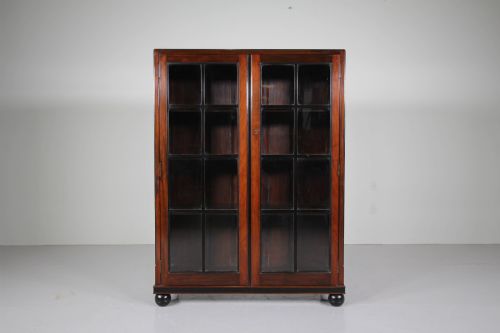
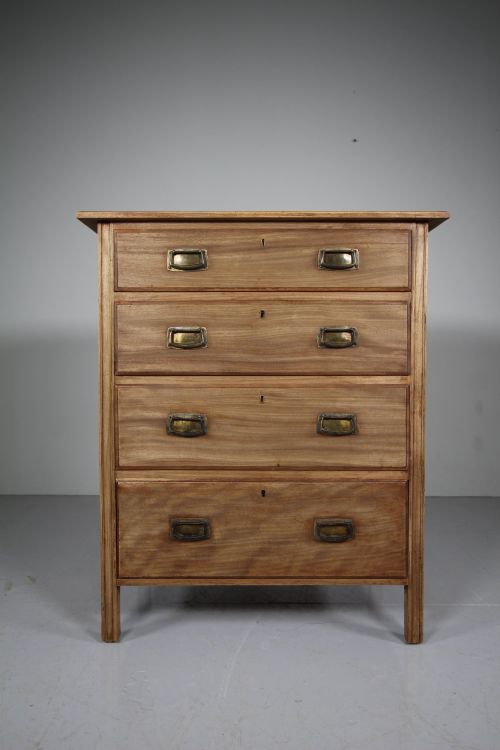
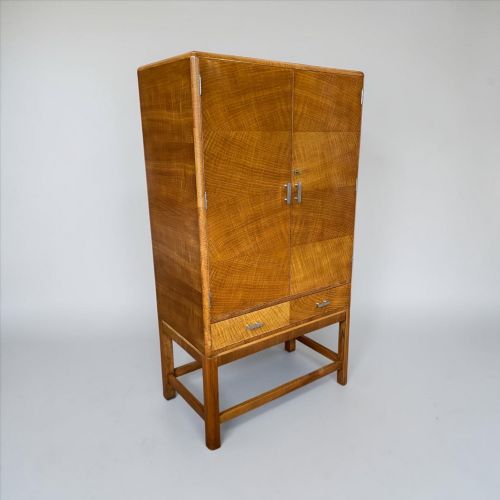
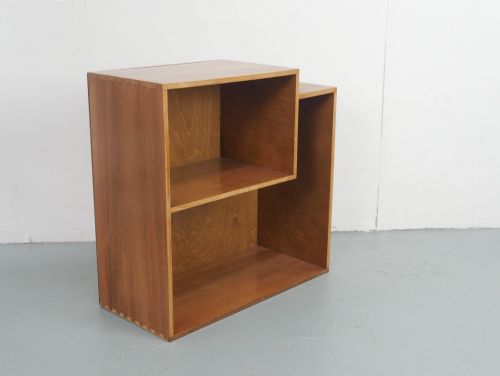
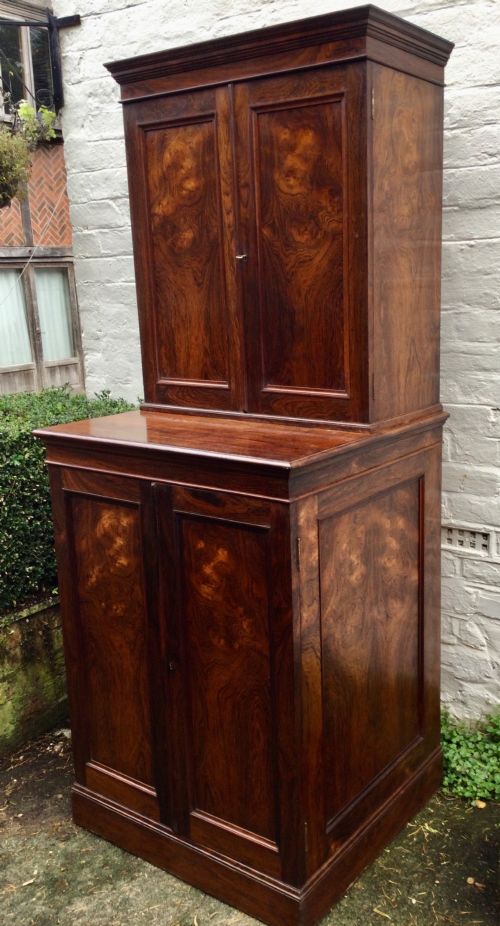
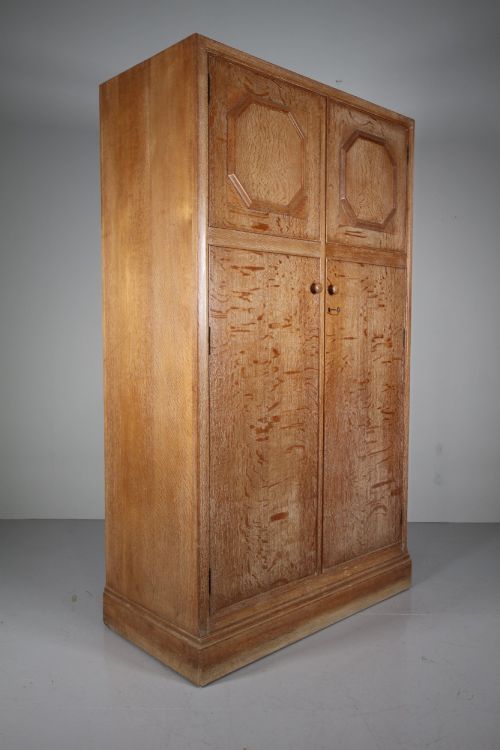
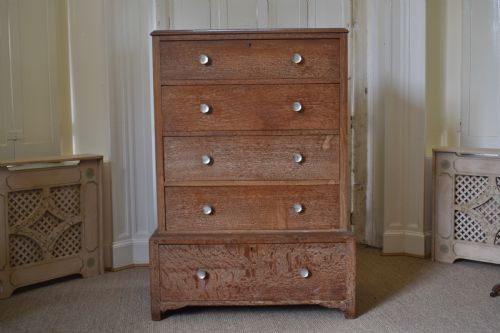
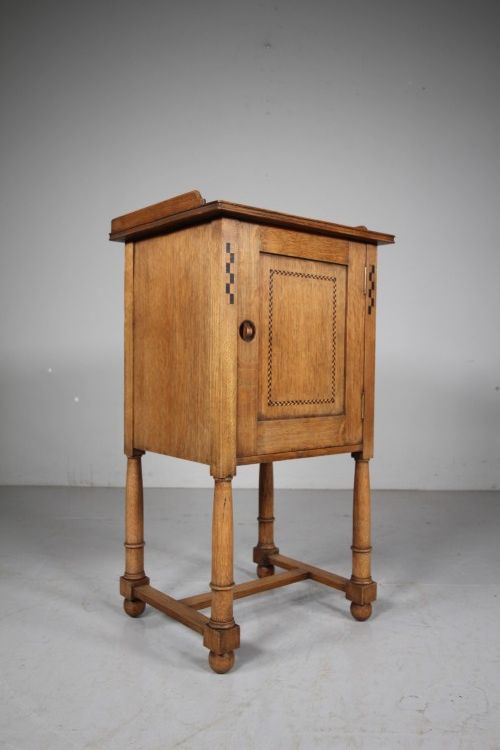
A heals furniture cabinet encompasses pieces designed for storage and display, spanning bedside units, tallboys, and stacking bookcases. These items originate from periods including the Victorian era, the Edwardian years, and the 1920s and 1930s.
The versions most commonly met on this page include oak bedside cabinets, walnut chests of drawers, and limed oak tall chests. Makers and workshops from these decades produced forms that favoured clean lines and honest construction over excessive ornamentation.
Object types also extend to dressers, hutches, and display boxes, reflecting the varied domestic needs addressed by the firm. Each piece demonstrates how functional storage adapted to changing tastes across the late nineteenth and early twentieth centuries.
How they were made
Cabinet makers utilised solid oak, mahogany, and rosewood, often pairing them with wood veneer and plywood for internal structures. Brass hardware and glass panels frequently complete the fittings of display and bedside units.
Surface treatments range from the pale finish of limed oak to polished walnut and rich mahogany. Construction techniques rely on traditional joinery suited to the timber used, ensuring the stability of wardrobes, tallboys, and chests.
Heals Furniture Cabinet Retail Price Guide 2026
Typical asking prices for heals furniture cabinet among the pieces listed under this phrase on Sellingantiques today, from the lower quarter to the upper quarter. They describe what is for sale here now, not the wider market.
The listings on this site feature oak, walnut, rosewood, and mahogany across Edwardian, Victorian, and 1930s periods.
What varies in quality
The distinction between standard production and superior examples lies in the selection of timber and the subtlety of the finish. Grain matching on walnut or rosewood surfaces and the crispness of applied limed oak treatments elevate certain items.
Hardware choices and structural configuration also dictate distinction, with unusual drawer layouts or marked maker details marking out the finer pieces. The integration of brass fittings and glass doors reflects the care taken in the workshop.
Heal And Son·Heals Of London
The Heals Furniture Cabinet Glossary
- Limed oak
- A wood finish created by applying a white or pale pigment to oak, filling the grain to produce a pale, pickled appearance. This technique gained particular popularity during the interwar decades for modern interiors.
- Tallboy
- A tall chest of drawers, typically comprising a chest placed upon another chest or a stand. It provides vertical storage capacity while occupying a minimal floor footprint.
- Bedside cabinet
- A small bedside cupboard or table designed to hold nighttime essentials. These compact pieces often feature a single door above or beside a small drawer.
Heals Furniture Cabinet: Frequently Asked Questions
What defines a heals furniture cabinet?
These cabinets are storage and display pieces produced by or in the manner of the London firm, known for clean architectural lines.
They span bedside tables, tallboys, and bookcases, reflecting the shift from Victorian heaviness to twentieth-century modernism.
How do I identify the period?
Dating relies on timber choices, handles, and structural silhouettes, moving from dark Victorian mahogany to light 1930s limed oak.
Victorian and Edwardian items often display traditional mouldings, whereas 1920s and 1930s examples lean towards Art Deco geometry.
Where were these cabinets used?
Bedside units and wardrobes belonged in bedrooms, while stacking bookcases and display boxes served sitting rooms and studies.
Their domestic scale allowed them to fit comfortably into both grand townhouses and smaller interwar suburban homes.
How do I care for limed oak?
Limed oak surfaces require dusting with a dry or slightly damp cloth, avoiding harsh chemical polishes that can strip the pale grain fill.
Keeping the timber away from direct heat sources prevents the wood from drying out and preserves the distinct finish.