


Heals 1930s Furniture
Heals 1930s furniture combines clean modernist lines with honest materials, offering practical elegance for any contemporary home.
Heals 1930s Furniture
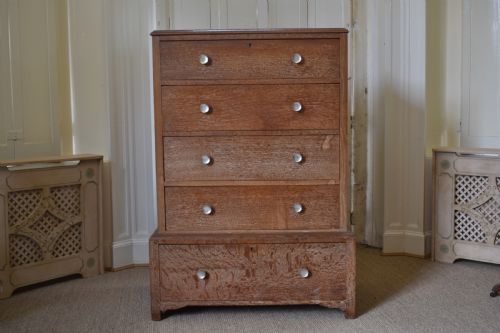
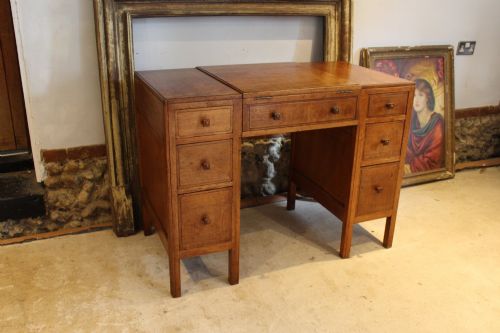
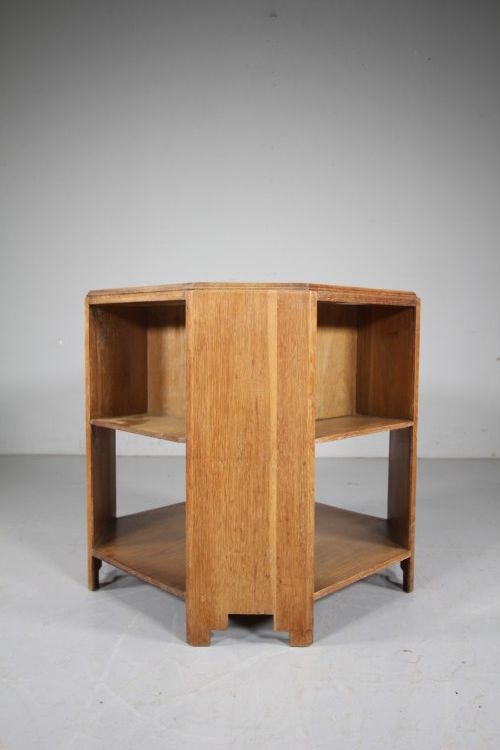
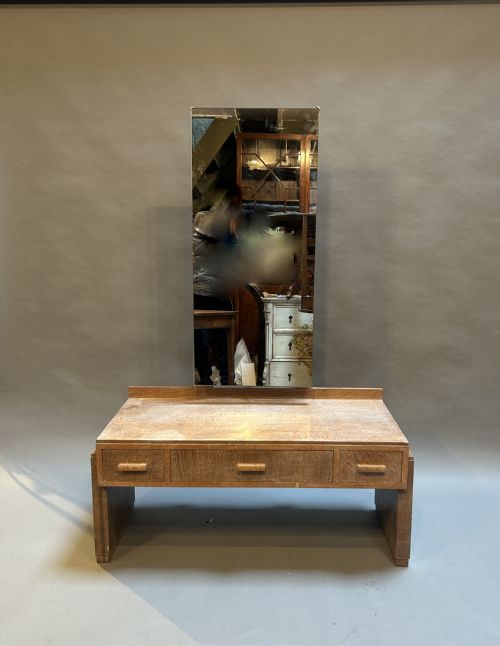
When you search for heals 1930s furniture, you encounter practical domestic items designed for everyday living during the interwar period. The selection on this page centres on bedroom and living space pieces created by the renowned London firm.
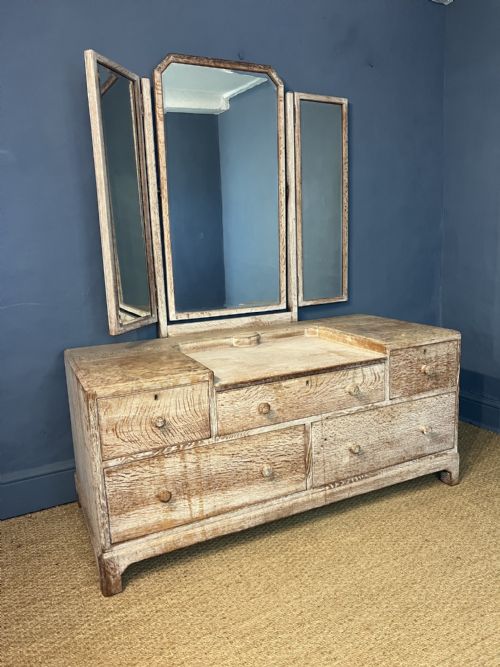
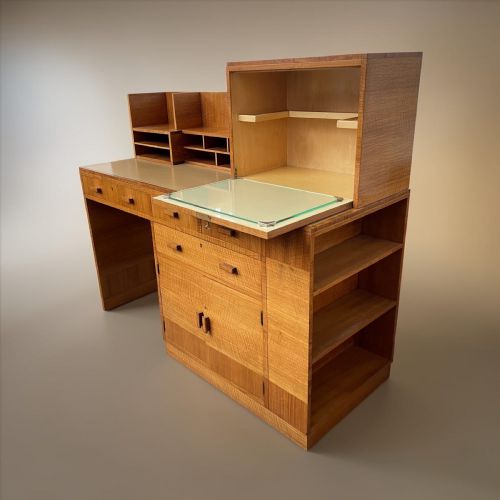
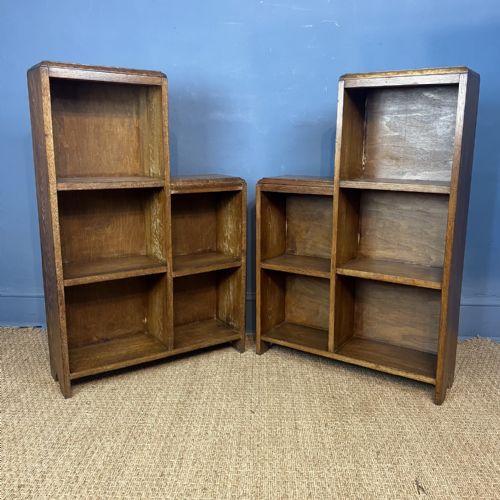
The most frequent finds include sturdy dressing tables, open bookcases, and writing desks produced in straightforward forms. These objects reflect the transition away from heavy Victorian ornamentation towards lighter, more functional domestic interiors.
Makers working within this idiom focused on utility without sacrificing proportion or finish. Buyers meet both dining and bedroom pieces that demonstrate the firm's characteristic restraint and attention to grain.
How they were made
Construction relies heavily on native timbers such as oak, walnut, and satin birchwood, selected for their natural figure rather than applied decoration. Limed oak finishes appear frequently, achieved by rubbing a white pigment into the grain to lighten the timber surface.
Alternative materials include bentwood for seating frames and glass for cabinet doors or table surfaces. Joinery is neat and purposeful, designed to withstand daily use while maintaining crisp architectural lines.
Materials recorded in these listings include oak, limed oak, walnut, satin birchwood, glass, and bentwood.
What varies in quality
Differences in standard depend largely on the selection of timber veneers and the crispness of the original finish. Pieces featuring carefully matched grain patterns or specialised treatments like limed oak command greater attention from collectors.
Proportion and structural integrity also separate standard production items from more ambitious bespoke commissions. Subtle details in hardware, drawer construction, and edge profiling define the upper tier of this design tradition.
Heal and Sons·Heal's
The Heals 1930s Furniture Glossary
- Limed oak
- A wood finishing technique where white pigment is worked into open oak pores to create a pale, scrubbed appearance. This finish was heavily championed by Heal and Sons during the interwar decades.
- Bentwood
- Timber softened by steam and bent into curved structural forms, commonly utilised for chair frames. This method creates strong, lightweight furniture with flowing continuous lines.
- Art Deco
- A design style spanning the interwar period characterised by streamlined shapes, geometric ornamentation, and modern industrial materials. It replaced the more organic curves of earlier decorative movements.
- Tallboy
- A tall chest of drawers or wardrobe combining generous storage capacity with a compact floor footprint. These units suit smaller urban rooms where vertical space is at a premium.
Heals 1930s Furniture: Frequently Asked Questions
How do I identify genuine pieces?
Authentic items often bear maker paper labels, stamped drawer linings, or distinct catalogued proportions associated with the London retailer.
Examination of timber selection and interior construction details further confirms the origin.
What rooms suit these designs?
These compact desks, bookcases, and tables integrate easily into modern bedrooms, studies, or living areas.
Their restrained forms prevent them from overwhelming smaller contemporary spaces.
How should I care for limed oak?
Maintain the pale finish by dusting regularly with a dry cloth and avoiding harsh chemical polishes.
Keep wooden surfaces away from direct heat sources and strong sunlight to prevent drying.
Are these items practical for daily use?
Interwar domestic furniture was built for functional utility, offering sensible storage and sturdy work surfaces.
Drawers, doors, and writing ledges remain well-suited for everyday modern routines.