


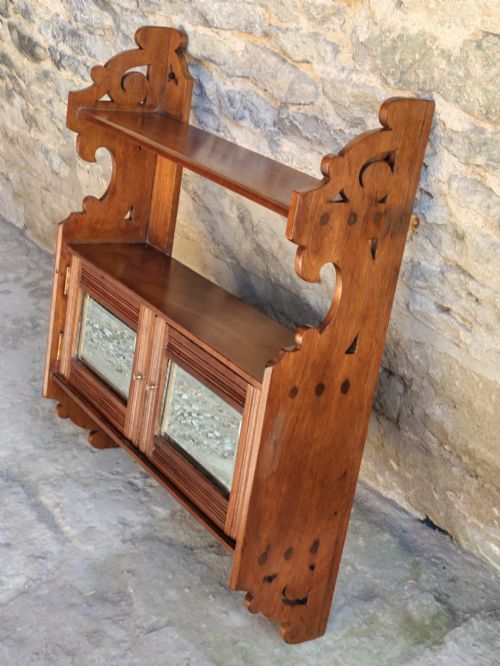

Hanging Spice Cabinet
A hanging spice cabinet mounts to the wall to keep seasonings close at hand while adding timber character to a kitchen.
Hanging Spice Cabinet
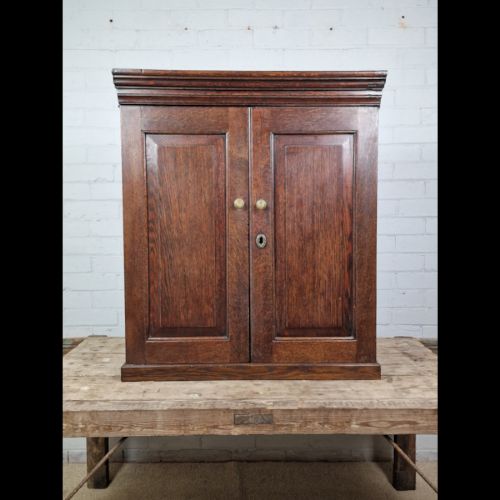
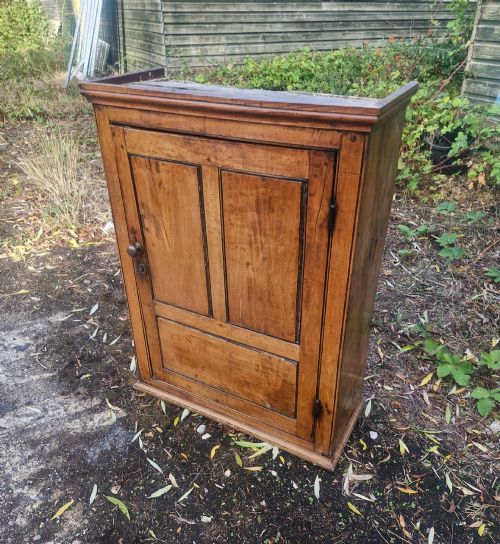
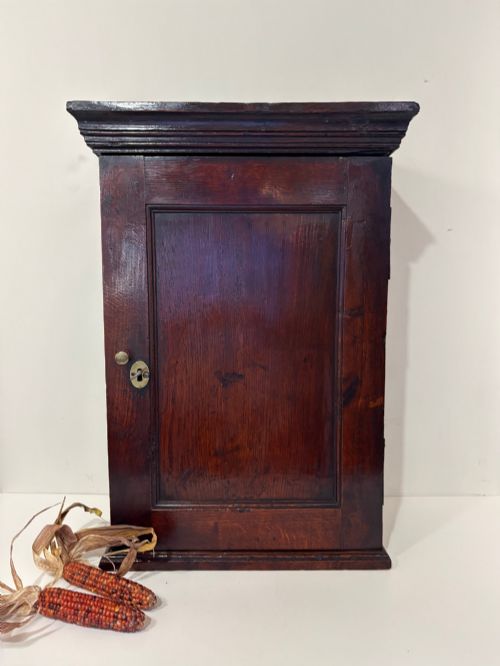
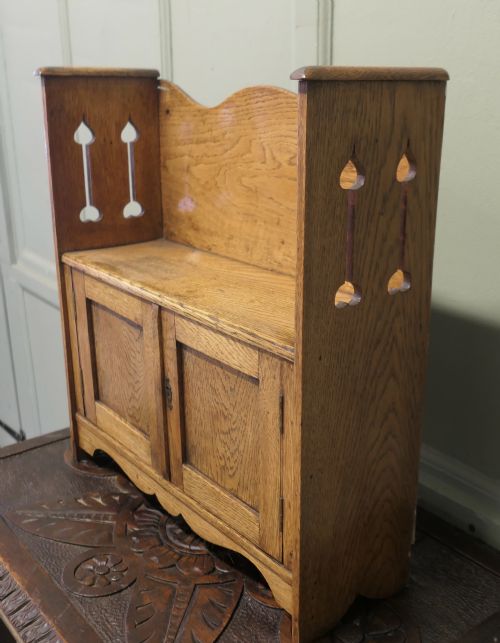
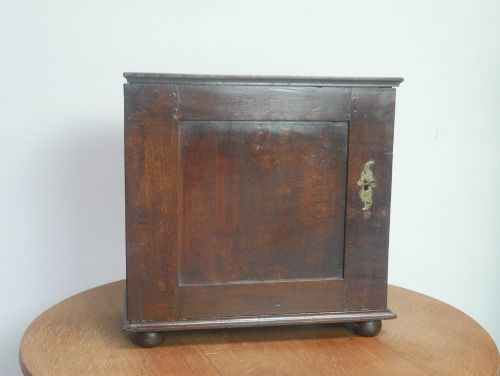
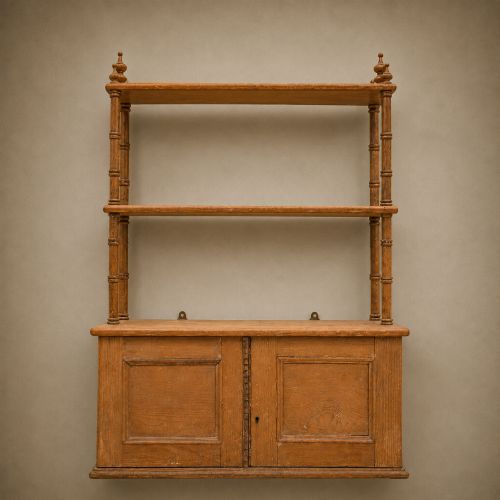
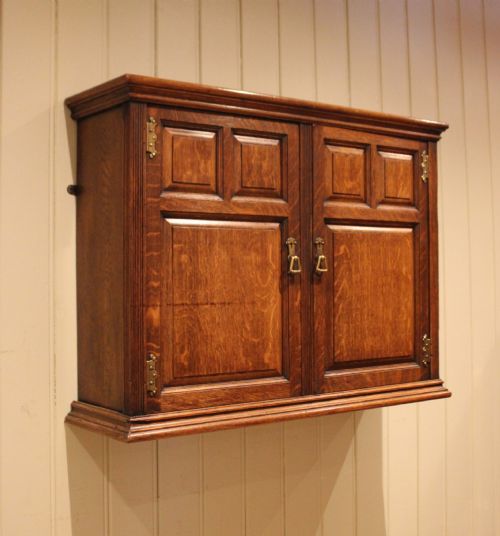
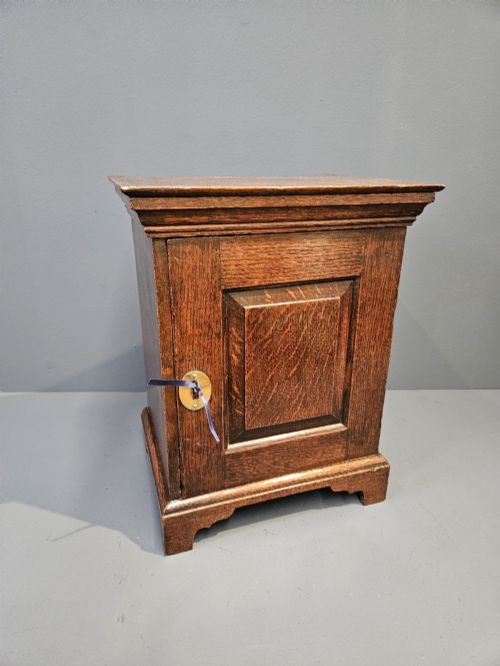
A hanging spice cabinet is a small wall-mounted storage piece designed to keep culinary provisions within reach. When exploring a hanging spice cabinet selection, the most common pieces encountered originate in the eighteenth and nineteenth centuries, often taking the form of compact wall cupboards or spice boxes.
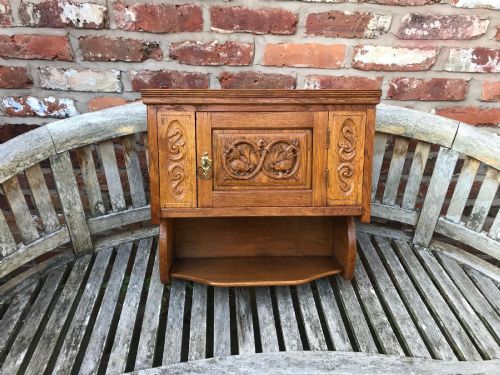
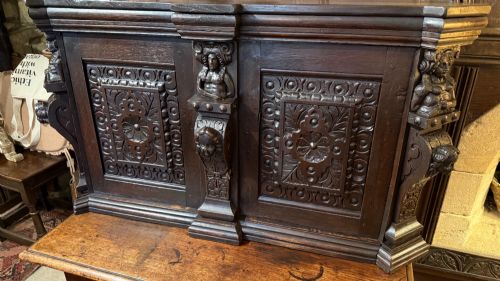
Makers shaped these utilitarian domestic items in solid oak, pine, and mahogany, reflecting vernacular traditions from Georgian England through to Scandinavian country workshops. Surviving examples range from plain provincial work to pieces decorated with carving, paint, or inlay.
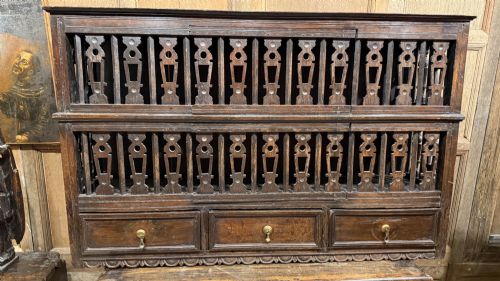
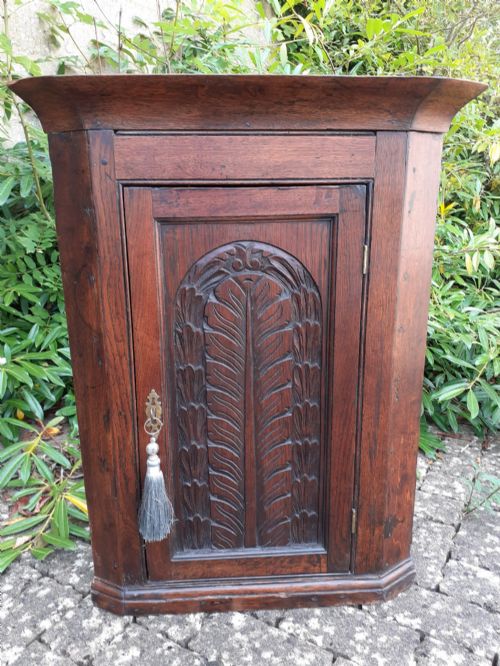
Buyers frequently find corner cupboards and small wall cabinets that served similar storage roles in domestic interiors. These pieces retain the functional compact proportions required for hanging on kitchen or pantry walls.
Materials and construction
Cabinet makers built these small wall cupboards primarily using native timbers such as oak, pine, and mahogany. These woods provided the structural integrity needed for hanging furniture that held heavy contents.
Joinery techniques relied on traditional methods like panelled doors, pegged frames, and hand-cut dovetails for internal drawers. Workshops integrated wrought iron or brass hinges and latches to secure the doors.
Some tiny eighteenth-century spice boxes retain traces of pungent aromatic herbs embedded in their oak grain after centuries of culinary service.
Assessing quality and craftsmanship
The standard of a hanging spice cabinet depends on the selection of timber and the precision of the joinery. Superior examples display carefully chosen grain, tight joints, and original hardware.
Carving depth and decorative inlay separate standard utilitarian boxes from finer regional expressions. Pieces retaining early or original paint surfaces hold distinct interest for collectors of country furniture.
The Hanging Spice Cabinet Glossary
- Spice cupboard
- A small wall-mounted timber cabinet specifically partitioned for storing dried herbs and spices. These compact units usually feature a single hinged door and occasionally small internal drawers.
- Vernacular furniture
- Domestic objects built by local craftspeople for everyday use rather than following metropolitan academic designs. These pieces often employ regional timbers and traditional construction methods unique to their locality.
- Tambour
- A flexible door constructed from narrow vertical strips of wood glued to a canvas backing. This mechanism slides in curved grooves to open and close corner cupboards without needing exterior door swing clearance.
- Escutcheon
- A protective metal plate surrounding a keyhole. On these cabinets, brass or iron escutcheons prevent the wood around the lock from splitting during daily use.
- Dovetail
- An interlocking joint formed by interlocking wedge-shaped fingers. Hand-cut dovetails on internal drawers indicate traditional cabinet making standards.
Hanging Spice Cabinet: Frequently Asked Questions
How do I hang an antique spice cabinet safely?
These wall-mounted pieces require secure fixings into structural wall studs or masonry rather than relying solely on old hanging loops. Check the internal backboards to ensure the timber remains strong enough to support the weight.
Distributing the weight evenly prevents stress on original joints and historic backboards during daily use.
What periods do these wall cupboards come from?
The selection spans from the late seventeenth century through the Georgian and Victorian eras up to the Edwardian period. Eighteenth-century examples frequently feature solid oak and straightforward vernacular construction.
Later nineteenth-century pieces introduce painted Scandinavian finishes, mahogany, and diverse regional styles including Arts and Crafts designs.
Were these cabinets only used for spices?
While designated as spice cupboards or boxes, historic households utilised these small wall cabinets for numerous valuable provisions and medical ingredients. Their secure doors kept precious ingredients protected from dampness and pests in busy kitchens.
Some variants incorporated small internal drawers specifically designed for keeping recipes, receipts, or small household tools alongside dry goods.
How do I identify a Georgian spice cabinet?
Georgian pieces typically present in solid oak or mahogany with architectural mouldings and fielded panel doors. They often showcase hand-cut dovetailing on internal small drawers and period brass H-hinges.
Proportions remain compact and functional, reflecting the domestic requirements of eighteenth-century rural and urban homes.