


Hanging Glass Fixture
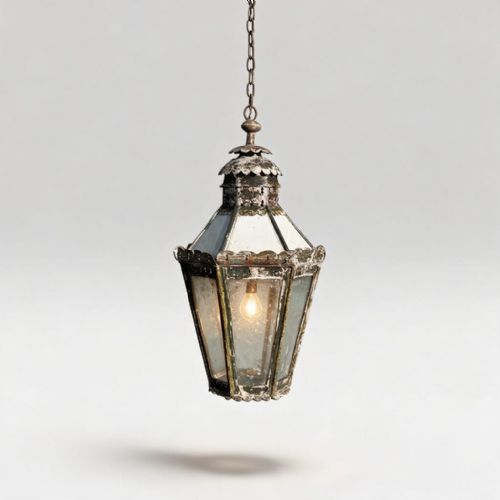
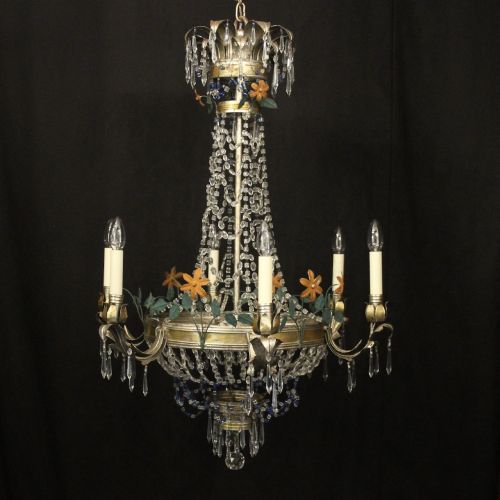
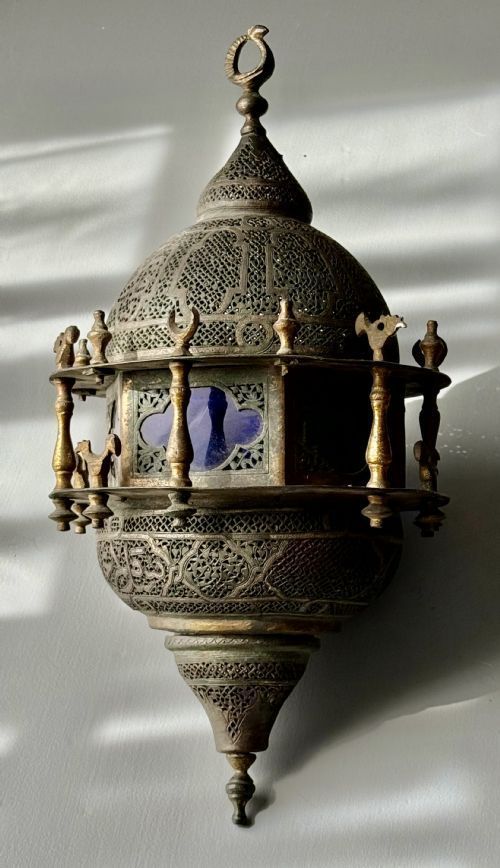
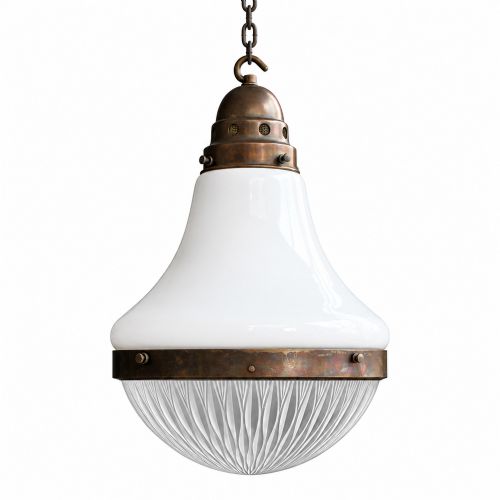
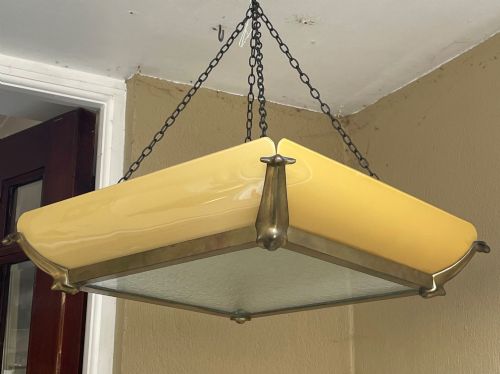
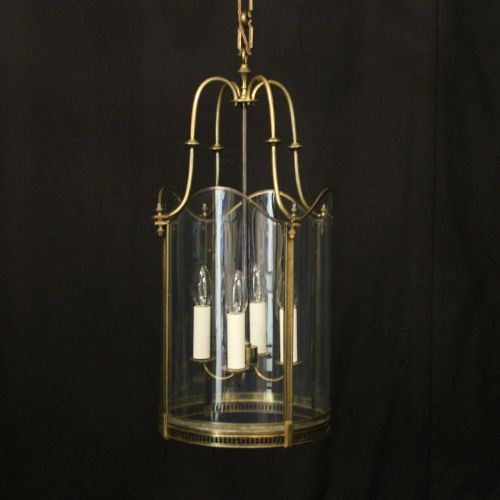
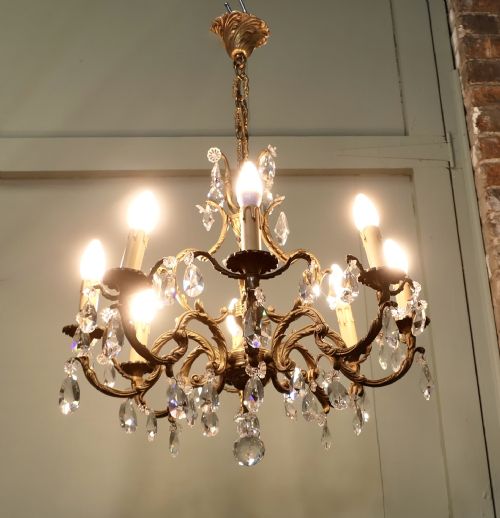
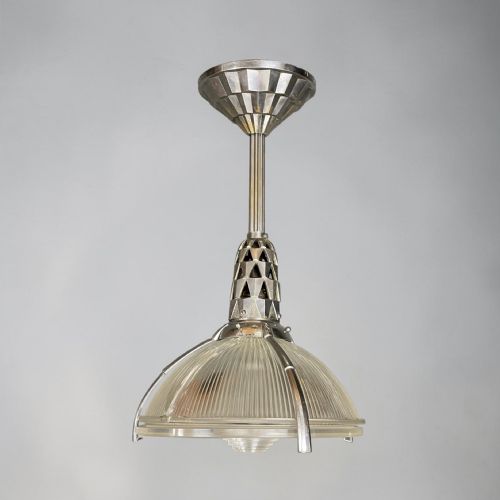
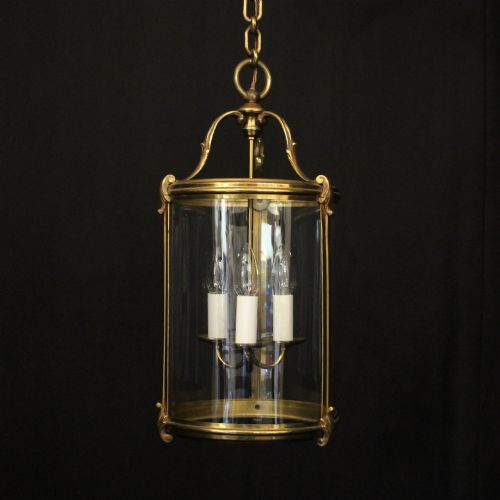
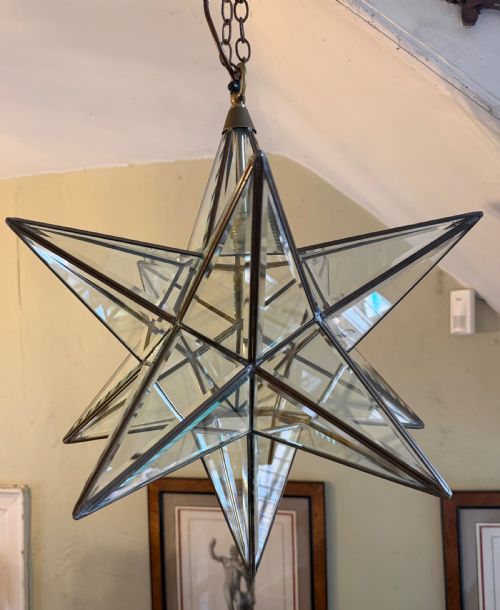
A hanging glass fixture brings architectural illumination overhead, combining metal frames with reflective panels and crystal drops.
Hanging Glass Fixture
A hanging glass fixture encompasses chandeliers, pendant lights, hall lanterns and ceiling lights suspended from above. When you search for a hanging glass fixture, you encounter pieces designed to illuminate rooms, hallways and entryways from the ceiling.
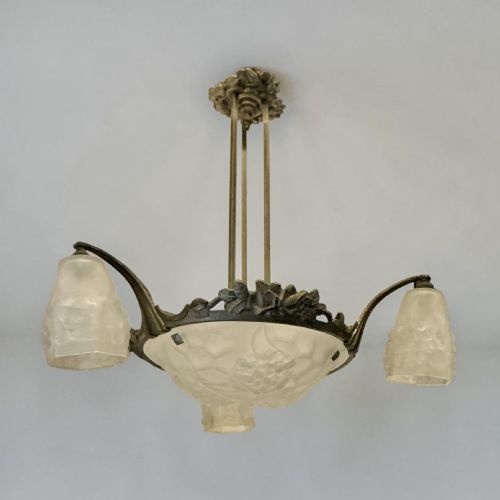
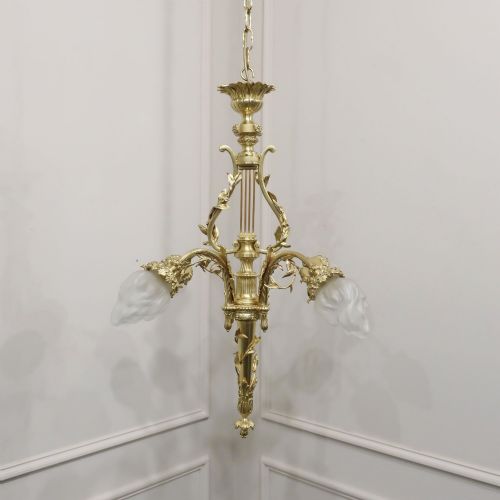
The selections span the nineteenth century, the Edwardian era, the nineteen-tens, nineteen-twenties and nineteen-thirties. Forms range from French gilded bronze lanterns and multi-light chandeliers to English moonstone lights, Arts and Crafts pendants and leaded glass porch lanterns.
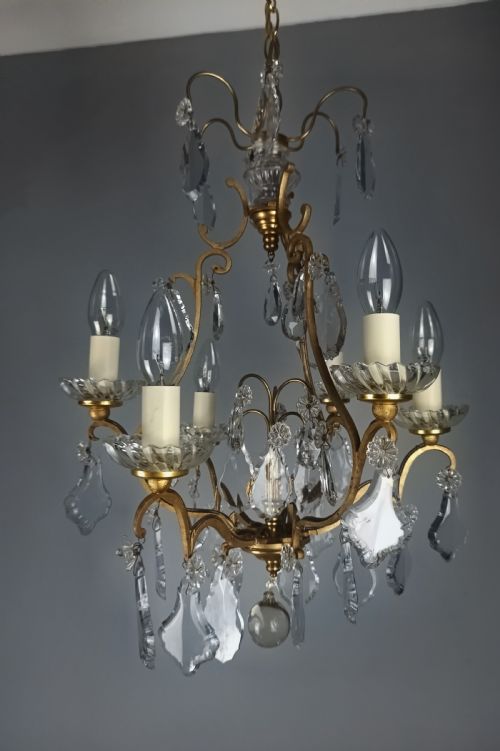
French Chateau, Neoclassical, Rococo, Art Deco and Victorian Gothic styles predominate among the origins and designs. Buyers most frequently meet nineteen-twenties French gilt bronze and crystal pieces alongside English brass and glass pendants.
Construction and Materials
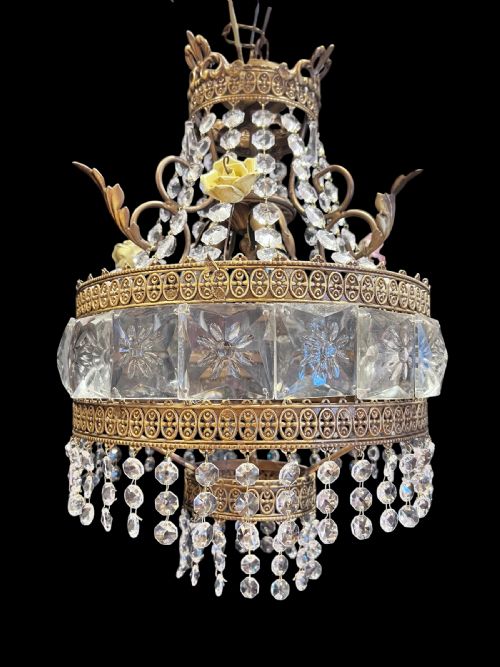
Frames rely on brass, bronze, copper and gilt metal, shaped into circular hoops, hexagonal cages and structural arms. Metals are cast, chased or silver-gilt, providing a robust skeleton to support the glass elements.
Glass components take the form of cut crystals, opaline panes, moonstone shades, bevelled glass plates and leaded stained glass. Artisans combine these materials with porcelain flowers, toleware and amber crystal teardrops to diffuse and refract light.
Listings feature brass, bronze, and gilt metal paired with cut crystal, opaline, and moonstone glass across Victorian and twentieth-century periods.
Evaluating Quality and Craftsmanship
Quality rests in the precision of the metal casting and the clarity of the glass. Finer pieces display crisp chasing on gilt bronze frames and heavy hand-cut crystal drops that scatter light cleanly.
Design integration separates standard fixtures from superior examples, visible in harmonised proportions, original shades and detailed embellishments like bevelled panels or painted glass accents.
Émile-Jacques Ruhlmann
The Hanging Glass Fixture Glossary
- Plafonnier
- A ceiling-mounted bowl light or flush pendant light. This French term typically describes fixtures sitting close to the ceiling plane.
- Toleware
- Painted or lacquered sheet metal used for decorative components. It frequently appears in coloured accents on chandeliers and lanterns.
- Moonstone glass
- A type of opalescent glass with a soft, milky appearance. It diffuses illumination evenly across the room.
- Gilt bronze
- Bronze treated with a gold wash or mercury gilding. Also known as ormolu, it provides a durable metallic finish.
- Cut glass
- Glass shaped by grinding and polishing facets onto the surface. This technique maximises the sparkle of pendants and shades.
Hanging Glass Fixture: Frequently Asked Questions
What is a hanging glass fixture?
A hanging glass fixture is any overhead lighting piece suspended by a chain, rod or cord that incorporates glass shades, panels or crystal drops. These items provide functional illumination while serving as decorative architectural elements in a room.
They include chandeliers, hall lanterns, ceiling lights and pendant fixtures spanning multiple historical periods and aesthetic movements.
How do I style a hanging glass fixture today?
Integrating these pieces into modern spaces involves matching the scale of the fixture to the dimensions of the room and ceiling height. Placing a lantern in an entrance hall creates an immediate focal point.
Pairing period brass and crystal designs with contemporary or traditional furnishings adds textural contrast and historical character to an interior.
How can I tell the period of a fixture?
Dating relies on examining the combination of materials, construction methods and stylistic motifs present in the frame and glass. Edwardian and Victorian pieces often feature heavy brass and leaded glass, whereas nineteen-twenties designs frequently showcase Art Deco geometries or French gilt bronze.
Analysing screw types, wiring channels and metal patina further clarifies the era of manufacture.