




Handwoven Tapestry Art
Handwoven tapestry art brings centuries of textile tradition into modern spaces, offering rich textures and historic narratives that transform bare walls.
Handwoven Tapestry Art
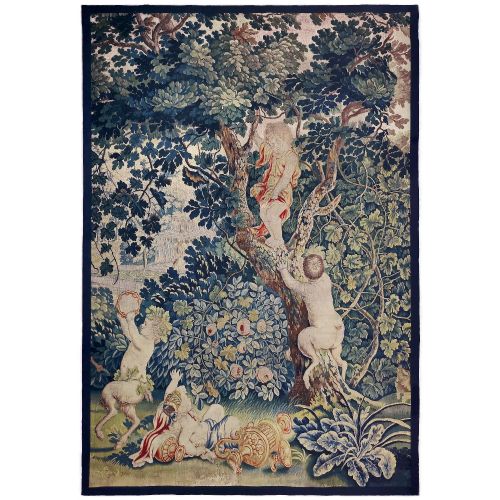
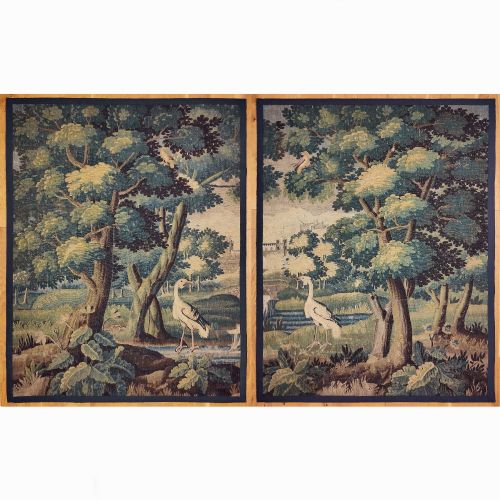
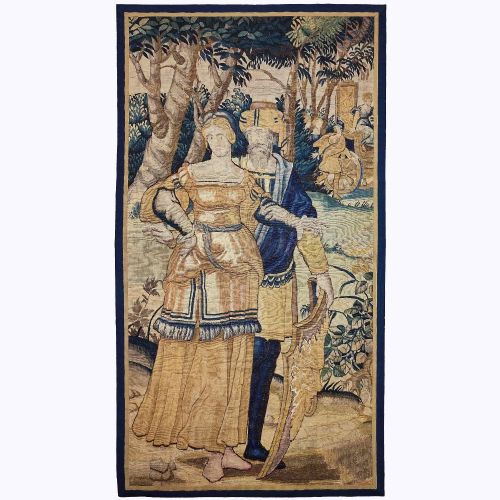
Handwoven tapestry art encompasses a diverse range of historic textiles, wall hangings, and decorative panels produced across Europe and Asia. Buyers searching for handwoven tapestry art will encounter everything from early European verdure panels to Central Asian flatweaves and folk textiles.
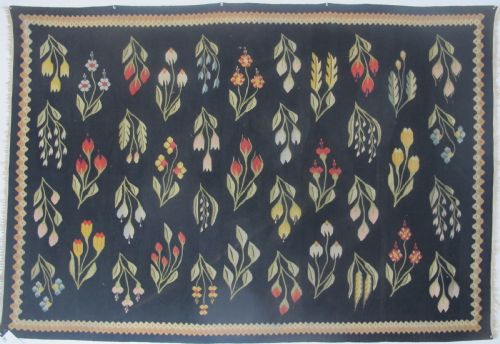
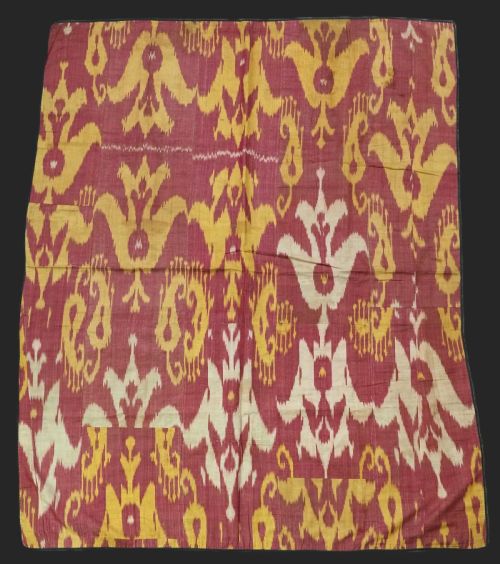
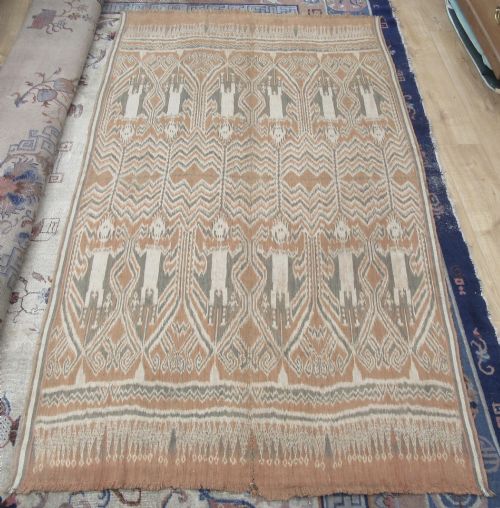
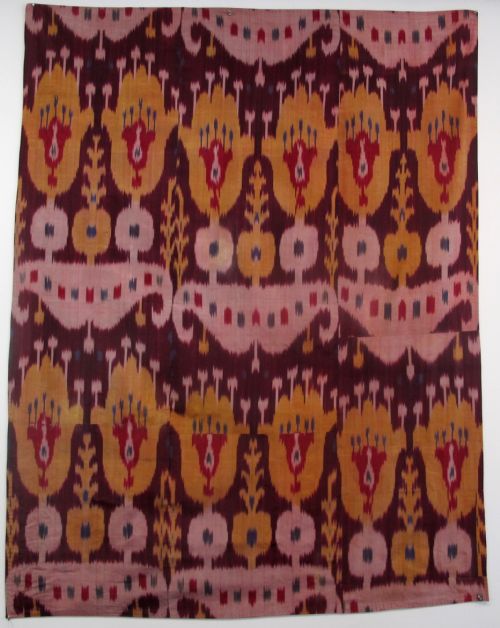
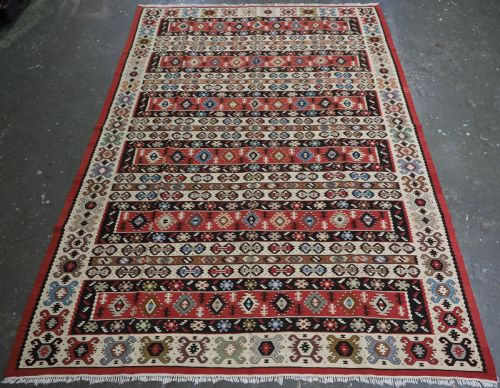
The selection on this page leans heavily towards regional folk traditions and early twentieth-century textiles, including Uzbek ikat panels, Turkmen tribal weaves, and Balkan kilims. These pieces serve primarily as striking wall decor, bringing authentic cultural heritage and textile craftsmanship directly into domestic interiors.
How they were made
These textiles rely on natural fibres such as wool, silk, cotton, and linen, often spun by hand before weaving. Artisans utilised traditional wooden looms and needlepoint techniques to construct dense, durable structures.
Colour comes from natural dyes derived from plants and minerals, creating rich, saturated tones that mature gracefully over decades of light and air exposure. Canvas foundations and sturdy wool warps support complex pictorial or geometric designs executed by skilled regional makers.
Handwoven Tapestry Art Retail Price Guide 2026
Typical asking prices for handwoven tapestry art among the pieces listed under this phrase on Sellingantiques today, from the lower quarter to the upper quarter. They describe what is for sale here now, not the wider market.
Current listings span periods from the sixteenth century through the mid-twentieth century, utilising wool, silk, linen, and natural dyes across multiple regional styles.
What varies in quality
Quality in these textiles rests upon the integrity of the weave, the vibrancy and stability of the natural dyes, and the preservation of the original fibre structure. Pieces retaining their full panel dimensions and strong structural tension demonstrate superior craftsmanship.
The sophistication of the design execution and the complexity of the regional motifs further separate standard examples from exceptional ones. Finer work shows meticulous attention to detail in the repeat patterns and pictorial elements.
The Handwoven Tapestry Art Glossary
- Ikat
- A dyeing technique where yarns are tie-dyed before weaving to create intricate patterns with characteristic feathered edges. This method requires immense precision from the weaver to align the motifs correctly during production.
- Kilim
- A flatwoven carpet or tapestry produced without a pile, common in Balkan and Eastern European folk traditions. These pieces utilise slit-weave techniques that produce sharp geometric designs.
- Verdure
- A style of tapestry featuring a predominant landscape or botanical theme, often dominated by lush foliage and trees. Seventeenth-century examples frequently depict stylised woodlands and distant chateaux.
- Suzani
- A type of embroidered tribal textile originating from Central Asia, traditionally made by brides as part of their dowry. They display bold floral designs worked in silk or cotton thread on a fabric ground.
Handwoven Tapestry Art: Frequently Asked Questions
How do I hang a heavy tapestry?
Heavy panels and rugs require weight distribution across a custom wooden batten or a hidden sleeve sewn to the reverse. Avoid hanging textiles directly from single points that place undue stress on fragile historic fibres.
Ensure the support system transfers the load evenly along the top edge so the piece hangs flat without distorting the weave structure.
Can I wash antique textile panels?
Water cleaning can destabilize historic dyes and weaken old cotton, wool, or silk fibres beyond repair. Professional textile conservation cleaning is the only safe method for soiled pieces.
Routine maintenance should be restricted to very gentle surface vacuuming through a protective mesh screen on a low suction setting.
How do I identify a regional folk weave?
Regional identification relies on studying the specific motif vocabulary, colour palettes, and structural techniques characteristic of areas like Pirot, Bukhara, or the Flemish weaving centres. Each region employed distinct loom widths and spinning methods.
Comparing edge finishes and dye behaviours against documented examples helps narrow down the geographic origin and production period.
Are these pieces suitable for sunny rooms?
Natural dyes used in older textiles remain sensitive to prolonged ultraviolet exposure, which can fade rich tones over time. Positioning these artworks away from direct sunlight preserves their original coloration.
Using UV-filtering glass if framing the smaller panels provides an extra layer of protection against environmental fading.