





Handwoven Silk Textile
When you handle a handwoven silk textile, you touch centuries of precise labour and extraordinary dye work.
Handwoven Silk Textile
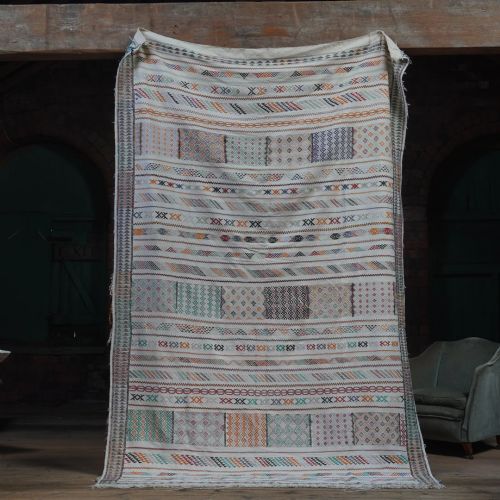
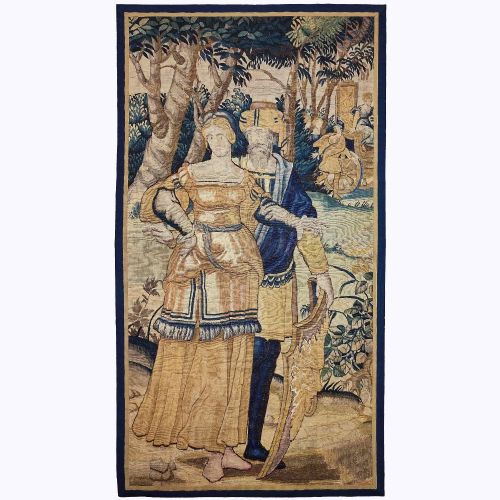
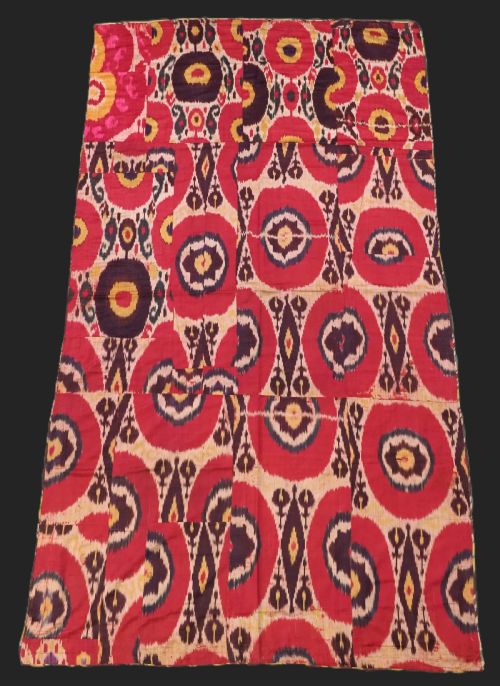
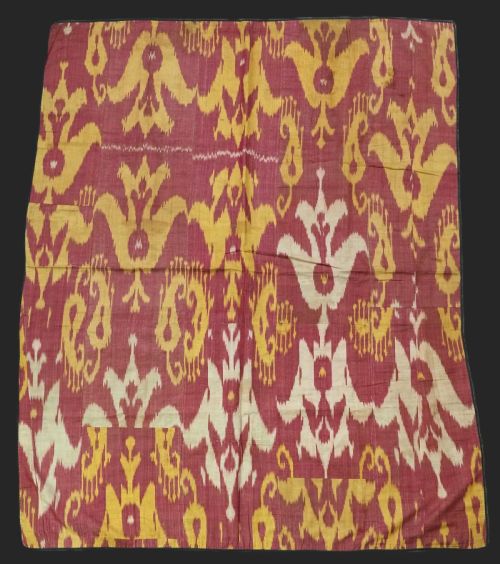
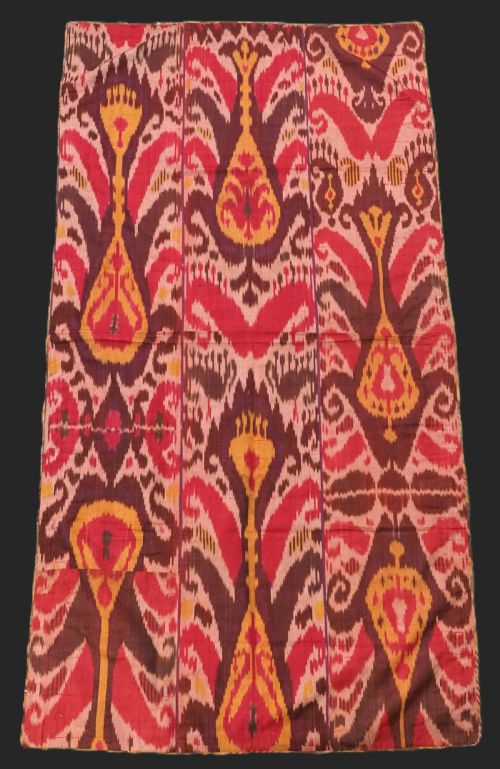
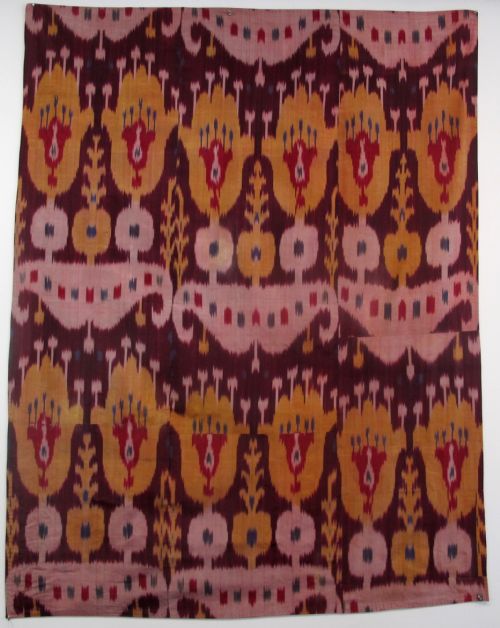
A handwoven silk textile brings together diverse traditions, ranging from Central Asian ikat panels and gentleman's coats to Flemish tapestry panels and Moroccan kilim rugs. You are most likely to encounter Central Asian ikats from the nineteenth century, particularly fabric panels and coats originating from Bukhara and Samarkand.
The selection encompasses wall hangings, rugs, purses, and garments such as the quilted chapan and khalat. These textiles display distinct regional designs, from floral suzanis on red grounds to intricate geometric patterns.
Origins stretch from nineteenth century Uzbekistan and Morocco to sixteenth century Flanders. Each piece reflects the specific textile traditions and utilitarian or decorative needs of its maker.
How they were made
Makers utilised silk, semi silk adras, cotton, wool, and sabra cactus fibre, sometimes embellishing the work with glass beads. Threads were often tie-dyed before weaving to create the characteristic blurred edges of ikat designs.
Garments like the chapan were quilted and padded for winter use, combining structural warmth with decorative impact. Panels and wall hangings relied on careful handloom weaving to maintain precise geometric and floral motifs.
Handwoven Silk Textile Retail Price Guide 2026
Typical asking prices for handwoven silk textile among the pieces listed under this phrase on Sellingantiques today, from the lower quarter to the upper quarter. They describe what is for sale here now, not the wider market.
Listings feature textiles spanning from the sixteenth century to the nineteenth century, originating from Central Asia, Morocco, and Flanders.
What varies in quality
Quality rests upon the crispness of the dye work and the complexity of the weave, particularly how successfully the blurred resist-dyed patterns maintain their intended symmetry. Superior examples demonstrate exceptional control over the loom and vibrant, enduring colour pigments.
The condition of the fibres and the integrity of the stitching across panels and quilted garments determine the piece's endurance. Finer items retain dense, substantial silk structures and intact padding without excessive degradation to the original cloth.
The Handwoven Silk Textile Glossary
- Ikat
- A dyeing technique where yarns are tie-dyed prior to weaving to create distinctive feathered pattern edges. This method requires immense precision from the dyer and weaver to align the design.
- Suzani
- A traditional embroidered tribal wall hanging from Central Asia, usually worked in silk on a cotton or linen ground. These textiles frequently feature bold floral motifs.
- Khalat
- A long, loose-fitting gentleman's coat worn across Central Asia. They are often constructed from silk ikat fabrics and sometimes padded for warmth.
- Adras
- A traditional fabric woven with a silk warp and a cotton welt. It combines the lustre of silk with the practicality of cotton.
- Tapestry
- A form of textile art woven by hand on a loom, featuring pictorial designs. Historical examples often depict intricate figurative scenes.
Handwoven Silk Textile: Frequently Asked Questions
What is a handwoven silk textile?
These pieces are historic woven or embroidered items made primarily from silk and semi-silk materials, originating from regions such as Central Asia and Europe.
They include decorative wall panels, garments like coats, and smaller domestic accessories created by skilled artisans.
How were these textiles used historically?
Many items served practical daily functions as garments for warmth and status, while others functioned as decorative furnishings within homes.
Wall hangings and panels added insulation and colour to domestic interiors, whereas coats provided substantial winter protection.
How should I care for an antique textile?
Keep these delicate fabrics away from direct sunlight to prevent the natural dyes from fading over time. Display them away from high-moisture areas and handle them minimally to protect fragile silk fibres.
How can I tell the period of an ikat?
Dating relies on examining the characteristics of the natural dyes, the specific weave density, and traditional regional tailoring methods. Earlier nineteenth-century pieces often display distinct dye saturation and specific local motif structures.