



Handwoven Saddlebag Face
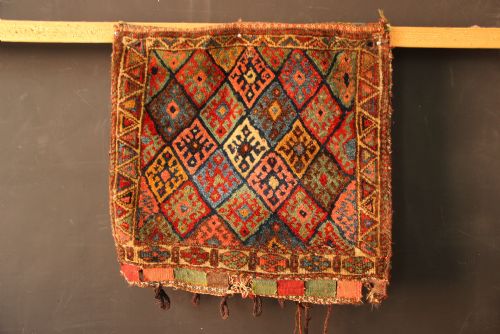
A handwoven saddlebag face brings bold tribal geometry and saturated wool into a modern room, offering a piece of nomadic textile art.
Handwoven Saddlebag Face
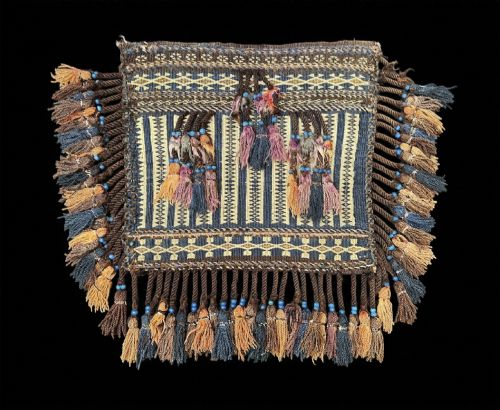
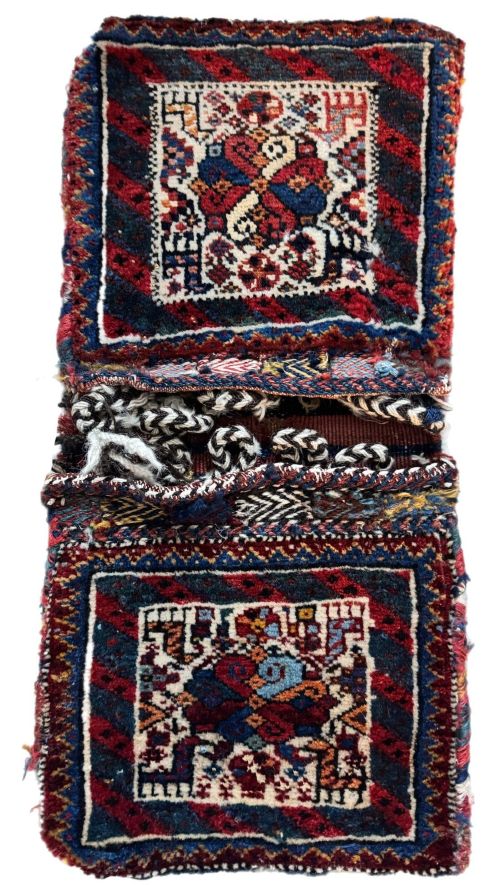
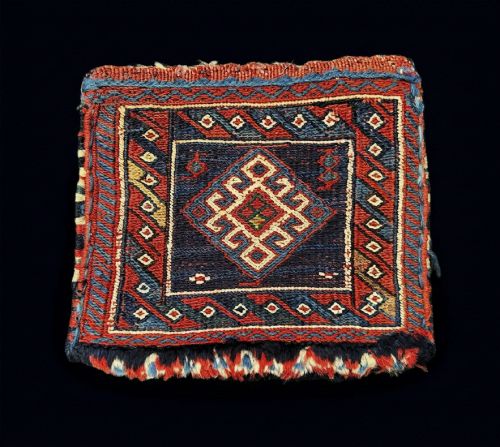
A handwoven saddlebag face represents the front panel of a traditional nomadic carrier, separated from its back and preserved as flat textile art. When exploring a handwoven saddlebag face, collectors encounter genuine tribal work originating from Persian and Central Asian groups such as the Qashqai, Bakhtiari, Shahsavan, and Afshar tribes.
The pieces listed on this page span the nineteenth century, with specific dates clustering around the 1880s, 1890s, and 1900. These surviving fragments display the distinct regional weaving traditions of western Persia, Fars province, and surrounding tribal territories.
Most examples function purely as decorative wall hangings or small floor displays today, having lost their original utilitarian function as pack animal containers. Buyers frequently find individual bag faces alongside complete examples that retain their plain weave backs and half saddle-bag configurations.
Materials and construction
Makers utilised hand-spun wool for the pile and structure, combining it with cotton foundations in specific regional styles. The reliance on natural dyes produces the deep, shifting tones characteristic of nineteenth-century nomadic weaving.
Weaving techniques vary from dense pile knots to banded weft work designs and flat-woven panels. Artisans executed intricate geometric patterns entirely from memory, reflecting tribal heritage in every line.
Handwoven Saddlebag Face Retail Price Guide 2026
Typical asking prices for handwoven saddlebag face among the pieces listed under this phrase on Sellingantiques today, from the lower quarter to the upper quarter. They describe what is for sale here now, not the wider market.
Nomadic weavers frequently incorporated intentional minor errors into their geometric patterns to ward off the evil eye.
Assessing quality and execution
Quality rests in the precision of the tribal design, the crispness of the wool handling, and the depth of the natural palette. Finer pieces demonstrate exceptionally tight knotting and sophisticated colour interaction across the surface.
The Handwoven Saddlebag Face Glossary
- Bag face
- The decorative front panel of a nomadic storage bag, separated from the reverse and displayed independently as a textile. This is the portion of the original khorjin that received the finest pictorial or geometric work.
- Khorjin
- The traditional Persian word for a double saddlebag used by nomadic tribes for transport and storage. These containers were draped over pack animals during seasonal migrations.
- Natural dye
- Colourants derived from plants, insects, and minerals rather than synthetic compounds. These dyes yield rich, complex hues that mellow gracefully over decades of light and air exposure.
- Plain weave
- A simple structural technique where warp and weft threads cross over and under each other alternately. This method appears on the backs and sides of bags to provide lightweight durability.
- Tribal weaving
- Textiles produced by nomadic or village communities following traditional patterns passed down through generations. These works prioritize indigenous motifs over urban workshop conventions.
Handwoven Saddlebag Face: Frequently Asked Questions
How were saddlebags used?
Nomadic tribes utilised these double bags to transport household possessions, grain, and personal items across difficult terrain on horses, donkeys, or camels.
The bags hung across the flanks of the animals during seasonal migrations and were often brought inside the tent to serve as storage chests when camp was established.
How do I hang a textile?
Mounting a textile safely requires distributing the weight evenly across the upper edge rather than piercing the fabric with nails or direct pins.
Conservation-grade velcro systems or custom fabric sleeves stitched along the top reverse allow the piece to hang flat against a wall without sustaining structural damage.
How do I identify tribal origins?
Specific motifs, colour combinations, and wool preparation point directly to particular tribal groups like the Qashqai, Afshar, or Bakhtiari.
Examining the selvages, end finishes, and structural foundation threads helps confirm whether a piece belongs to Persian, Caucasian, or Central Asian weaving traditions.
Are these pieces cleaned?
Textiles of this age accumulate dust and wool oils over decades of tribal use and subsequent storage.
Specialist textile cleaning removes embedded grit without disturbing the fragile natural dyes or weakening the historic hand-spun wool fibres.