

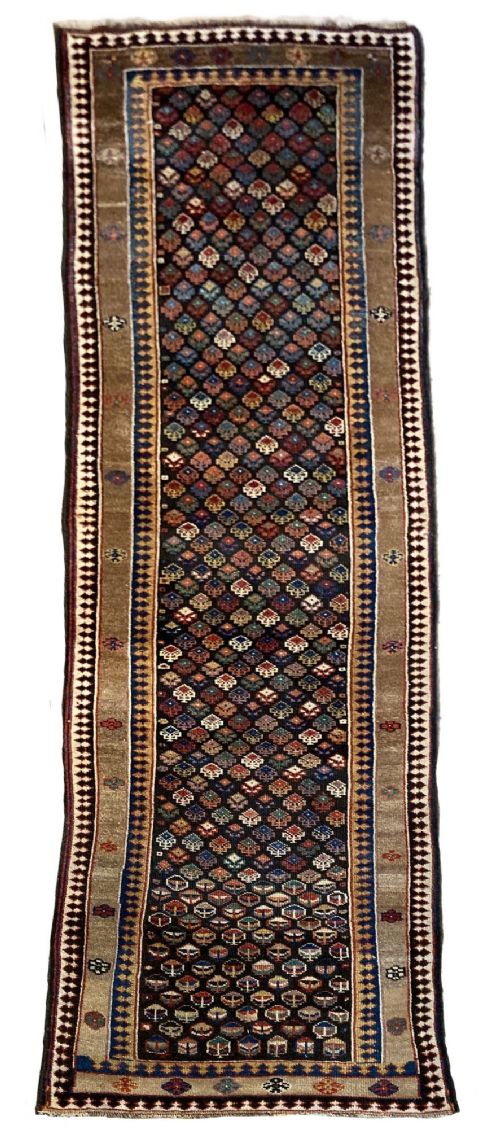


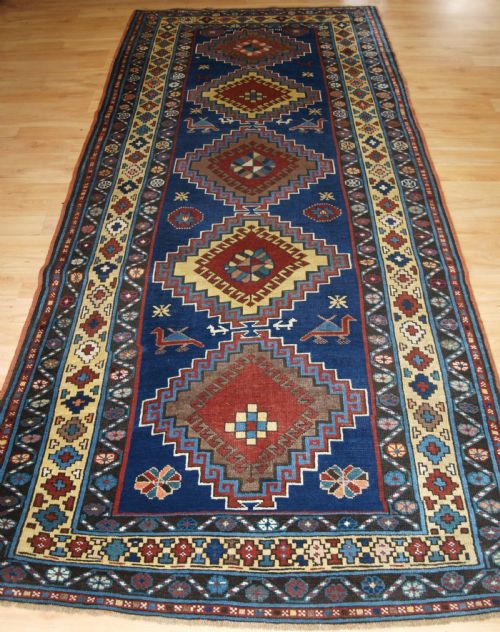


Handwoven Corridor Carpet
A handwoven corridor carpet brings warmth and structure to narrow spaces, drawing the eye along historic floor coverings shaped by tribal weavers.
Handwoven Corridor Carpet
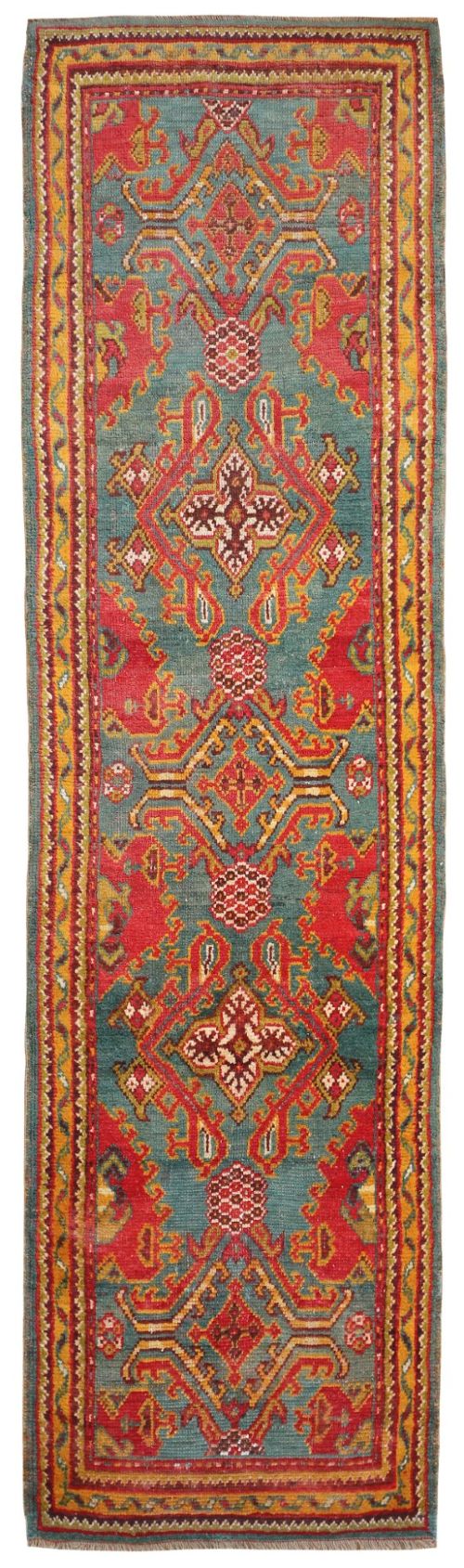
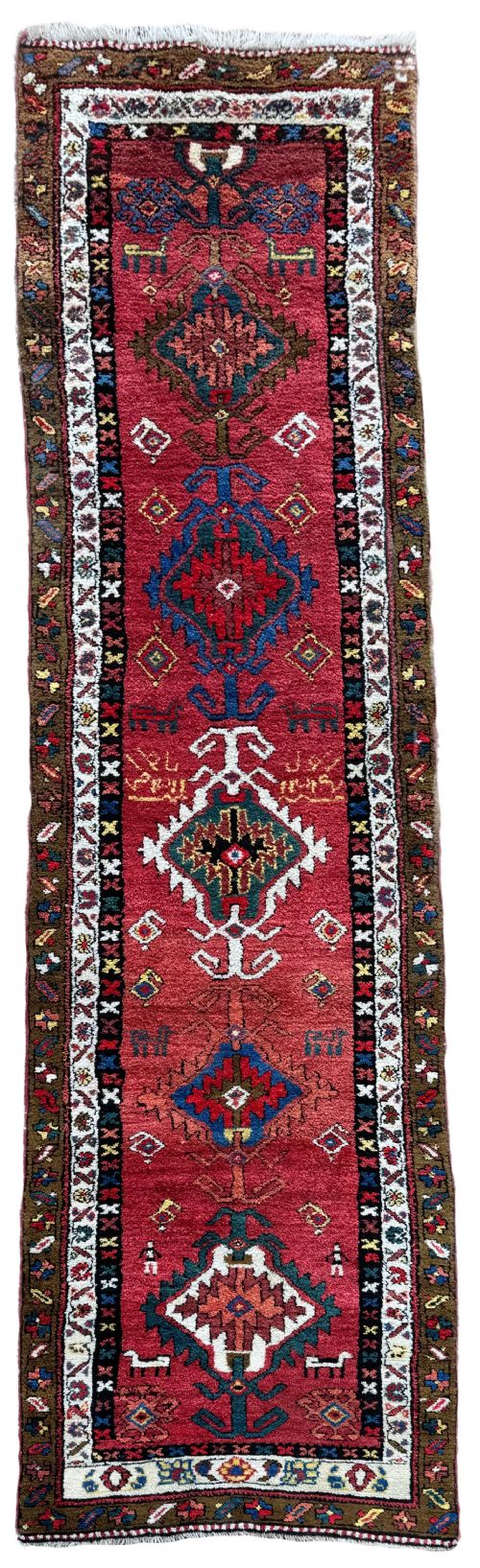
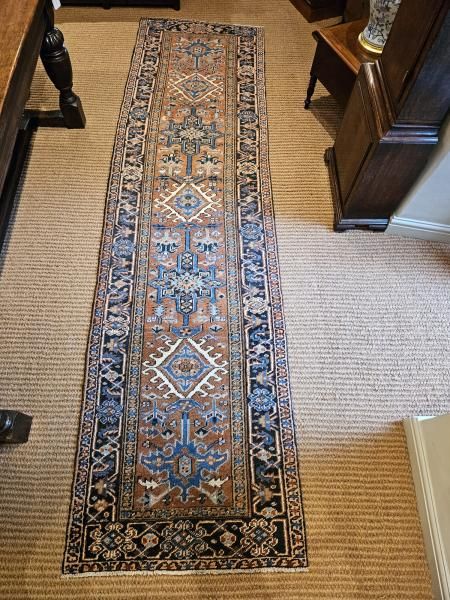
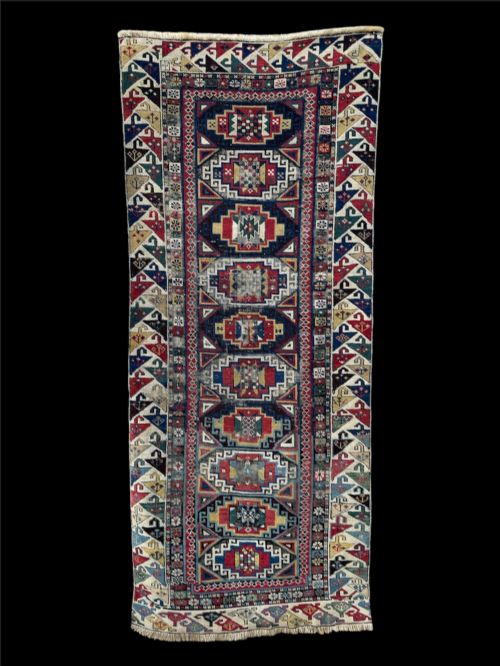
A handwoven corridor carpet, commonly found as a runner or long hallway rug, serves to protect and ornament passages within a home. These floor coverings span the late nineteenth century through to the early decades of the twentieth century, originating from Persian, Caucasian, Turkish, and Afghan traditions.
The pieces appearing here include specific regional types such as Heriz, Kurdish, Shirvan, Bakhtiar, and Kazak runners. Buyers meet narrow formats designed explicitly for corridors, halls, and stairways, woven by tribal and village artisans working in wool, cotton, and camel hair.
Makers ranged from nomadic groups to settled village workshops across Anatolia, Persia, and the Caucasus. Each rug reflects the distinct geometric or medallion vocabulary of its particular district, maintaining traditional motifs passed down through generations.
How they were made
Weavers constructed these carpets using wool for the pile, often combined with cotton foundations for stability and strength. Some pieces incorporate camel hair alongside standard wool yarns, adding natural tone variations to the finished pile.
The manual knotting process employed vertical looms set up in homes or village workshops. Artisans tied individual knots row by row, securing the structure with sturdy wool or cotton warps and wefts before trimming the pile to an even finish.
Several runners stretch past four metres in length, designed specifically to pacify echoing stone corridors.
What varies in quality
Quality in these floor coverings rests upon the density of the knotting and the precision of the geometric layout. Tighter knots allow intricate tribal motifs and medallion designs to remain crisp over decades of heavy foot traffic in corridors.
The choice of dyes and wool grade further distinguishes individual examples. Supple wool retaining natural lanolin combines with saturated, evenly absorbed colour to elevate the presence of the runner against the floorboards.
The Handwoven Corridor Carpet Glossary
- Runner
- A long, narrow carpet format specifically proportioned for hallways, corridors, and stairs. These pieces measure significantly longer than they are wide.
- Pile
- The upright yarn surface of a carpet formed by the cut ends of knots. This layer absorbs foot traffic and displays the woven design.
- Warp
- The vertical foundation threads stretched lengthwise on the loom before knotting begins. Wefts are then passed across these stationary threads.
- Kilim
- A flat-woven carpet or runner produced without a raised pile. These items rely on interlocking weft threads to form flat geometric patterns.
- Gul
- A medallion or repeated octagonal motif frequently seen in tribal weaving from the Caucasus and Central Asia. Each design often signifies a specific tribe or clan.
Handwoven Corridor Carpet: Frequently Asked Questions
Where should I place a runner?
These long carpets suit narrow spaces such as hallways, corridors, and entryways where foot traffic concentrates. Their elongated proportions guide movement through a home while protecting timber or tiled floors.
They also function effectively alongside long dining tables or beside bedroom furniture. The narrow format bridges separate rooms by adding texture and historic character to transitional passageways.
How do I care for wool runners?
Regular gentle vacuuming without a rotating brush bar keeps dust from settling into the wool pile. Professional cleaning by a specialist familiar with antique textiles preserves the natural dyes and fibres.
Using an appropriate underlay beneath the carpet prevents sliding on hard floors and reduces friction against the foundation threads. Keeping the piece out of harsh, direct sunlight protects the natural wool colours from fading prematurely.
Are these rugs suitable for busy halls?
Historic wool and cotton construction provides natural resilience against regular daily movement. Dense pile weaving withstands the demands of high-traffic corridors when paired with a supportive underlay.
Traditional village and tribal carpets were built for practical endurance in domestic settings. Their sturdy materials and tight knotting allow them to remain functional floor coverings over a century after their creation.
How are different regional styles told apart?
Regional identification relies on observing specific colour palettes, border arrangements, and repeating geometric motifs. Caucasian pieces frequently display sharp, angular polygons and primary hues, whereas Persian Heriz runners often feature bold central medallions.
Kurdish and Bakhtiar examples introduce distinct village patterns, while Anatolian rugs display traditional nomadic symbols. Comparing the overall design vocabulary against known regional groups clarifies the origin of each piece.