
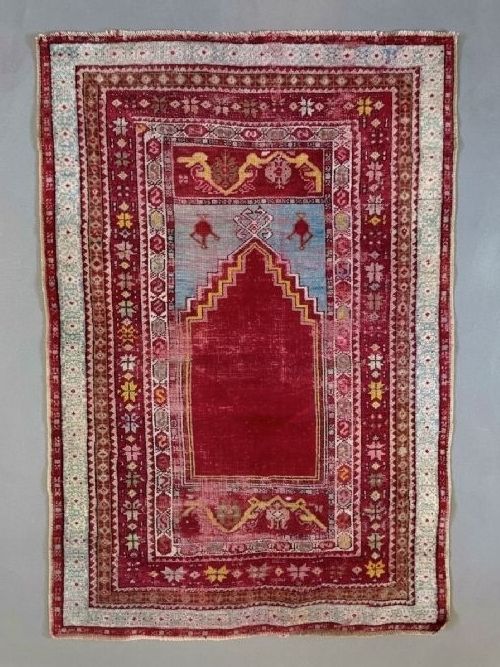


Handwoven Anatolian Carpet
When you search for a handwoven anatolian carpet, you enter a rich tradition of village and tribal textile making.
Handwoven Anatolian Carpet
A handwoven anatolian carpet brings centuries of regional weaving heritage directly into a domestic space, functioning both as floor covering and wall art. These textiles originate from various Anatolian towns, villages, and nomadic groups, encompassing diverse formats from large carpets to compact prayer rugs and runners.
The selections available here lean heavily toward pieces produced from the late nineteenth century up to around 1930. Buyers encounter traditional village rugs, flatwoven kilims, and specific regional types like Konya, Melas, and Ushak.
Village and tribal pieces dominate the selection, showing distinct local patterns rather than standardised city workshop designs. These range from geometric village runners to finely knotted prayer rugs tied to specific cultural practices.
What varies in quality
The finesse of the knotting and the complexity of the design define the upper tiers of these textiles. Finer foundational work allows for sharper geometric or floral motifs to emerge clearly across the surface.
The integrity and depth of the wool play a significant role in determining overall character. Softer, high-grade hand-spun wool retains resilience and ages with a rich patina that lesser materials fail to achieve.
Listings feature wool and cotton materials across periods spanning from the early nineteenth century to 1930.
The Handwoven Anatolian Carpet Glossary
- Kilim
- A flatwoven carpet or rug produced without a pile by tightly interweaving warp and weft strands. These textiles often feature sharp geometric patterns and lighter weights than knotted piled rugs.
- Prayer rug
- A small textile featuring a mihrab design or architectural arch motif indicating the direction of prayer. Historically used for personal devotion, these pieces often display concentrated symbolic ornamentation.
- Warp
- The vertical threads stretched tightly on the loom before weaving begins. They form the structural skeleton of the carpet and often show at the fringed ends.
- Weft
- The horizontal threads passed across and through the warp to hold the knots or flatweave in place. Beating down the weft tightly creates a dense, durable textile.
- Yastic
- A small traditional cushion or pillow face produced in Anatolian villages. These domestic items share the iconography and weaving techniques of larger carpets.
Handwoven Anatolian Carpet: Frequently Asked Questions
How do I clean a vintage carpet?
Gentle surface brushing and professional specialist cleaning preserve the natural fibres and dyes of antique textiles. Avoid harsh chemical detergents or immersion washing unless handled by an experienced conservator.
Regular low-suction vacuuming without a rotating brush bar helps remove embedded dust from the wool pile. Rotating the rug periodically ensures even wear across high-traffic floor areas.
Where were these rugs made?
Weavers produced these textiles across various regions of Anatolia, including Ushak, Konya, Melas, and Bergama. Each district developed distinct palette preferences and design vocabularies.
Nomadic tribes and settled village communities alike contributed to the diverse output found in the region. Local geography and available dye plants heavily influenced the visual outcome of each piece.
Are flatweaves durable?
Flatwoven kilims offer remarkable longevity when placed in suitable domestic environments with appropriate underlays. Their tight structural weave handles foot traffic well while remaining lightweight and flexible.
Using a quality rug pad underneath prevents slipping and cushions the textile against hard flooring. This simple addition significantly reduces internal fibre friction during daily use.
How can I tell age?
Dating relies on examining material characteristics, dye types, structural wear patterns, and stylistic execution. Natural hand-spun wool and specific regional motifs often point toward nineteenth or early twentieth-century production.
Structural irregularities resulting from hand-loomed production help distinguish older pieces from modern reproductions. Comparing knot density and edge finishes against known regional examples clarifies the timeline.