







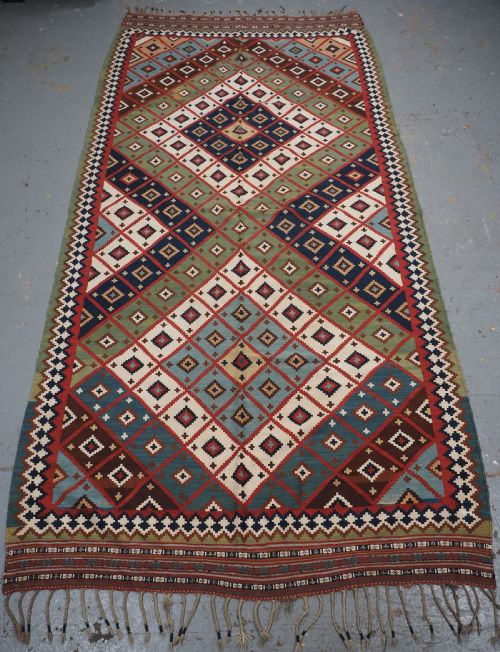

Handmade Oriental Carpet
A handmade oriental carpet brings centuries of nomadic and village weaving traditions straight to your floor.
Handmade Oriental Carpet
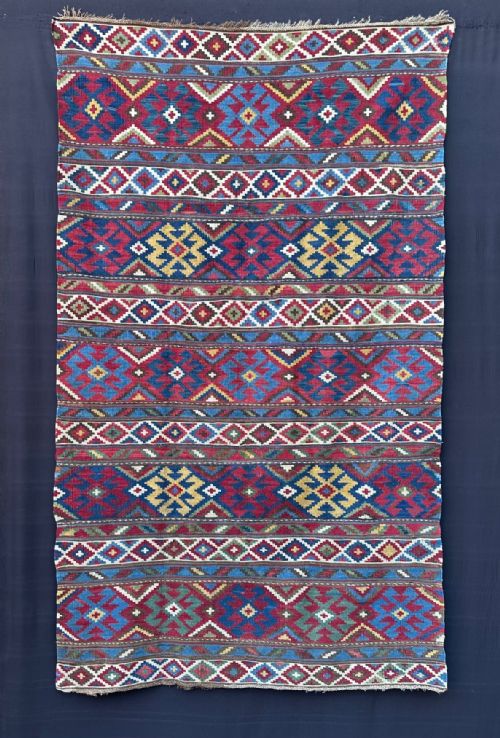
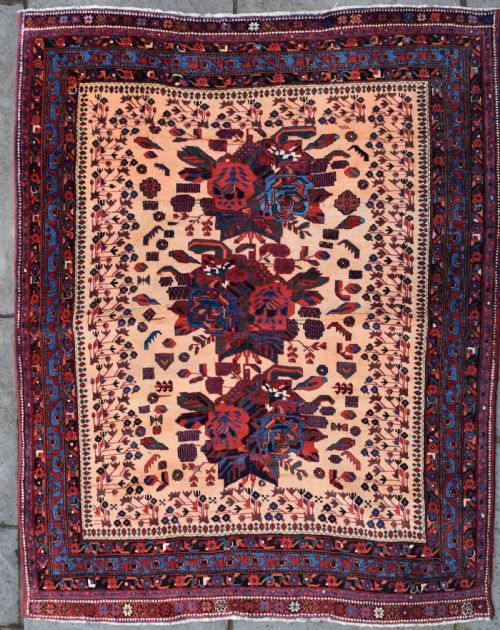
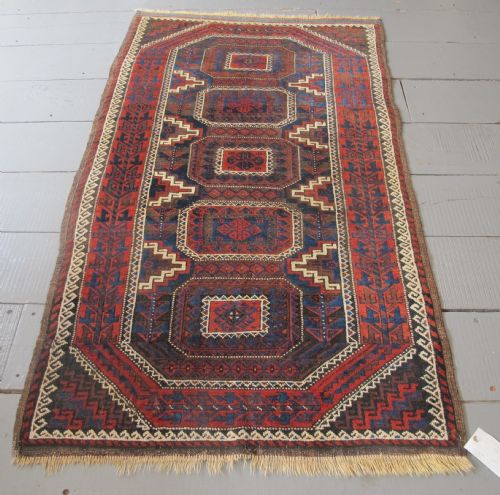
A handmade oriental carpet encompasses a rich variety of tribal, village, and regional textiles from the Caucasus, Persia, Anatolia, and Turkmenistan. These pieces range from small village prayer rugs and dowry hangings to room-sized area rugs created by weavers working within traditional geometric and floral vocabularies.
The selections encountered here span from the mid-nineteenth century through the early decades of the twentieth century. Examples such as Heriz, Karadja, Hamadan, and Qashqai rugs demonstrate the distinct patterns and palettes passed down through generations of makers in specific weaving regions.
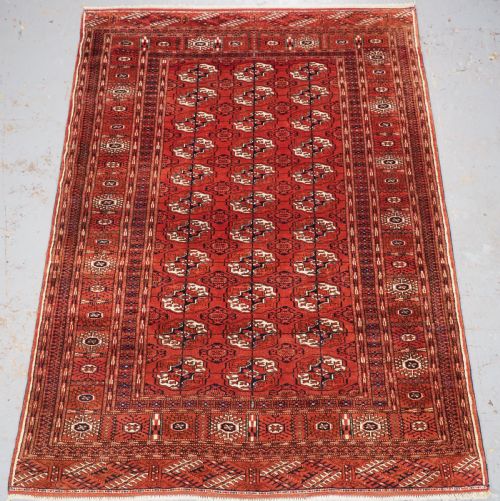
Tribal and nomadic groups, including the Tekke Turkmen, Yomut, and Baluch, produce smaller format weavings like torbas, chuval faces, and specific tribal kilims. These works rely on ancient motifs and tribal symbols that hold deep cultural significance for the communities that wove them.
Materials and construction
Traditional construction relies primarily on wool piles secured to cotton warp foundations, utilising hand-spun wool for durability and rich texture. The integration of natural materials allows the wool to accept traditional plant and insect dyes that age gracefully over decades.
Weavers employ tight knotting techniques and flatweave methods, particularly visible in finer pieces such as Tekke Turkmen chuval faces and Shirvan kilims. This meticulous hand-knotting creates dense structures capable of withstanding generations of daily use.
Handmade Oriental Carpet Retail Price Guide 2026
Typical asking prices for handmade oriental carpet among the pieces listed under this phrase on Sellingantiques today, from the lower quarter to the upper quarter. They describe what is for sale here now, not the wider market.
The listings span from the mid-nineteenth century through the 1920s, featuring wool pile construction on cotton warps from Persian, Caucasian, and Turkmen traditions.
Assessing quality and execution
Quality in these textiles rests upon the density of the weave, the precision of the tribal motifs, and the depth of the palette. Superior examples display crisp geometry in medallions and guls, executed with hand-spun wool that retains its lanolin and resilience.
The integrity of the structural foundation, including the condition of the selvedges and cotton warp, dictates the longevity of the piece. Master weavers achieve a balance between supple drape and dense pile, ensuring the textile lies flat and resists heavy wear.
The Handmade Oriental Carpet Glossary
- Gul
- A primary medallion motif characteristic of Turkmen carpets and tribal weaving traditions. These octagonal or ovoid emblems often identify the specific tribe or clan that produced the textile.
- Warp
- The vertical threads stretched tightly on the loom that form the structural foundation of a pile rug. Cotton warp threads provide stability and crisp structure to the finished piece.
- Kilim
- A flatwoven textile produced without a raised pile, utilising horizontal weft threads tightly beaten against the warp. These versatile pieces serve as rugs, covers, and utilitarian hangings.
- Prayer rug
- A small format textile featuring a distinctive mihrab or arch design indicating the direction of prayer. These regional rugs were created for personal devotion in village settings.
- Chuval
- A large storage bag face produced by Turkmen nomadic groups, featuring detailed geometric guls. These panels demonstrate exceptional knot density and fine wool quality.
Handmade Oriental Carpet: Frequently Asked Questions
How do I care for a handmade rug?
Vacuum gently without using a rotating brush roll to protect the wool pile and delicate foundation threads. Rotate the rug periodically to ensure even wear across areas exposed to foot traffic.
Professional cleaning by specialists familiar with antique textiles is essential every few years. Avoid harsh chemical cleaners and excessive moisture to preserve the natural plant dyes.
Are these rugs durable enough for daily use?
Traditional wool and cotton construction creates resilient floor coverings designed for practical longevity. High knot density and natural lanolin in hand-spun wool help repel dirt and resist crushing.
Placing a quality rug pad underneath provides essential cushioning and prevents slipping. This simple addition reduces friction against the floor and extends the working life of the textile.
What is the difference between a tribal rug and a village rug?
Tribal rugs originate from nomadic or semi-nomadic groups working from memory and tribal tradition. Their designs often feature geometric motifs, animal forms, and symbolic guls specific to clans like the Qashqai or Turkmen.
Village rugs are woven by settled communities in fixed locations such as Heriz, Karadja, or Hamadan. These pieces frequently incorporate larger structural medallions and structured floral or geometric layouts influenced by regional commerce.
How can I tell the age of an oriental rug?
Dating relies on examining structural characteristics, wool preparation, dye types, and regional design evolution. Pieces from the nineteenth century often reveal hand-spun wool variations and specific natural palettes that shifted as synthetic dyes entered markets later on.
Wear patterns, the condition of the selvedges, and construction materials provide further clues for attribution. Comparing knot structure and motif execution against documented regional examples helps narrow down the period of manufacture.