



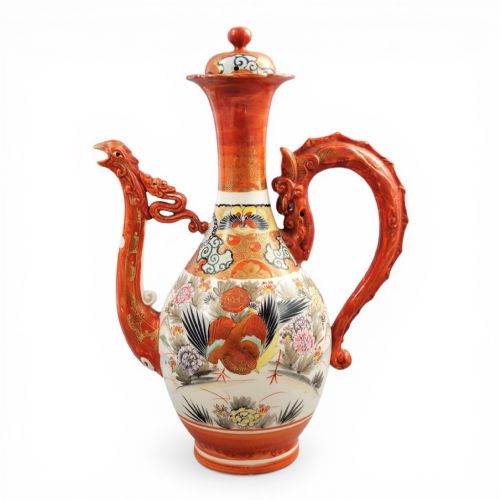

Handled Ceramic Vessel
When you search for a handled ceramic vessel, you find centuries of utilitarian and decorative forms designed with integral grips, ears, or loops.
Handled Ceramic Vessel
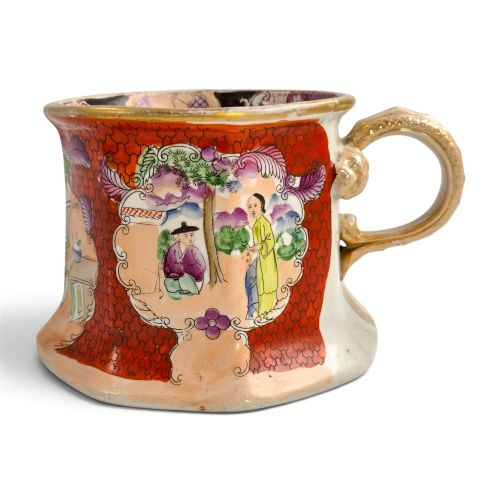
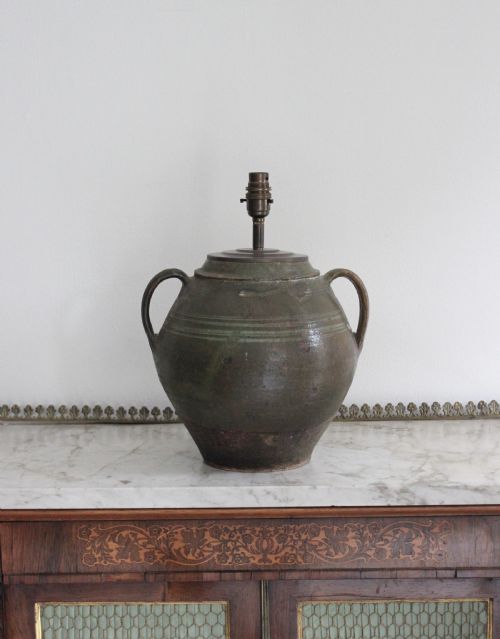
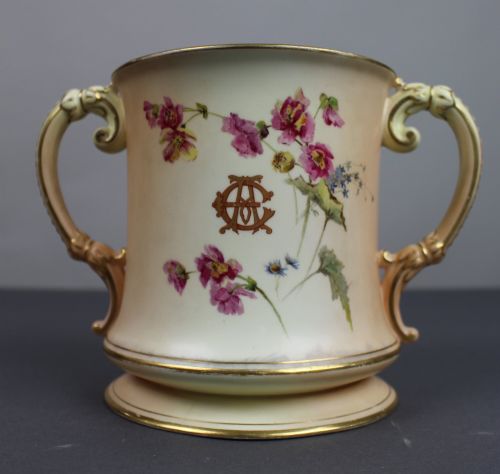
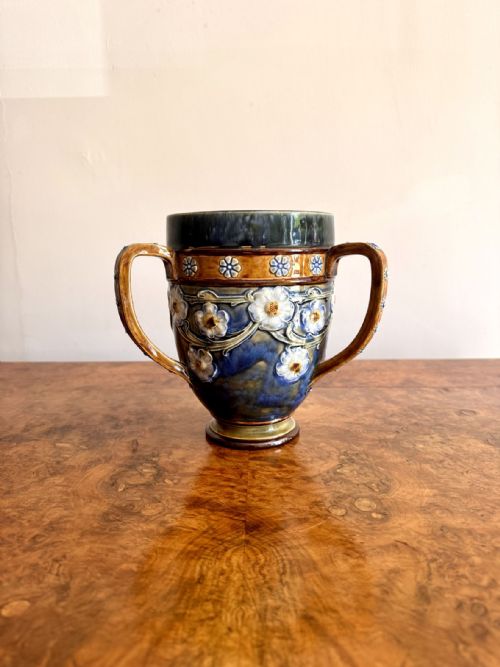
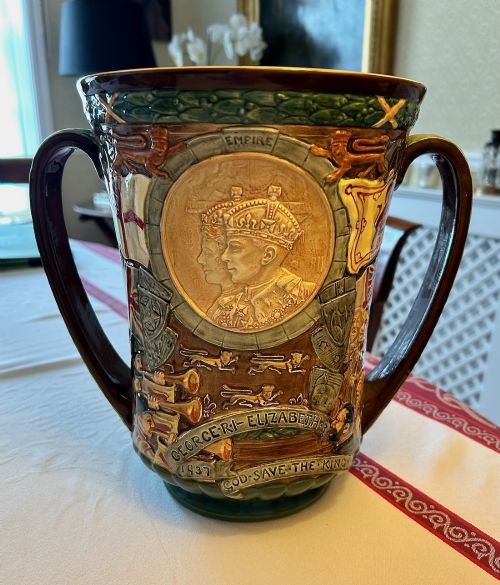
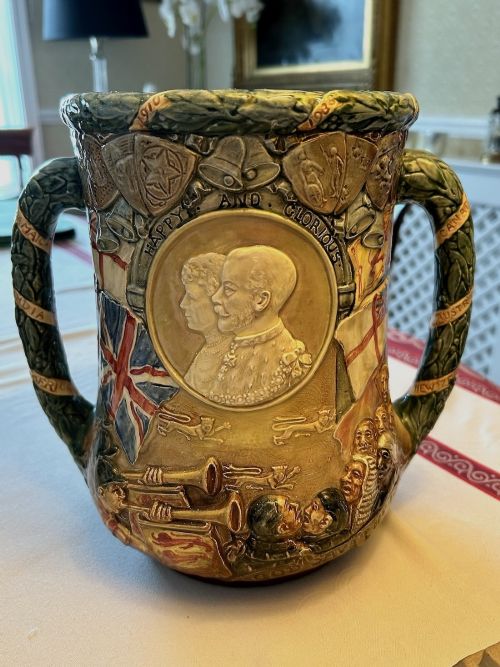
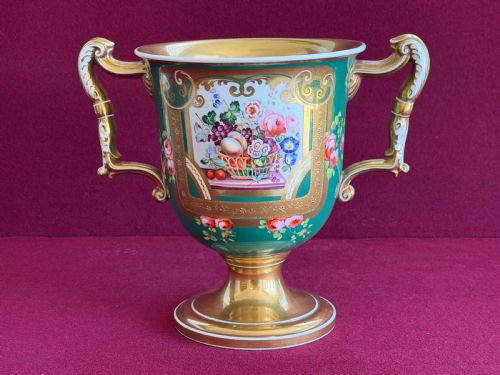
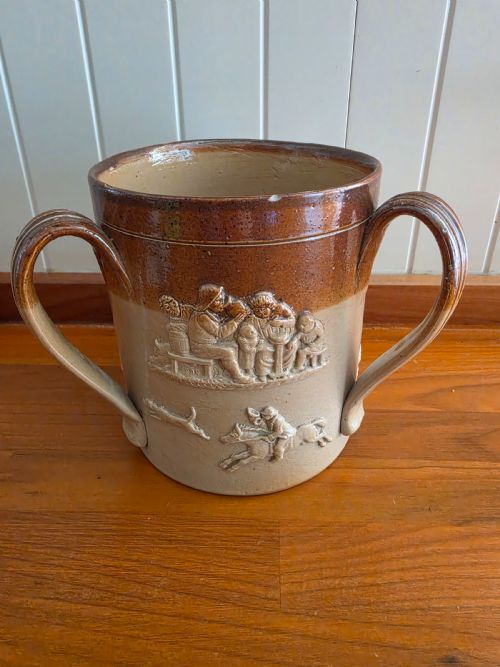
A handled ceramic vessel covers a broad category of utilitarian jars, celebratory cups, and ornamental vases produced across the seventeenth, eighteenth, nineteenth, and early twentieth centuries. Buyers encounter diverse forms ranging from English stoneware tygs and commemorative loving cups to French confit jars and Japanese earthenware vases.
Loving cups, tygs, posset pots, and moon flasks dominate the specific vessel categories, alongside ewers and confit jars with multiple handles. These items reflect both everyday storage functions and commemorative royal events.
Distinctions in standard and execution
Quality separates through the precision of the hand-painted decoration, the crispness of moulded handles and relief elements, and the finesse of the glaze finish. Works bearing the signatures of noted artists or produced by celebrated factories demonstrate superior technical control.
The balance of the vessel form, the integration of handles into the main body, and the preservation of delicate gilt or enamel work dictate the tier of craftsmanship.
Handled Ceramic Vessel Retail Price Guide 2026
Typical asking prices for handled ceramic vessel among the pieces listed under this phrase on Sellingantiques today, from the lower quarter to the upper quarter. They describe what is for sale here now, not the wider market.
Listings feature ceramics spanning the seventeenth to the twentieth century, utilising materials from salt-glazed stoneware to delicate porcelain.
Royal Doulton·Makuzu Kozan·Royal Worcester·Wileman Intarsio·Doulton Lambeth
The Handled Ceramic Vessel Glossary
- Tyg
- A large drinking cup with multiple handles, usually three or four, designed to be passed around a company. These vessels date back centuries in British pottery production.
- Loving cup
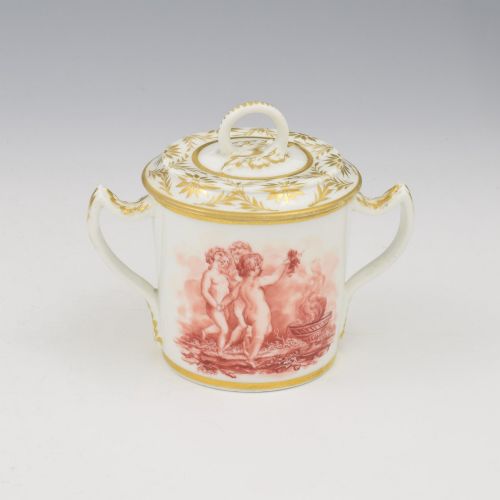
- A large ceramic vessel equipped with two or more handles, traditionally used at banquets and communal gatherings. They frequently commemorate royal coronations or jubilees.
- Posset pot
- A spouted and handled vessel used for serving posset, a historical hot drink made of curdled milk mixed with wine or ale. They often include a fitted lid.
- Confit jar
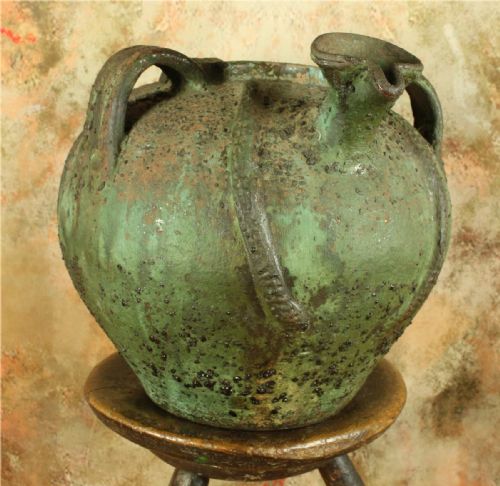
- A large earthenware pot with handles, originating in France for preserving meat and food in fat. They typically display a glazed upper portion and unglazed lower body.
- Moriage
- A Japanese ceramic decorating technique using layers of slip to build up raised designs and textures. This method appears frequently on Satsuma and Kutani wares.
- Moon flask
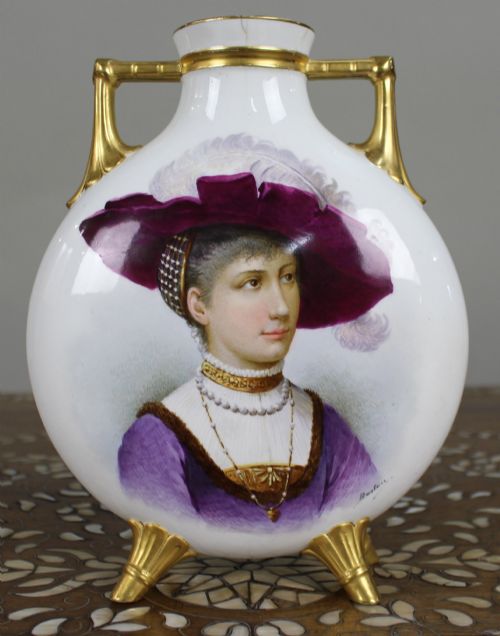
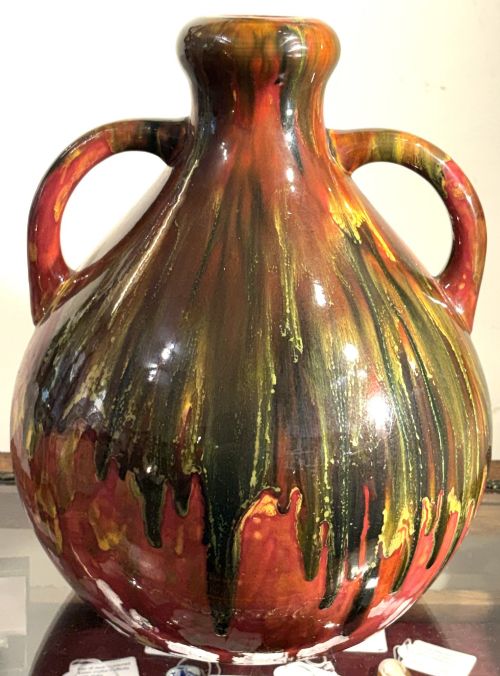
- A flattened spherical vase with a short neck and loop handles connecting the neck to the body. This historic form draws inspiration from ancient pilgrim flasks.
Handled Ceramic Vessel: Frequently Asked Questions
What is a tyg?
A tyg is a drinking vessel featuring multiple handles arranged around the body, allowing several people to hold it safely during communal toasts. These vessels have a long history in British ceramic production, particularly in stoneware and earthenware.
Potters created them primarily for social drinking occasions, and antique examples often display rich glazes or commemorative inscriptions. Their distinct multi-handled silhouette makes them instantly recognisable to collectors.
How were multi-handled jars used?
Multi-handled jars, such as olive jugs and confit jars, served practical storage and food preservation purposes in domestic and agricultural settings. Multiple handles provided a secure grip for lifting heavy earthenware vessels filled with oil, wine, or preserved provisions.
Over time, these utilitarian containers transitioned into decorative objects prized for their rustic patination and robust forms. Their size and handle placement reflect the physical demands of historical storage.
How do I identify a commemorative loving cup?
Commemorative loving cups usually display specific dates, royal ciphers, portraits, or text relating to events such as coronations, jubilees, or marriages. They are characterised by their two or three handles and substantial ceramic bodies.
Manufacturers like Royal Doulton produced extensive series of these vessels to mark significant historical occasions. Examining the transfer-printed or hand-painted inscriptions generally reveals the exact event commemorated.