



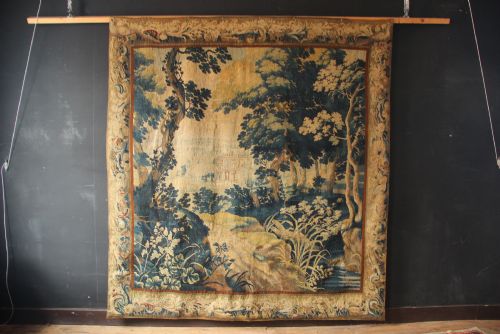


Hand Woven Wool Panel
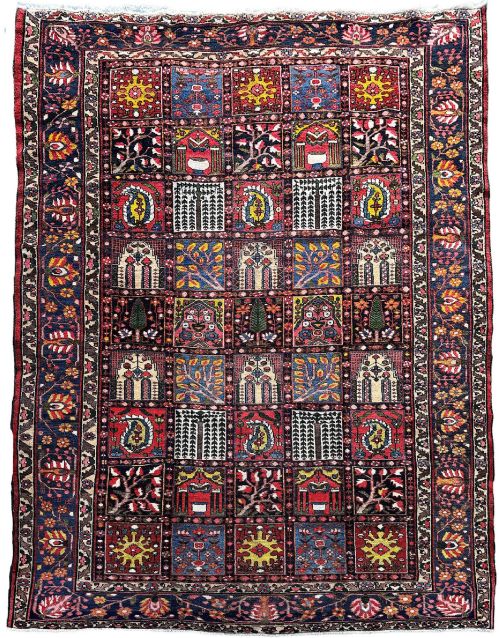
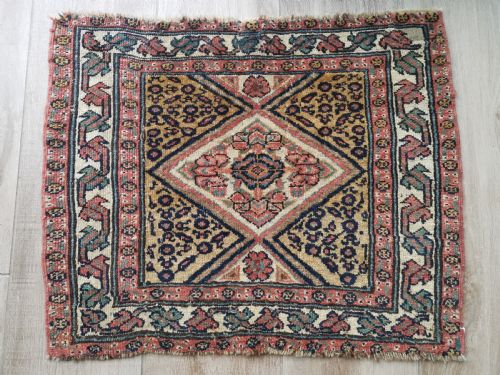
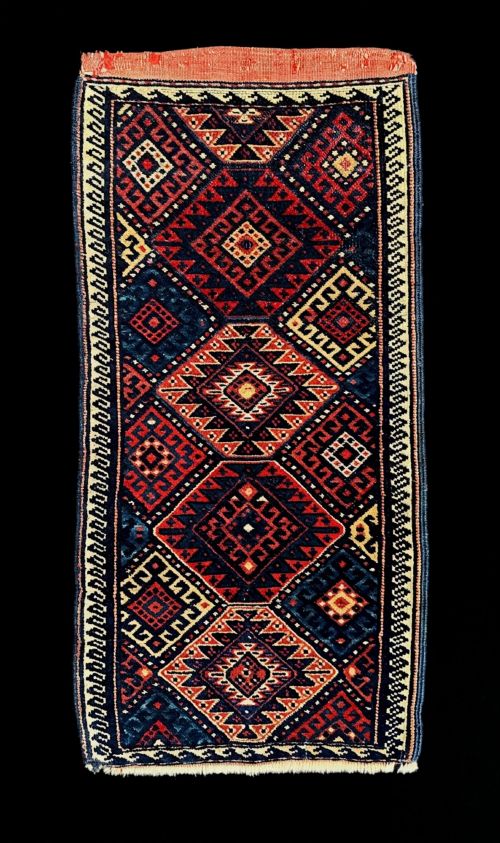
These hand woven wool panel selections include tribal fragments, bagfaces and wall hangings built to last by nomadic and village makers.
Hand Woven Wool Panel
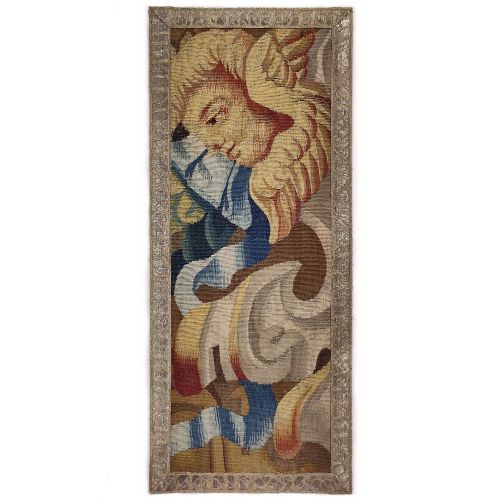
When you search for a hand woven wool panel, you encounter fragments, storage bag faces, and decorative wall hangings originating from tribal and village contexts. The selection spans centuries of weaving traditions, with pieces arriving from Persian, Central Asian, and Flemish workshops.
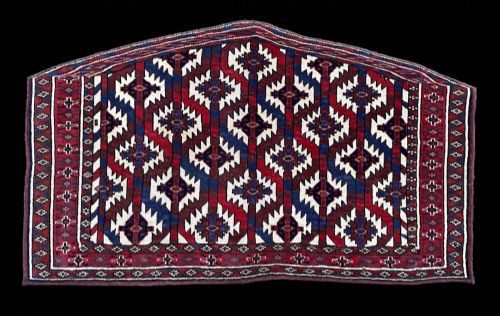
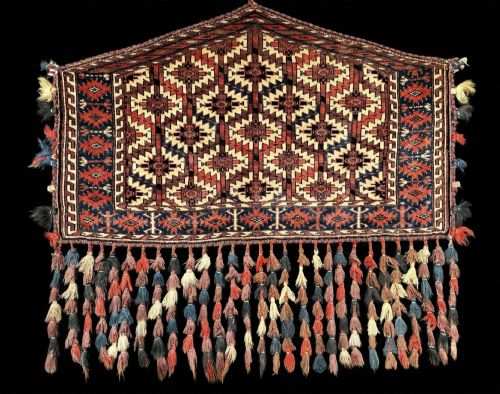
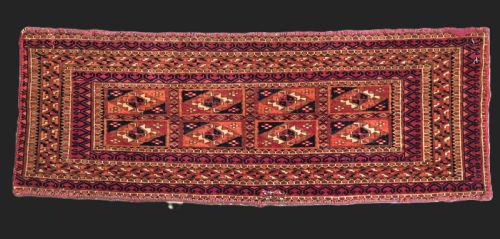
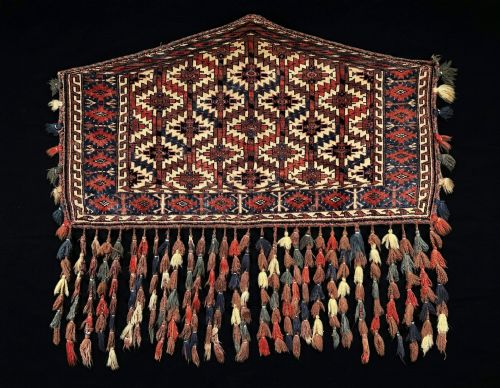
The most common forms on this page include bagfaces, torbas, asmalyks, and tapestry fragments. These textiles represent functional items repurposed for display, offering dense patterns and rich wool construction.
Origins range from the Trans-Caspian steppes of Turkmenistan to the tribal regions of Persia. Each item reflects the distinct design vocabulary of its specific maker group, such as the Yomut, Tekke, or Qashqai.
How they were made
The foundation of these textiles relies on hand-spun wool, cotton, and linen. Weavers utilised natural dyes to achieve deep colour palettes across the surface of each panel.
Construction techniques involve careful knotting or tapestry weaving to form dense, durable structures. Materials such as silk occasionally appear in specific design elements to create subtle contrast.
Hand Woven Wool Panel Retail Price Guide 2026
Typical asking prices for hand woven wool panel among the pieces listed under this phrase on Sellingantiques today, from the lower quarter to the upper quarter. They describe what is for sale here now, not the wider market.
Listings feature wool, cotton, and linen materials alongside natural dyes across seventeenth-century to twentieth-century periods.
What varies in quality
The distinction between tiers rests upon the precision of the drawing and the complexity of the tribal motifs. Superior examples display crisp geometry, well-proportioned elem panels, and sophisticated gul arrangements.
Material preparation and dye saturation also divide the range. Pieces created with deeply absorbed natural dyes and tightly packed hand-spun wool maintain structural integrity and visual depth over time.
The Hand Woven Wool Panel Glossary
- Gul
- A primary octagonal or repeating medallion motif used extensively in Turkmen tribal weaving. These symbols often identify the specific tribe or clan that produced the textile.
- Asmalyk
- A pentagonal or triangular trapping traditionally mounted on the flank of a camel during wedding processions. These decorative panels showcase elaborate symbolic ornamentation.
- Verdure
- A style of tapestry featuring foliage, trees, and landscape elements as the dominant decorative subject. Flemish examples from earlier centuries frequently utilise this botanical imagery.
- Chuval
- A large storage bag produced by Turkmen tribes for household belongings. Surviving fragments often display rows of primary guls.
Hand Woven Wool Panel: Frequently Asked Questions
How were these panels used originally?
Nomadic families utilised many of these textiles as functional storage bags, tent furnishings, or animal trappings within daily camp life.
Over time, individual panels and bag faces became detached from their original contexts, surviving as decorative fragments suitable for wall display.
How do I care for a wool panel?
Protect the textile from direct sunlight to prevent natural dye fading. Gentle vacuuming through a mesh screen helps remove accumulated dust without disturbing the wool fibres.
Avoid hanging the piece in damp environments or exposing it to excess moisture. Professional textile conservation cleaning is recommended if deeper maintenance is required.
How can I tell tribal groups apart?
Different tribal groups employed distinct structural colour combinations and signature medallion designs, known as guls. Yomut and Tekke weavers, for instance, utilise specific geometric layouts that separate their work.
Examining the border configurations and subsidiary motifs provides further clues to the regional origin and specific nomadic confederation.
What is the difference between a bagface and a fragment?
A bagface represents the complete decorative front of a nomadic utility sack, often retaining its original side dimensions and borders.
A fragment is a surviving portion of a larger textile, such as a tapestry border or a damaged storage piece, retaining historical material despite missing sections.