

Hand Woven Mat
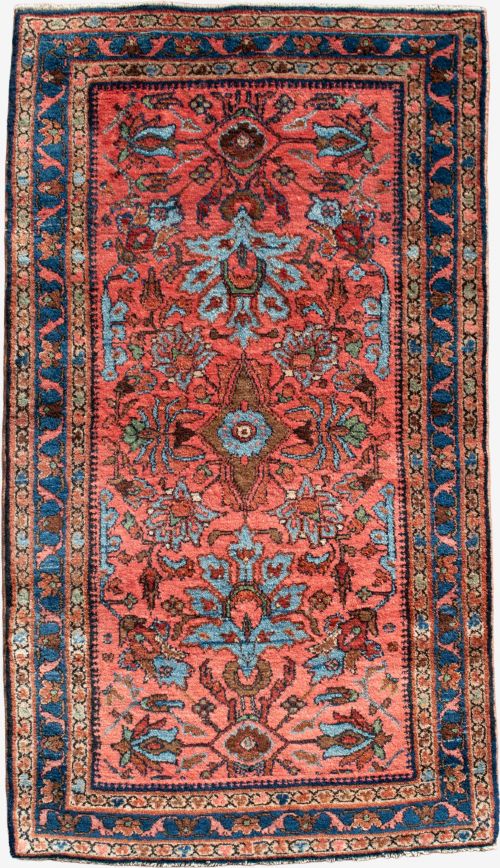
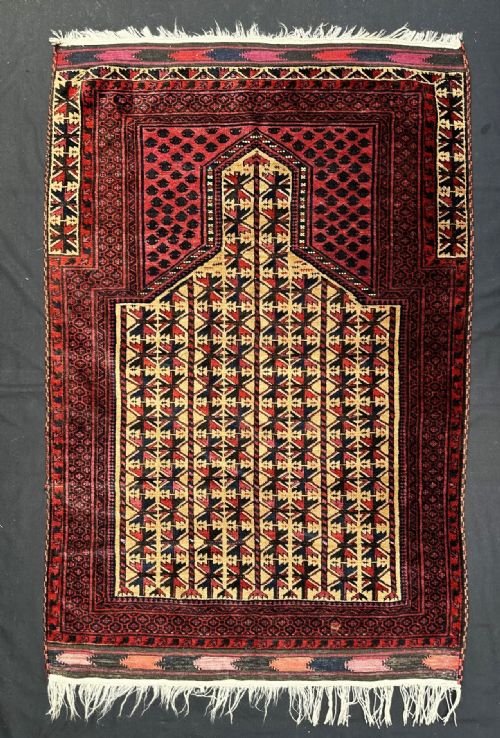
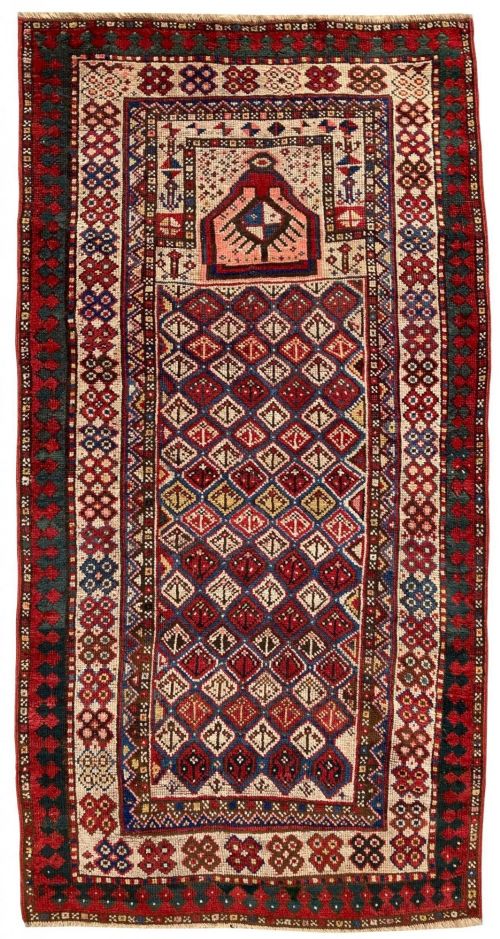
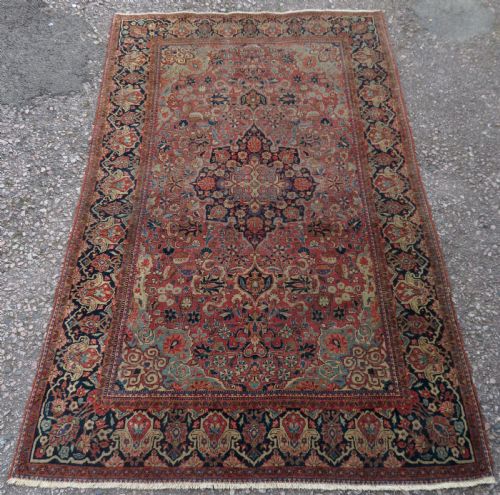
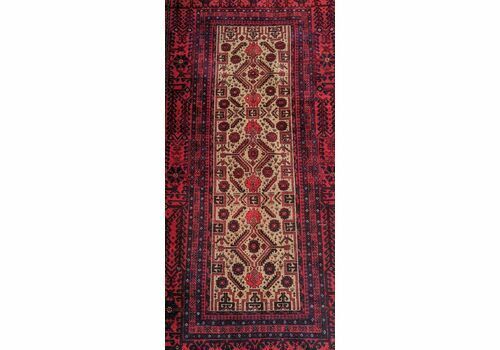
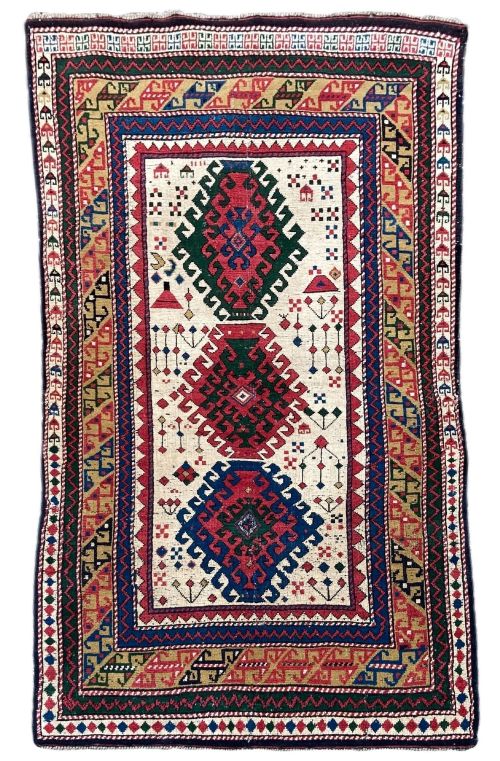
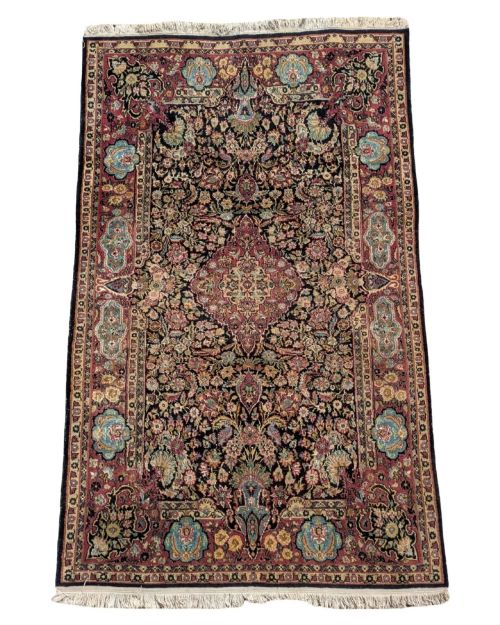
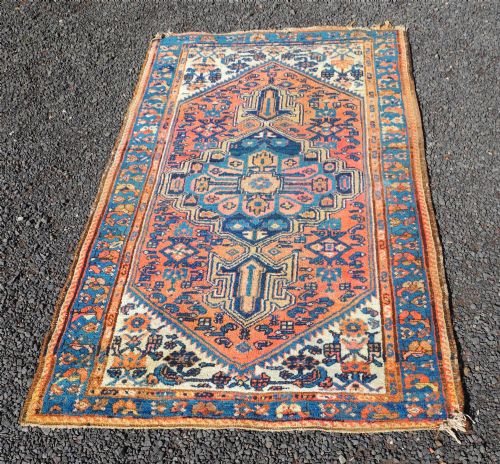
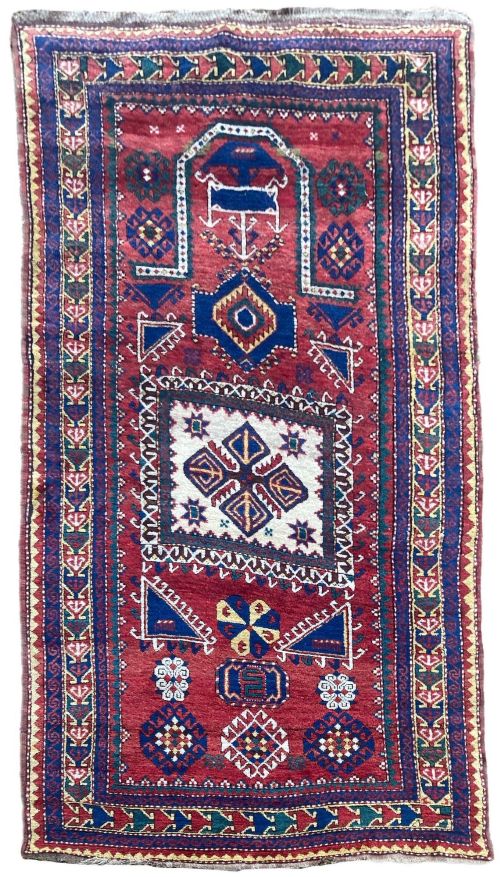
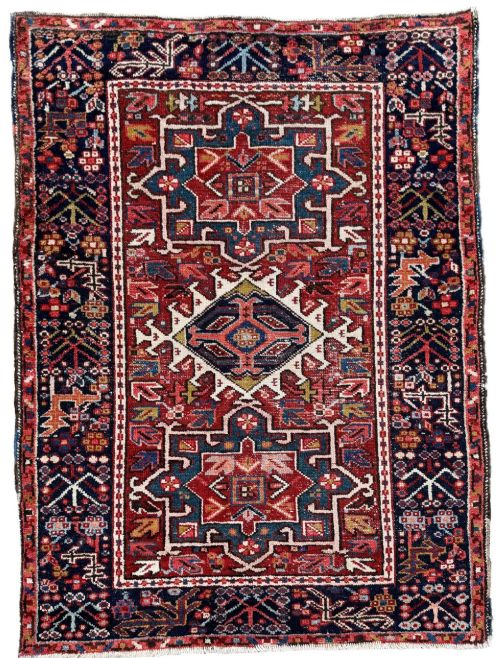
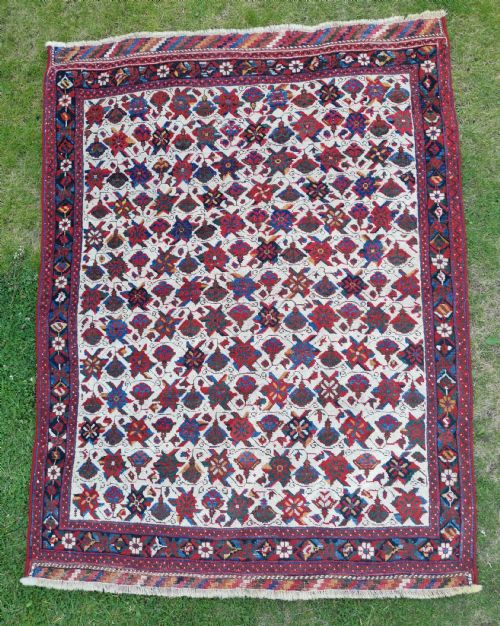
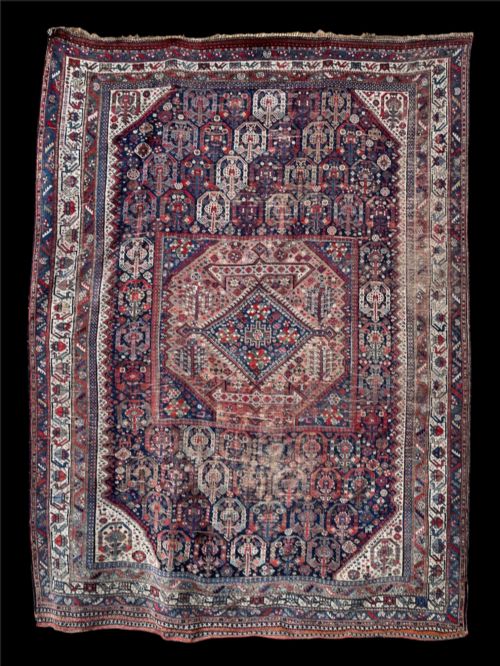
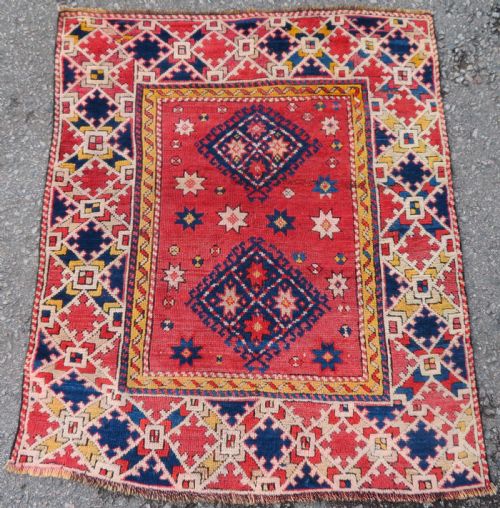
When you search for a hand woven mat, you are looking at tribal and village floor coverings originating from nineteenth and early twentieth century traditions.
Hand Woven Mat
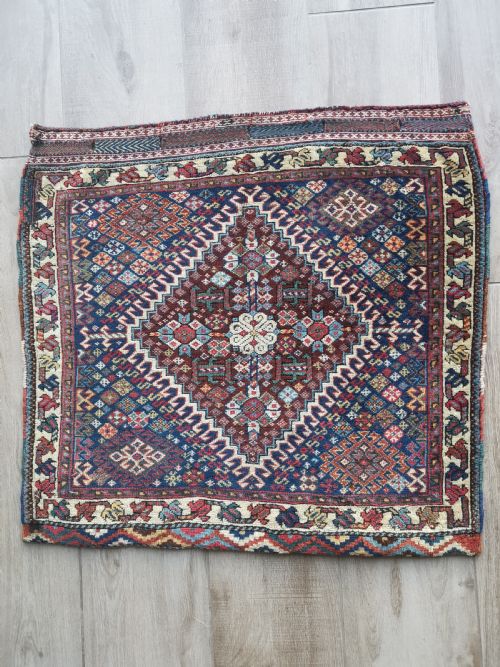
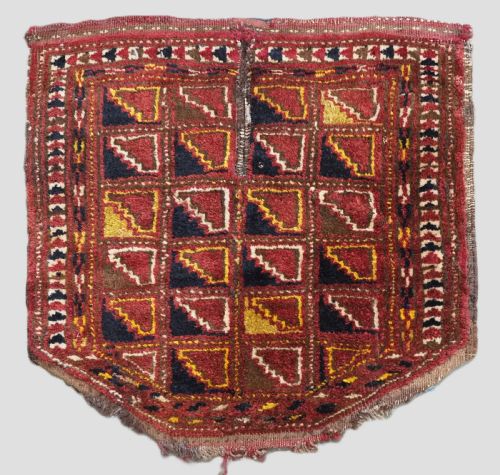
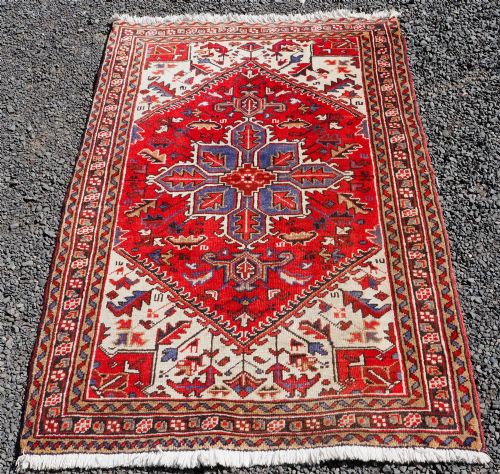
A hand woven mat encompasses tribal rugs, village carpets, prayer rugs, and smaller bag faces created across the Middle East, Central Asia, and the Caucasus. These textile pieces span periods from the mid-nineteenth century through the 1930s, reflecting diverse regional weaving traditions.
How they were made
Weavers utilised natural dyes and hand-spun wool, cotton, or silk to build these textiles on traditional looms. Natural dye stuffs produce the characteristic depth of colour seen across these tribal and village weaves.
The construction relies on hand-knotting or flat-weaving techniques depending on the regional group, incorporating silk highlights in certain urban or workshop carpets.
Hand Woven Mat Retail Price Guide 2026
Typical asking prices for hand woven mat among the pieces listed under this phrase on Sellingantiques today, from the lower quarter to the upper quarter. They describe what is for sale here now, not the wider market.
Listings span periods from the nineteenth century to 1930, featuring wool, cotton, and silk materials.
What varies in quality
The standard of a hand woven mat depends on the crispness of the tribal design execution and the vibrancy of the palette. Pieces retaining rich natural dyes and tight knotting demonstrate superior technical competence from the weaver.
Integrity of the foundation and preservation of original borders or tassels influence the standing of each textile. Examples showing purposeful composition and balanced proportions command greater appreciation.
The Hand Woven Mat Glossary
- Prayer rug
- A small format textile featuring a mihrab or niche design used historically for individual daily prayers.
- Bag face
- The decorative front panel of a nomad storage sack, often preserved as a small decorative mat.
- Gul
- An octagonal medallion motif repeated across Central Asian and Turkmen tribal carpets.
- Natural dyes
- Colourants derived from plants, insects, and minerals before the widespread adoption of synthetic aniline dyes.
- Hand-spun wool
- Fleece processed and spun by hand into yarn, resulting in natural variations in texture and dye uptake.
Hand Woven Mat: Frequently Asked Questions
How were these mats originally used?
Nomadic and village communities utilised these textiles as floor coverings, seating areas, bedding, and animal trappings. Smaller formats served as prayer mats or functional storage bags within tents and dwellings.
Over time, many of these utilitarian textiles transitioned into decorative furnishings for Western homes while retaining their original structural integrity.
How do I care for a wool rug?
Protect antique wool textiles by vacuuming gently without a rotating brush bar to prevent fibre damage. Keep them out of direct sunlight to preserve the stability of natural dyes.
Rotate the rug periodically to ensure even wear across traffic areas and consult a specialist textile conservator for cleaning.
How can I tell regional styles apart?
Regional attribution relies on specific design motifs, border arrangements, and structural palettes unique to each weaving group. Caucasian pieces often display geometric compartmentalisation, while Persian tribal rugs favour balanced medallions and animal forms.
Turkmen textiles are distinguished by repeating gul motifs set against deep madder red grounds.
What is a bag face?
A bag face is the ornamented front section of a nomadic transport or storage sack, removed from its plain wool or kilim back. These panels were woven with dense knotting because they experienced heavy daily contact in tribal camps.
Today they survive as compact decorative mats that showcase intricate village iconography.