


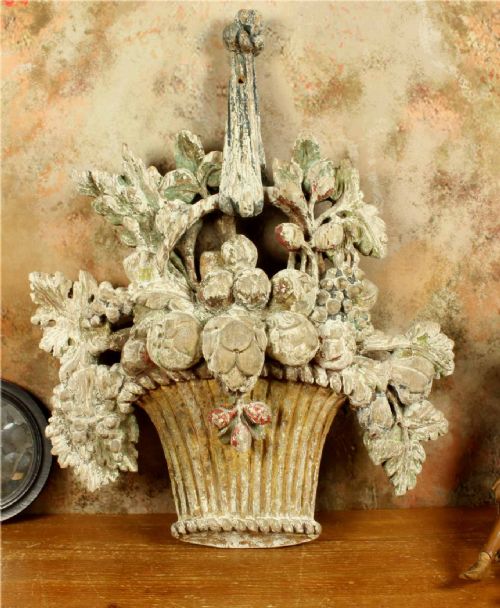
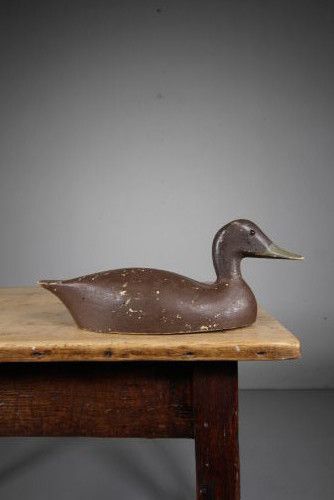
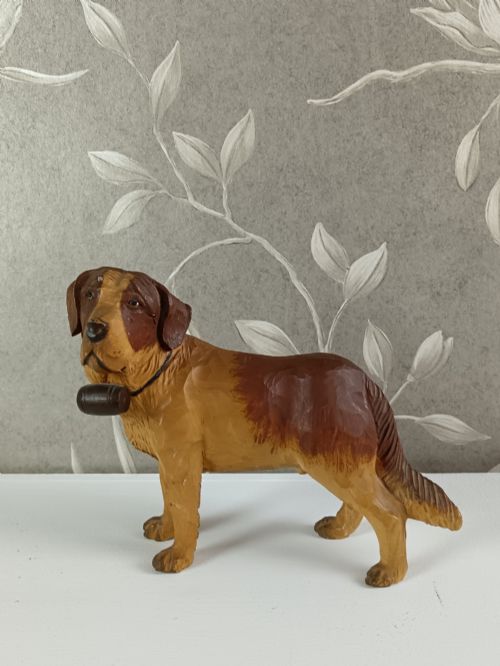
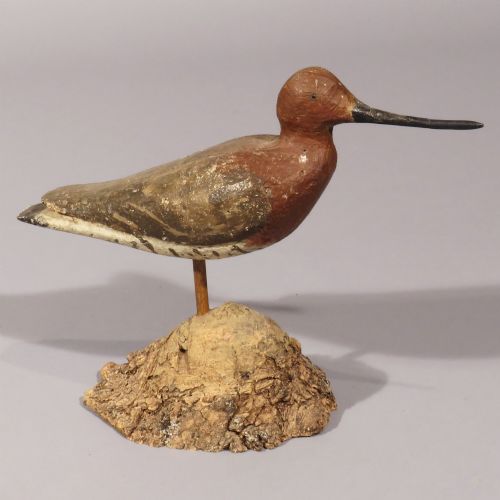
Hand Painted Wood Carving
Hand painted wood carving pieces bring rustic charm and cultural history into a room through carved timber and layered pigments.
Hand Painted Wood Carving
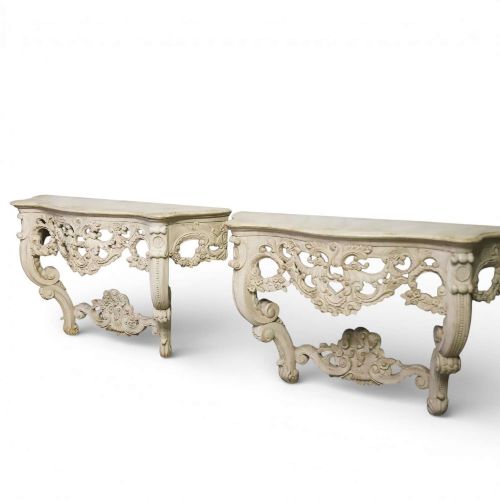
Hand painted wood carving encompasses decorative objects, sculptures, furniture, and architectural fragments fashioned from timber and finished with pigment. Buyers search for this phrase to find items that display both sculptural depth and surface decoration, ranging from utilitarian decoys to religious figures.
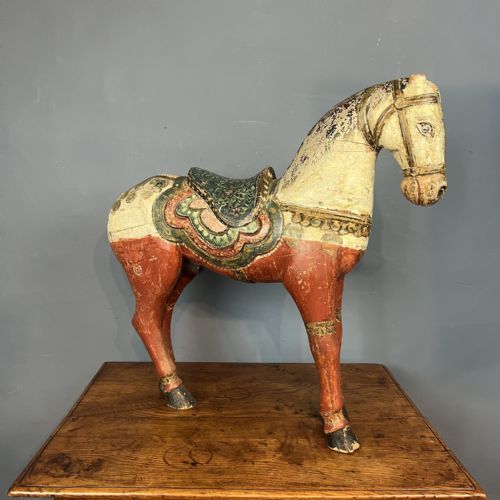
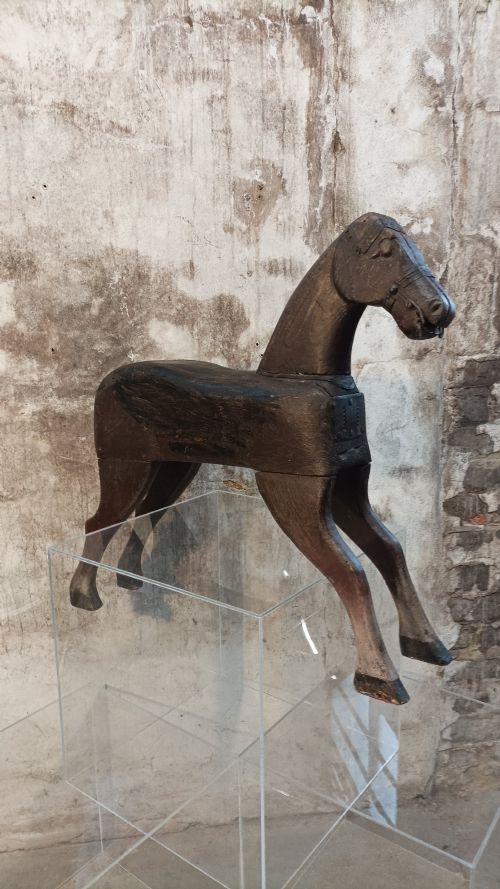
The selections span multiple centuries, with particular representation from the nineteenth and early twentieth centuries. Objects take diverse forms, including decoy animals, wall panels, folk art horses, storage chests, and figural sculptures from European, Asian, and American traditions.
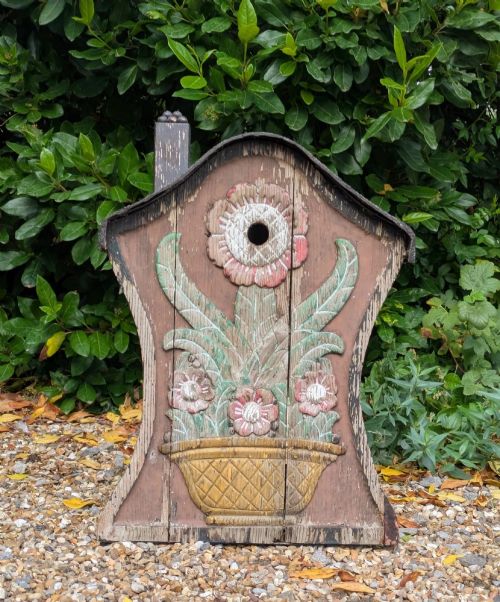
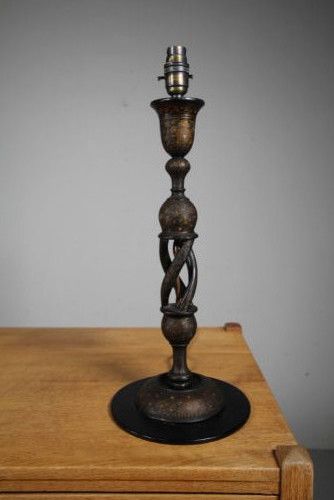
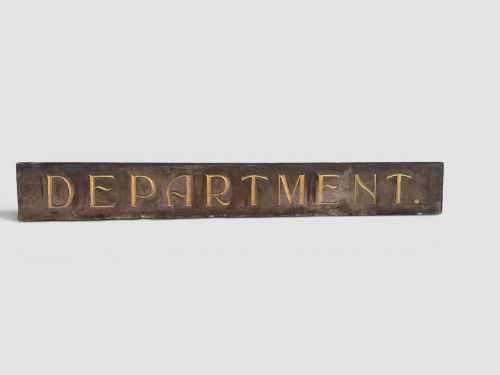
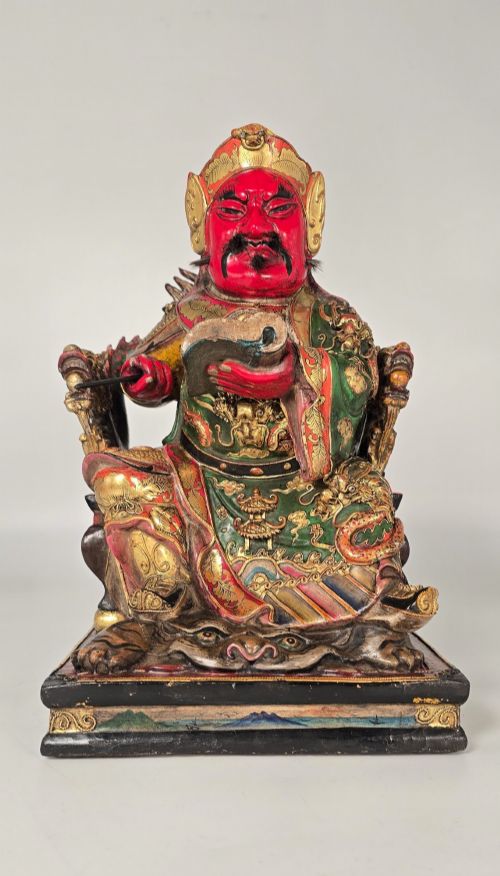
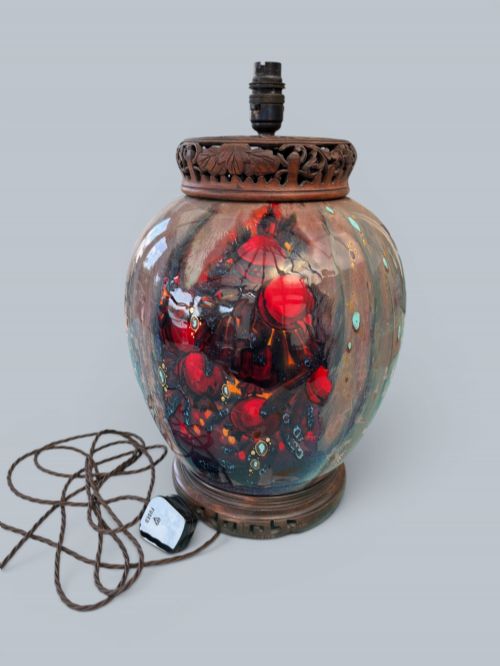
Regional origins vary widely, encompassing Swedish bird boxes and bowls, Kashmiri lamps and elephants, Chinese lacquered figures and trunks, and English or American trade signs. Each geographic tradition applies specific painting and carving conventions to local timber.
How they were made
Maker methods rely on carving solid timber - such as pine and various regional woods - into specific sculptural or functional forms using hand tools. Artisans then apply surface layers including paint, lacquer, gold leaf, and gesso to embellish the raw wood.
Finishes range from simple folk art pigments applied directly to wood to complex layered lacquer and gilding techniques found in Asian pieces. Iron or brass hardware occasionally supplements the wooden structures on boxes, chests, and folding screens.
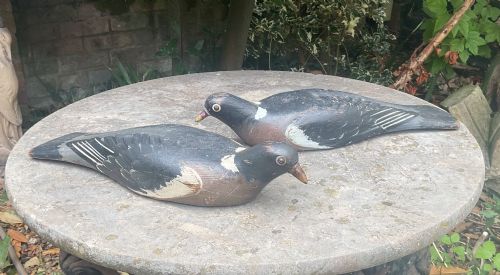
Saint Bernard rescue dogs and Saint Anthony of Padua share shelf space here with decoy pigeons and Kashmiri elephants.
What varies in quality
Quality rests upon the crispness of the initial wood carving and the integrity of the surviving paint layer. Pieces showing confident tool marks and deliberate polychrome detailing separate themselves from ordinary utility items.
The relationship between the carved substrate and the applied surface decoration determines visual success. When pigment and lacquer complement the contours of the sculpture rather than masking poor carving, the object achieves a higher grade of craftsmanship.
H.S Andy Anderson
The Hand Painted Wood Carving Glossary
- Decoy
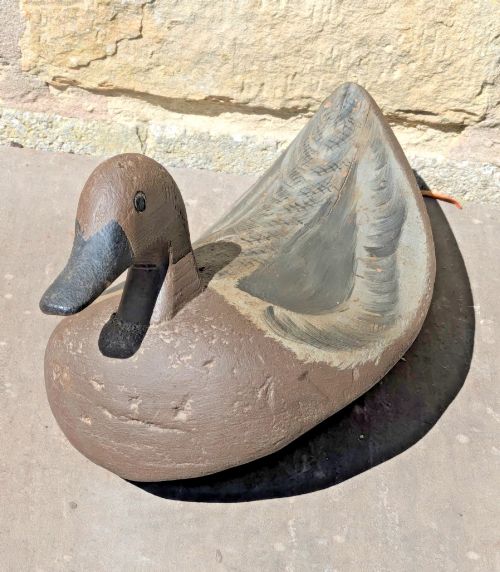
- A carved and painted wooden bird or animal historically used to attract wildlife. These working objects now function as popular folk art sculptures.
- Lacquer
- A durable resin finish applied in multiple layers and polished to a smooth sheen. Asian cabinets and figures frequently employ this technique alongside hand painting.
- Tramp art
- Decorative items created by carving discarded packing boxes and scrap wood using pocket knives. Items in this style typically feature layered, chipped-carved geometric patterns.
- Cassone
- A large Italian marriage chest constructed of wood and decorated with painted or carved panels. These storage pieces served central functions in Renaissance and later households.
Hand Painted Wood Carving: Frequently Asked Questions
How are hand painted wood carvings cleaned?
Dust these surfaces gently with a dry, soft cloth to protect the underlying paint layers. Avoid liquid cleaners and harsh chemicals that might strip or soften historic pigments.
Keep items away from direct sunlight and damp conditions to prevent the timber from warping and the paint from flaking over time.
What woods were used for these carvings?
Pine appears frequently in European folk art objects, decoy animals, and country furniture. Other regional timbers support specific traditions, such as denser hardwoods utilised in Asian architectural panels and figures.
The choice of wood usually depended on local availability and the intended function of the object, whether it needed to float as a decoy or support weight as furniture.
How can I tell the period of a carved piece?
Examine the tool marks left on the wood, as hand-adzed or knife-carved surfaces differ from later machine-sawn timber. Wear patterns on the paint and lacquer layers also provide clues to age and handling history.
Compare the stylistic conventions, such as regional folk art motifs or Victorian proportions, with dated examples from the same geographic origin.
Where should I display wooden wall panels?
Mount panels on interior walls away from direct heat sources like radiators, which cause wood to dry out and split. Ensure the hanging hardware securely supports the weight of the specific timber panel.
Pair architectural fragments or trade signs with neutral backgrounds so the carved details and painted finishes remain the visual focus of the room.