
Carved Folk Art Figure
These carved folk art figure selections bring together hand-whittled animals, tradesmen and devotional icons shaped by anonymous makers across centuries.
Carved Folk Art Figure
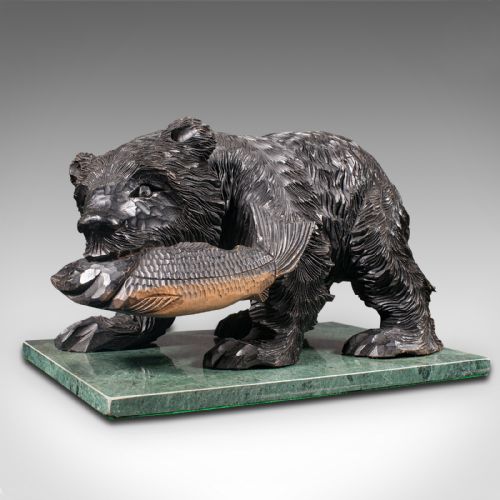
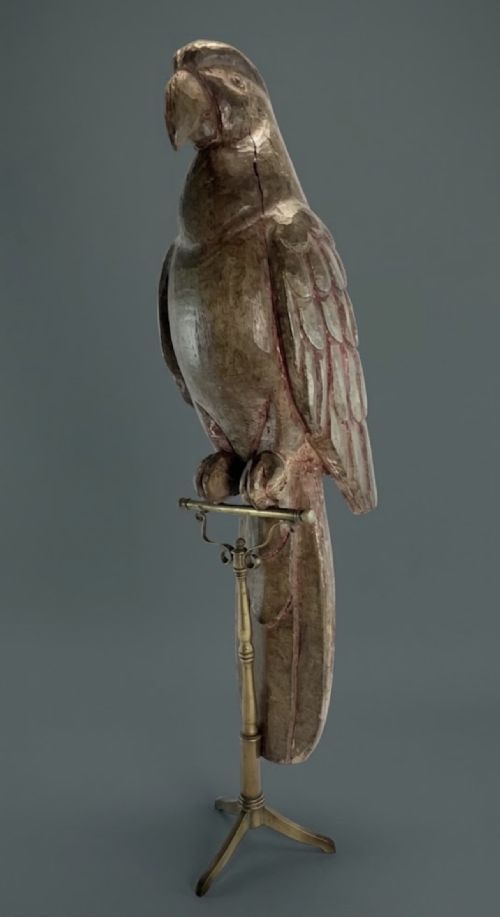
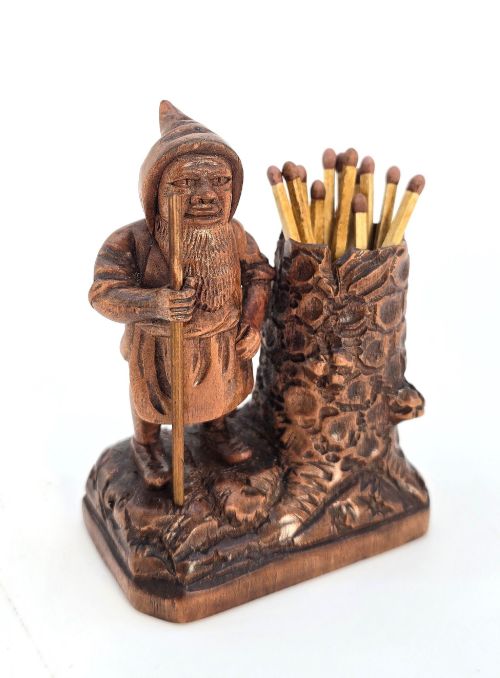
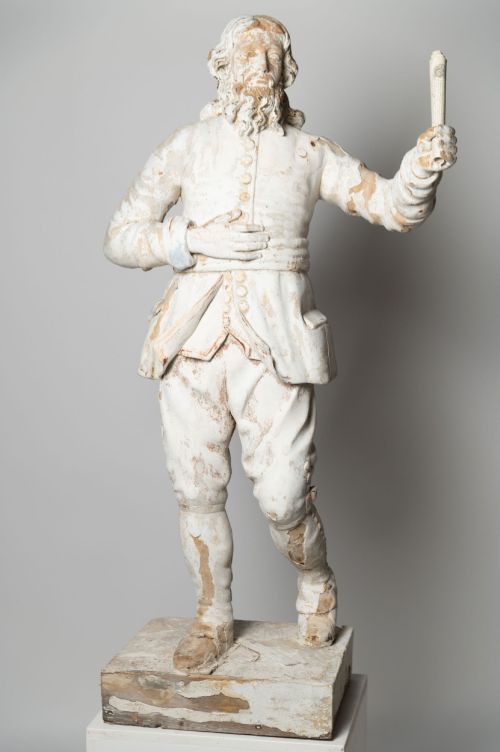
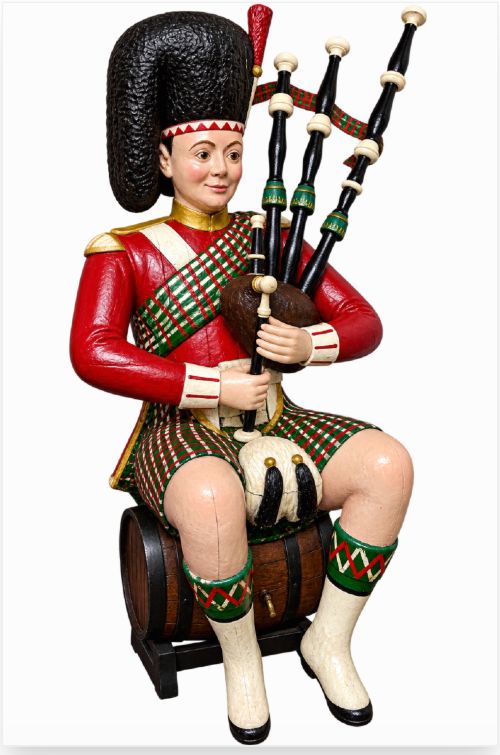
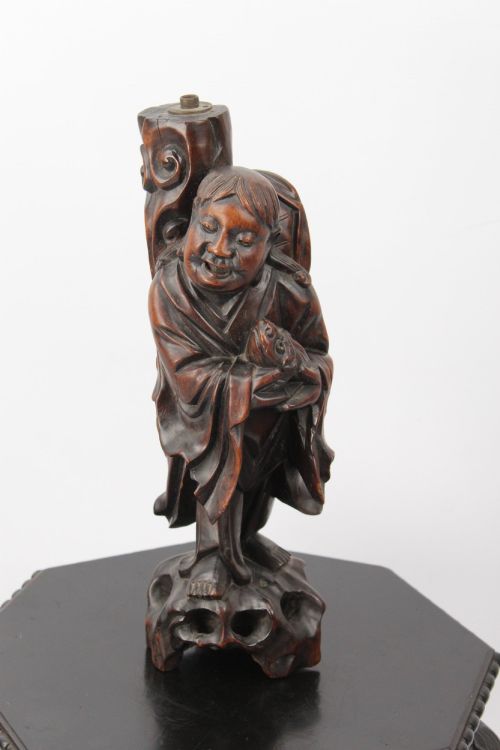
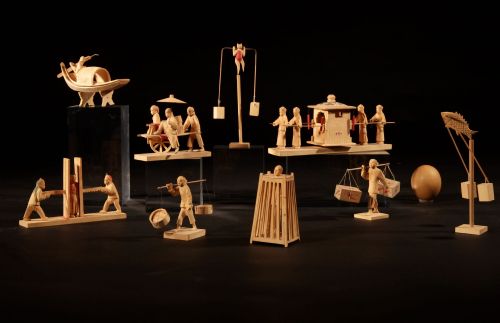
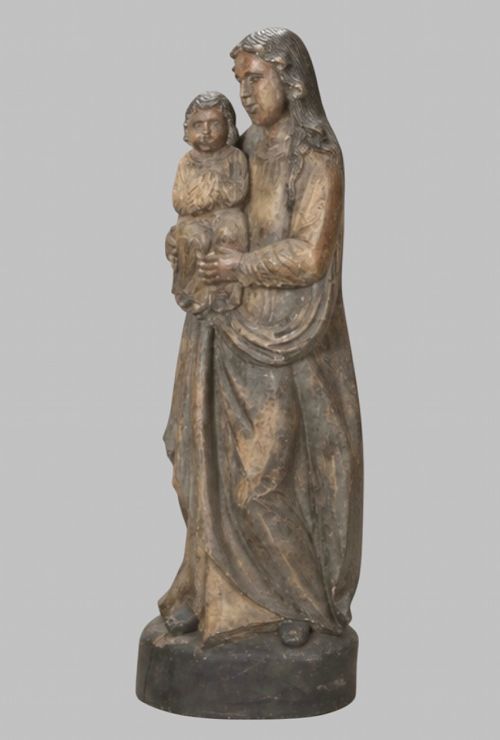
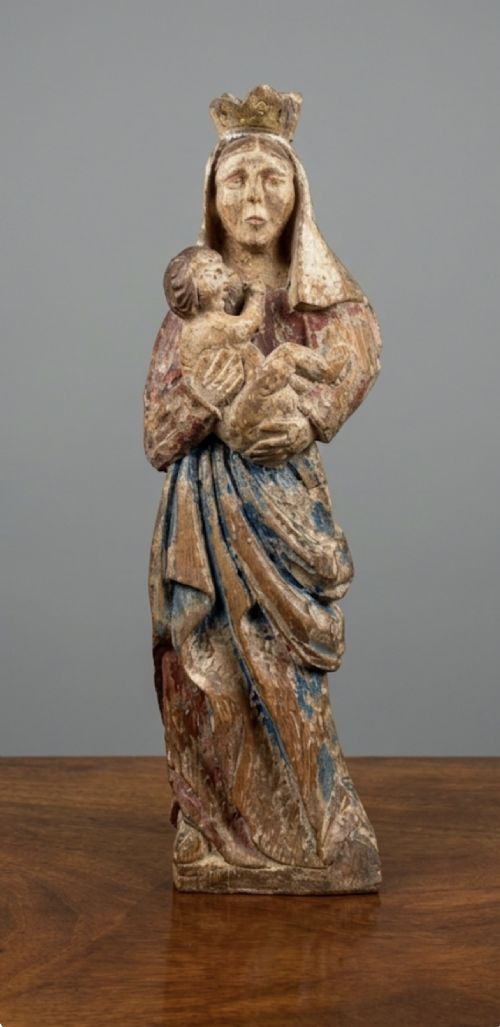
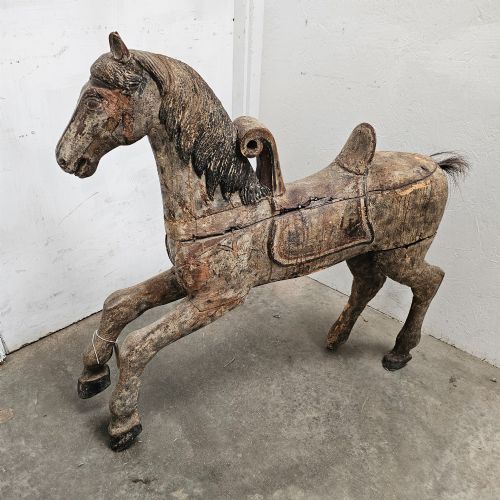
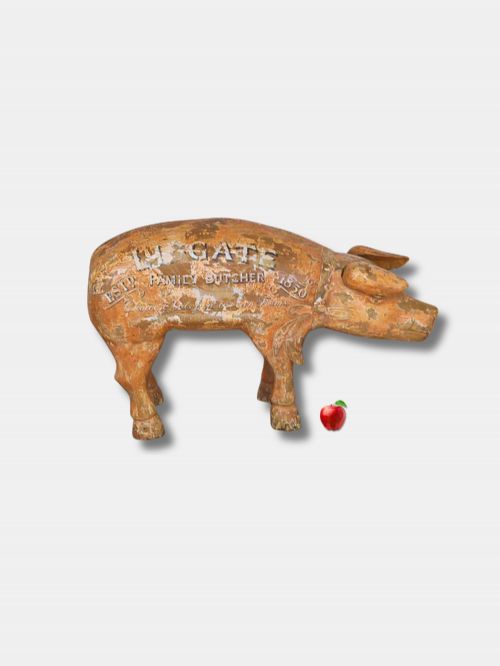
A carved folk art figure encompasses carved wooden sculptures, trade signs, nutcrackers and devotional statues originating from nineteenth-century Europe, Asia and North America. The selection includes domestic items like match holders and inkstands alongside large carousel horses and commercial figures.
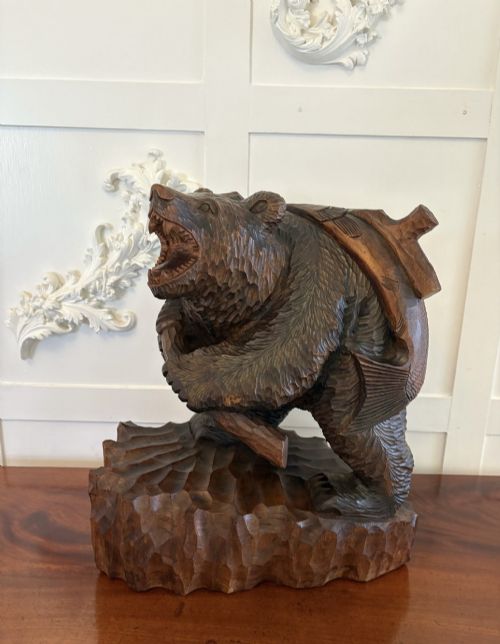
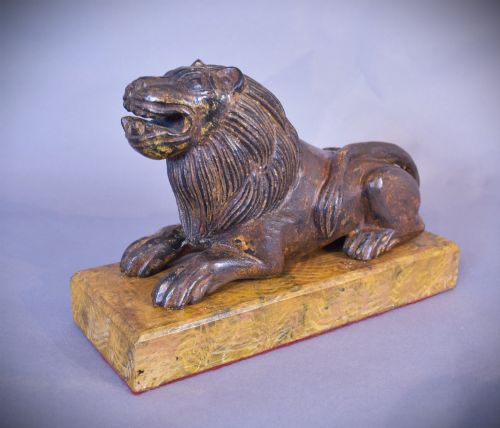
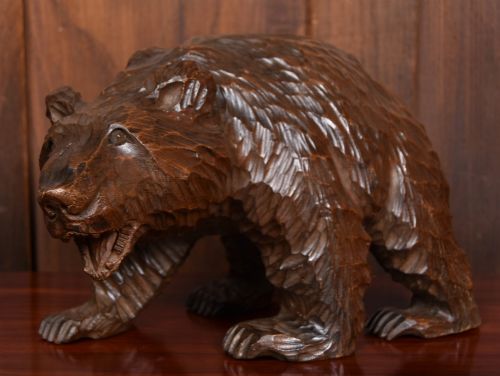
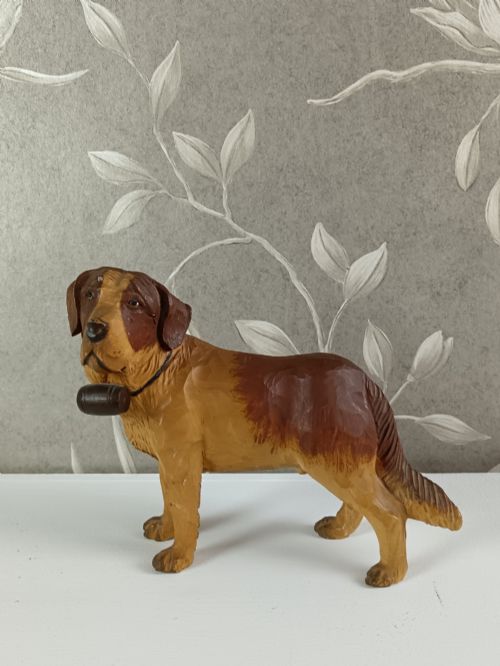
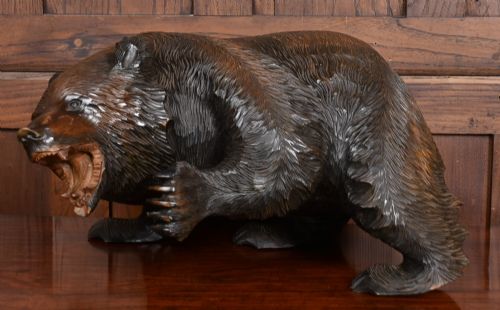
The most common examples met on this page span nineteenth-century animal carvings, notably bears and horses, and human representations ranging from saints to tradesmen. These pieces reflect regional vernacular traditions rather than formal academic training.
Materials and construction methods
Makers utilised available local woods including linden, walnut, oak, maple, limewood and root wood, often shaping them with hand gouges and knives. Many pieces combine carved timber with applied paint, gesso, polychrome finishes, brass details or stud eyes.
Techniques range from naive primitive whittling to sophisticated regional styles such as Black Forest carving and Japanese Nata-Tsukuri work. Certain objects incorporate mixed media, including bone and tanned seal skin.
The selection includes functional household items transformed by carving, including match holders, inkstands and table snuff boxes.
Distinctions in quality and execution
Quality rests in the vigour and expressiveness of the carving rather than adherence to strict anatomical proportions. Stronger pieces display confident tool marks and deliberate characterisation that bring the subject to life.
Surface preservation significantly influences the standing of a piece, particularly where original paint, gesso or polychrome decoration remains intact. Greater tactile depth in the wood grain and considered execution elevate individual works.
H S Andy Anderson
The Carved Folk Art Figure Glossary
- Black Forest
- A style of wood carving originating from the Bernese Oberland in Switzerland, well known for realistic animal figures such as bears and nutcrackers.
- Polychrome
- Decoration applied in several colours to the surface of wood or gesso, frequently seen on devotional and trade figures.
- Trade Figure
- A carved sculpture or sign displayed outside a shop or commercial premises to advertise the business within, such as a butcher or tobacconist.
- Linden Wood
- A pale, fine-grained timber frequently utilised by carvers for detailed figurative work due to its reliable softness.
- Naive
- A descriptor for art created without formal academic instruction, prioritising direct expression and character over classical perspective.
Carved Folk Art Figure: Frequently Asked Questions
What is a carved folk art figure?
It is a hand-carved wooden object, often depicting a human, animal or trade subject, made within a regional vernacular tradition.
These pieces range from practical items like nutcrackers and match holders to purely decorative sculptures and religious icons.
How do I care for wooden folk art?
Keep carved wooden objects away from direct heat sources and dramatic humidity fluctuations to prevent the timber from splitting.
Dust gently with a dry, soft cloth and avoid applying modern polishes or liquids to painted or gessoed surfaces.
Where were these figures made?
The listings include works from Britain, France, Germany, Switzerland, China, Japan, Canada and America, reflecting diverse cultural traditions.
Makers utilised native timbers and regional carving styles specific to their local communities and workshops.
How are different periods identified?
Periods are determined through a combination of tool marks, timber types, stylistic conventions and surviving surface finishes.
Comparative study of known dated examples, such as signed nutcrackers and trade signs, helps establish chronological boundaries.