
Hand Painted Vessel
When you search for a hand painted vessel, you find ceramic, porcelain and earthenware forms shaped across centuries and continents.
Hand Painted Vessel
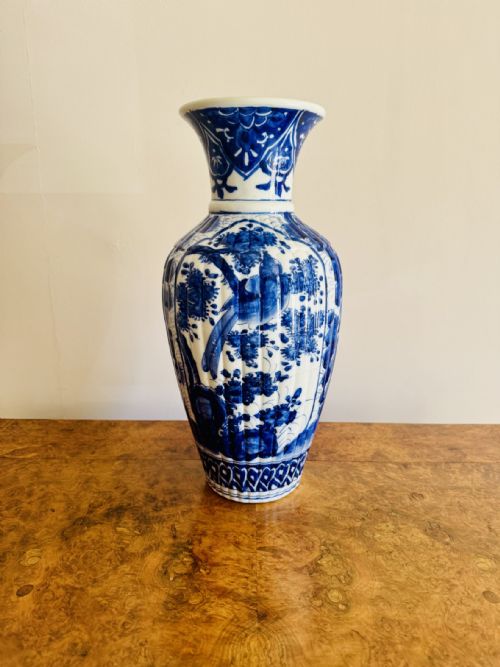
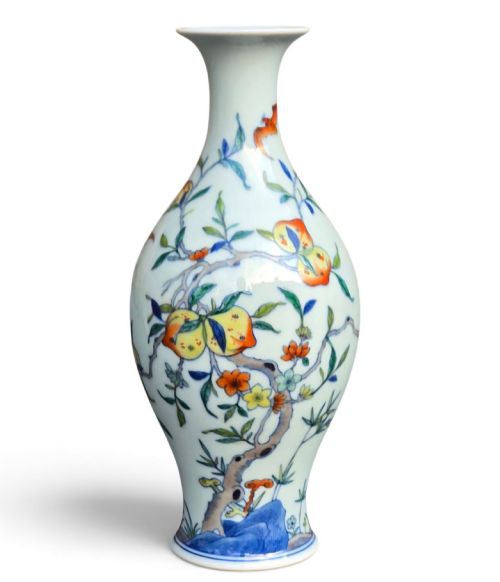
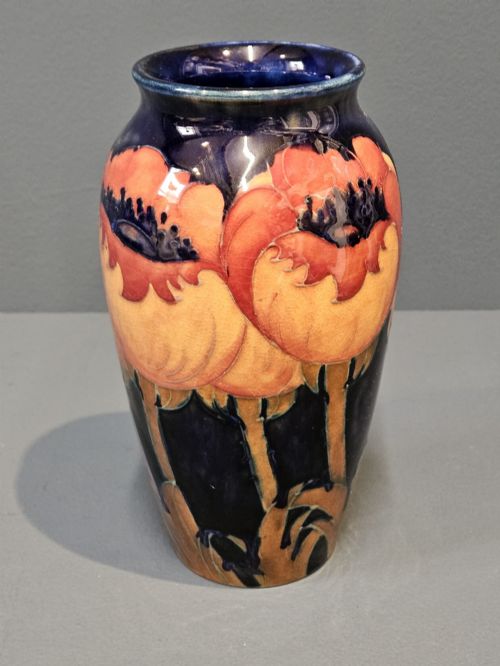
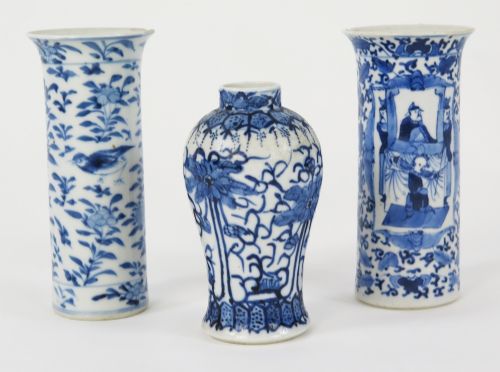
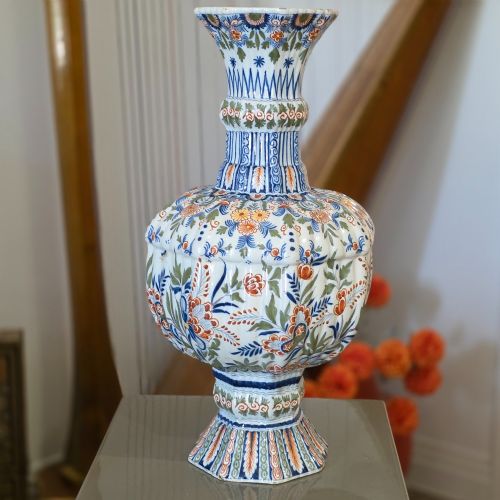
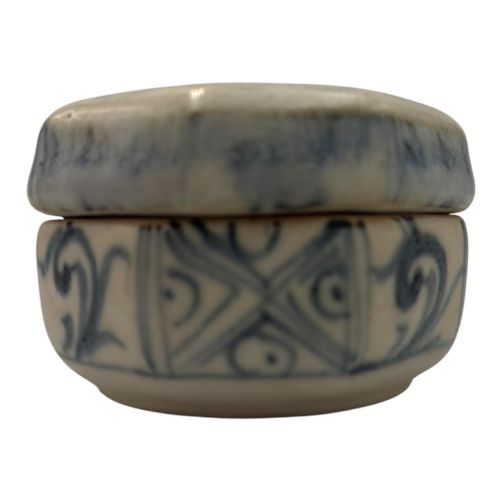
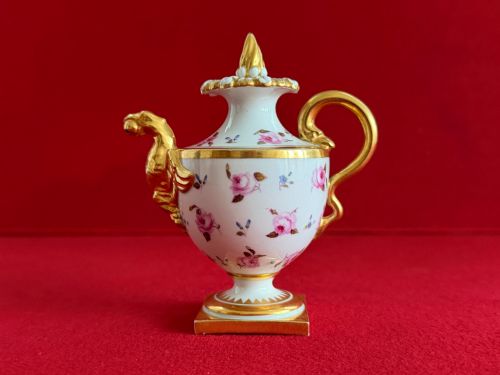
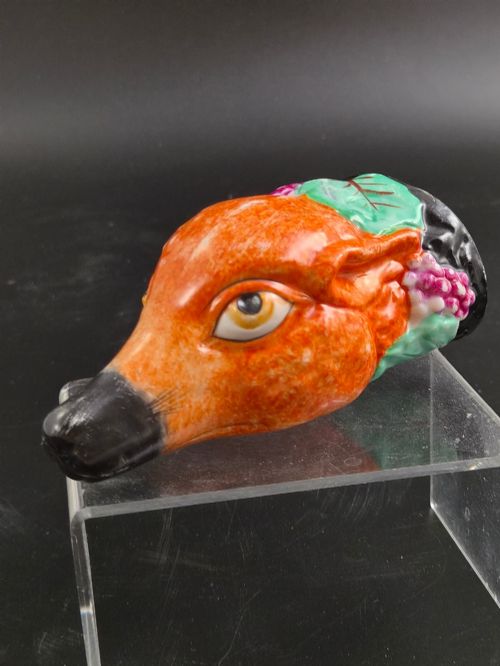
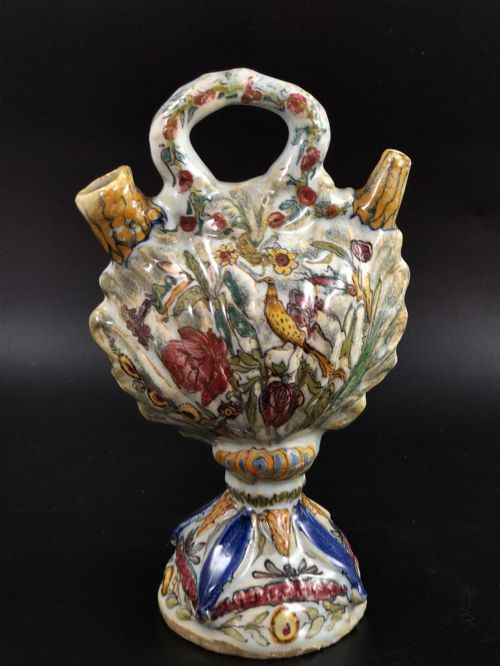
A hand painted vessel encompasses a wide array of functional and decorative pieces, including vases, jars, urns, bowls, and pharmacy containers. The selections on this page span diverse global traditions, from Japanese Imari and Chinese blue and white porcelain to European majolica and English earthenware.
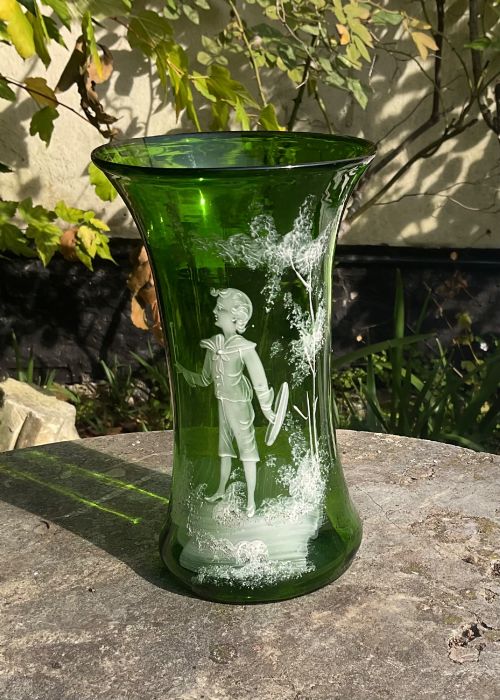
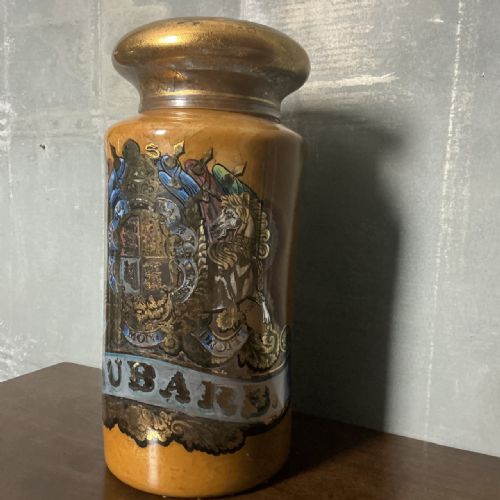
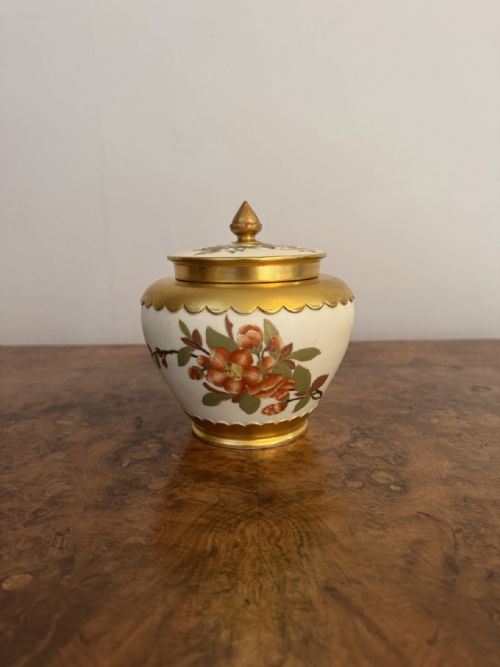
Buyers will encounter items ranging from small apothecary jars and tea caddies to large jardiniere bowls and monumental pedestal vases. Each object displays pigment applied by hand directly onto the clay body, tin glaze, or enamel surface.
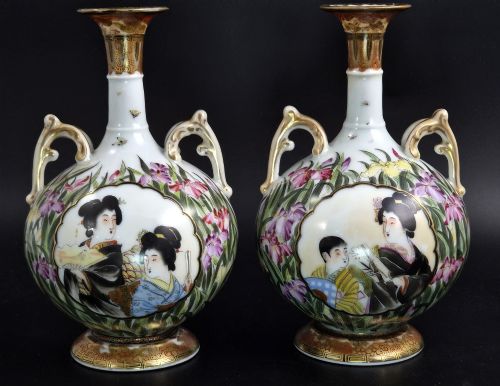
The origins stretch across periods such as the eighteenth century, the Victorian era, and the Meiji period, bringing together distinct regional aesthetics and domestic uses. These pieces served as decorative centrepieces, medicinal storage, or ritual incense burners in their original contexts.
Materials and techniques
Makers shaped these items using ceramic, earthenware, and fine porcelain bodies, often finishing the surfaces with a tin glaze, enamel, or transparent glossy coating. Pigments were brushed onto the raw or fired clay before undergoing high-temperature kiln firing to fix the colours.
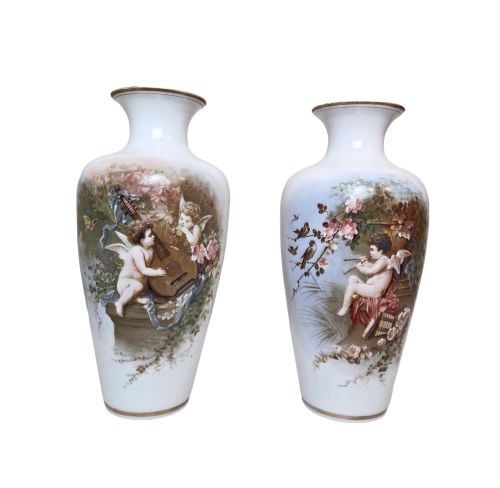
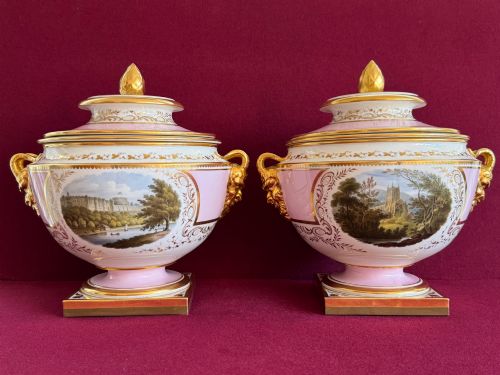
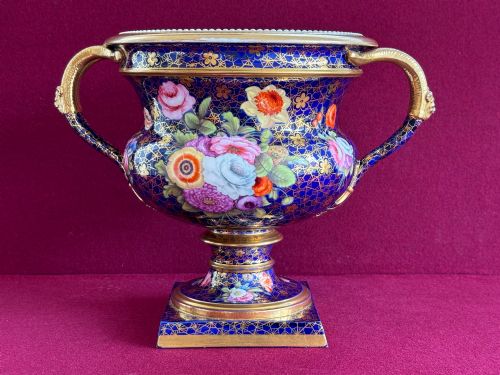
Many examples incorporate applied ornamentation such as gold leaf, detailed gilding, and raised enamel work to accentuate painted motifs like florals, cherubs, and landscapes. The physical weight, clay density, and glaze thickness vary according to the regional workshop and period of production.
Listings feature vessels spanning the eighteenth, nineteenth, and twentieth centuries, utilising porcelain, earthenware, and tin glaze.
Assessing the craftsmanship
The fineness of the brushwork and the precision of the painted detail distinguish standard production ware from exceptional pieces. Superior examples exhibit confident, controlled brushstrokes that define intricate scenes without bleeding into the surrounding glaze.
The execution of supplementary decorative elements, such as gold leaf application and modelled handles or feet, dictates the overall refinement of the item. Consistency in the kiln firing process and clarity in the final glaze surface also separate ordinary containers from museum-quality objects.
Flight Barr and Barr·Takasaka Toemon·Royal Worcester·Doulton Lambeth·Helena Wolfsohn Dresden
The Hand Painted Vessel Glossary
- Majolica
- A type of earthenware coated with an opaque tin glaze and painted with coloured metal oxides. It produces bright polychrome surfaces often found on Italian and European vessels.
- Imari
- A style of Japanese porcelain decorated in underglaze blue and overglaze iron red, gold, and other colours. The palette is typically rich and densely patterned.
- Koro
- A traditional Japanese incense burner, usually featuring a pierced cover and supported on legs. These vessels were frequently modelled with decorative handles or finials.
- Faience
- Tin-glazed earthenware produced in various European centres, particularly France, England, and the Netherlands. It mimics the appearance of imported Chinese porcelain.
- Apothecary jar
- A utilitarian container used by pharmacists to store dried herbs, roots, and medicines. They often feature painted labels or intricate decorative cartouches on the front.
Hand Painted Vessel: Frequently Asked Questions
How do I date an antique painted vessel?
Dating relies on examining the clay body, the style of the painted decoration, and any factory marks or stamps on the base. Comparing the potting technique and glaze characteristics to known regional examples provides a reliable window of production.
Makers often changed their cyphers or signatures across different decades, helping to narrow down the manufacturing period alongside the prevailing artistic style of the era.
What is the difference between porcelain and earthenware?
Porcelain is fired at much higher temperatures using refined materials like kaolin, resulting in a dense, non-porous body that often rings when struck and can be translucent. Earthenware uses coarser clay and remains porous unless sealed with a glaze.
Most early decorative vessels and utilitarian jars utilise one of these two foundational ceramic bodies, which directly influences their weight, durability, and surface appearance.
How were these vessels used originally?
Some vessels served purely decorative functions in domestic interiors, while others held specific contents like tea, potpourri, or apothecary preparations. Incense burners were utilised for scenting rooms during the Meiji period, and ice pails kept dining tables supplied during Regency meals.
The original function often dictated the form, such as fitted covers for tea caddies or spouts for pouring liquids.
Can I display these pieces in a modern home?
These pieces integrate easily into contemporary interiors as focal points on open shelving, sideboards, or tables. Their diverse forms and painted palettes complement both minimalist and traditional room schemes.
Placing them away from direct sunlight and high-traffic edges ensures the painted surfaces and delicate glazes remain protected during daily life.