



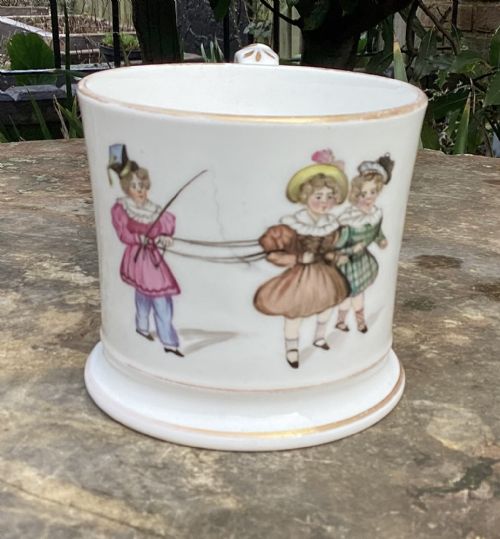
Hand Painted Tankard
These hand painted tankard examples are drinking vessels carrying colour and narrative, built for both display and use across the centuries.
Hand Painted Tankard
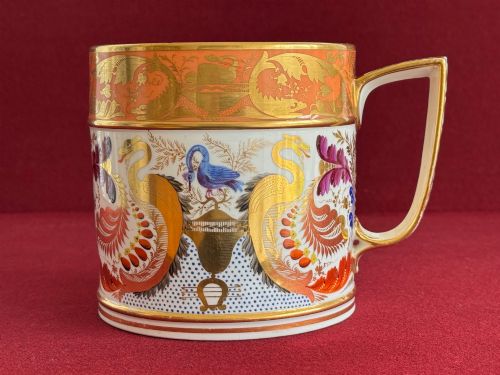
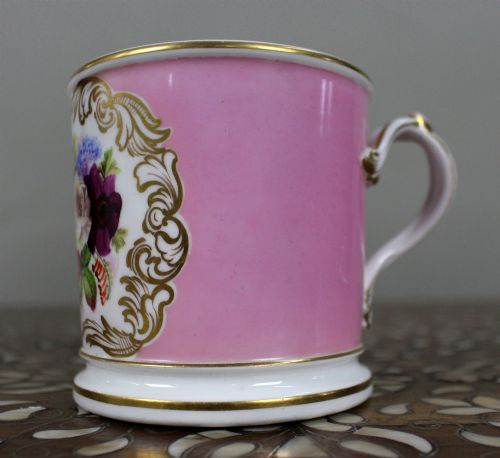
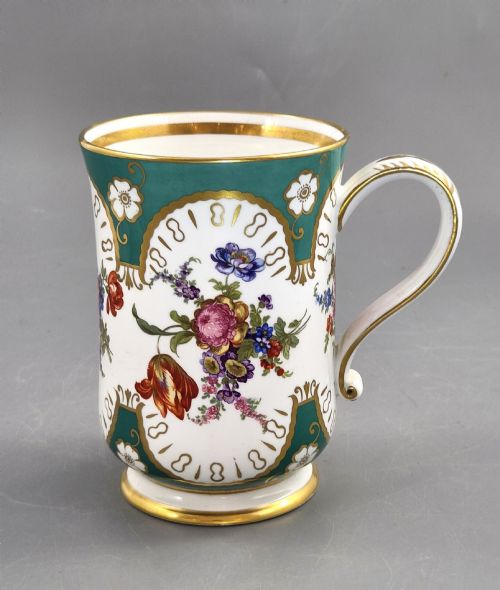
A hand painted tankard brings together functional drinking vessels and painted ceramic artistry across multiple periods, from eighteenth-century porcelain to nineteenth-century earthenware. Buyers searching this phrase encounter cylindrical mugs, lidded jugs, and multi-handled loving cups created for daily service or cabinet display.
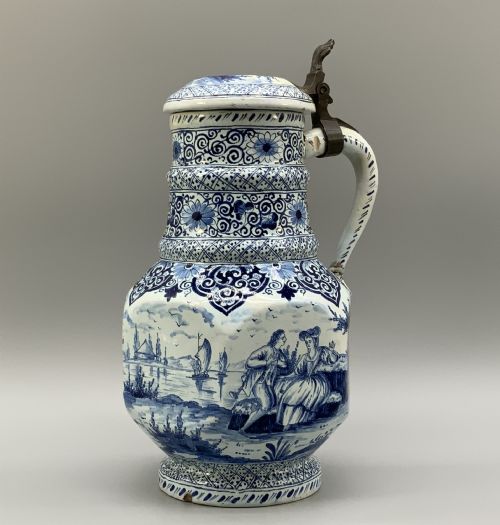
The selection here draws heavily on British factories such as Derby, Worcester, and Lowestoft, alongside continental porcelain from Paris and Bohemia. Earthenware iterations include creamware, pearlware, and tin-glazed Dutch delftware, often featuring landscapes, heraldic motifs, or floral sprays.
How they were made
Potters shaped these vessels using earthenware, creamware, pearlware, and hard-paste porcelain, frequently finishing them with tin glazes or rich enamel palettes. Artisans applied pigments directly to the ceramic body or over the glaze before firing.
Many examples incorporate gold leaf accents or gilt highlights to frame painted panels, while others utilise pewter lids fitted securely to ceramic rims. Glass variants rely on hand-painted enamel decoration applied directly to clear or opaque white material.
What varies in quality
The distinction between standard utility wares and exceptional pieces rests upon the execution and detail of the hand-painted scenes. Superior examples exhibit finely rendered topographical landscapes or intricate polychrome florals executed by skilled factory hands rather than repetitive factory decoration.
Material refinement and the crispness of the porcelain body also separate the categories, alongside the preservation of original gilding and enamel colour. Vessels retaining contemporary pewter mounts or documented provenance command distinct regard among collectors.
Derby Porcelain·Grainger Worcester·Lowestoft Porcelain·Hadley Worcester·Mary Gregory
The Hand Painted Tankard Glossary
- Creamware
- A refined earthenware body with a pale yellowish cream glaze, developed during the eighteenth century.
- Pearlware
- An improved earthenware featuring a bluish-tinted glaze designed to mimic the appearance of true porcelain.
- Hard-Paste Porcelain
- A dense, vitrified ceramic composed of kaolin and petuntse, fired at high temperatures.
- Loving Cup
- A large drinking vessel fitted with two or more handles, traditionally passed among company.
- Famille Rose
- A palette of opaque enamels dominated by rose-pink, prominent on eighteenth-century export porcelain.
Hand Painted Tankard: Frequently Asked Questions
What is a hand painted tankard?
A hand painted tankard is a cylindrical drinking vessel decorated by hand with enamels, pigments, or gilding. These pieces range from simple creamware jugs to porcelain cabinet pieces.
They served as functional vessels for ale or beer, as well as commemorative objects for special occasions. Many survive from the eighteenth and nineteenth centuries as decorative display items.
How do I date a ceramic tankard?
Dating relies on identifying the material body, such as creamware, pearlware, or hard-paste porcelain, alongside stylistic clues in the painting. Shape, handle form, and glaze characteristics offer further chronological markers.
Factory marks, where present, help narrow the origin, though many domestic earthenwares remain unmarked. Comparing decorative motifs to known period styles provides additional context.
Were these tankards used for drinking?
Many earthenware and porcelain tankards were produced for actual consumption of ale, beer, or cider in domestic settings and taverns. Sturdy salt-glazed and creamware examples handled daily service with ease.
Finely painted porcelain cabinet cups and loving cups were often commemorative or decorative rather than meant for regular tavern use. Their survival in clean condition suggests careful handling or cabinet placement.