

Hand Painted Sevres Porcelain
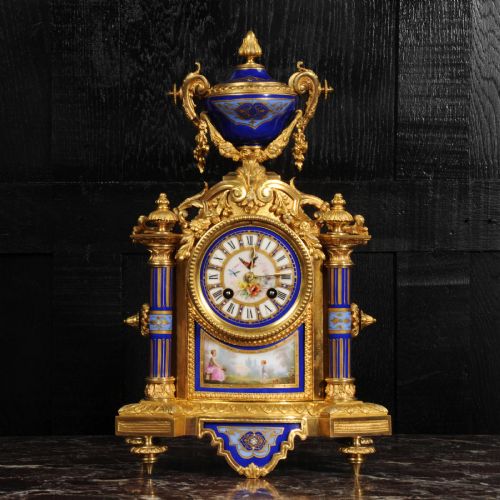
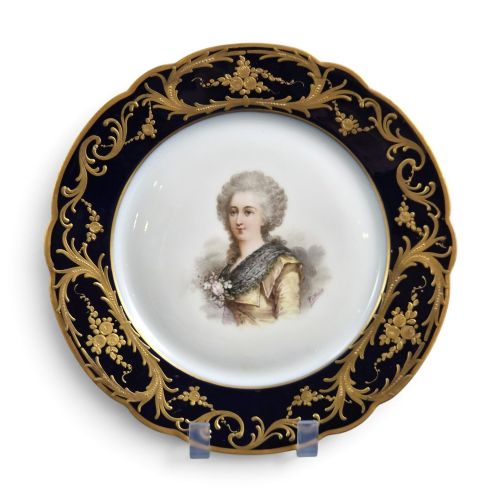
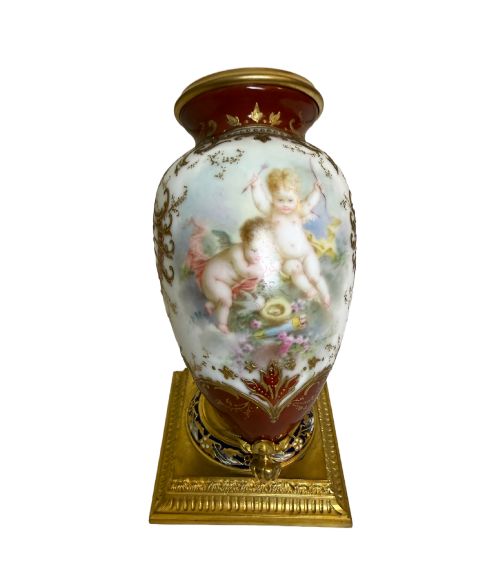
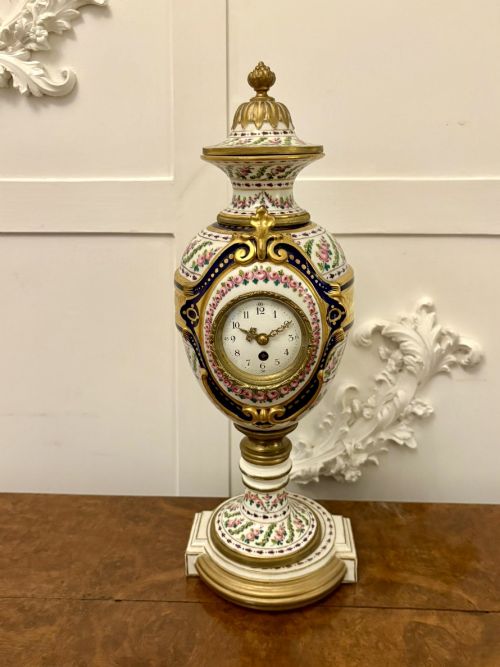
Hand painted sevres porcelain brings together French ceramic artistry and gilt bronze mounts, offering collectors decorative plates, mantel clocks and vases from past centuries.
Hand Painted Sevres Porcelain
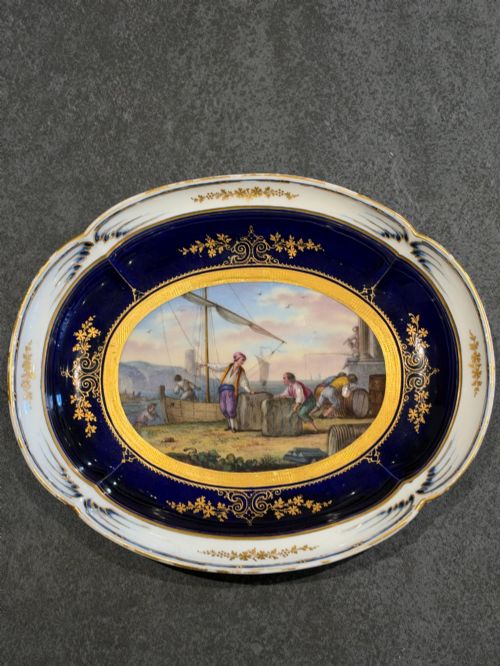
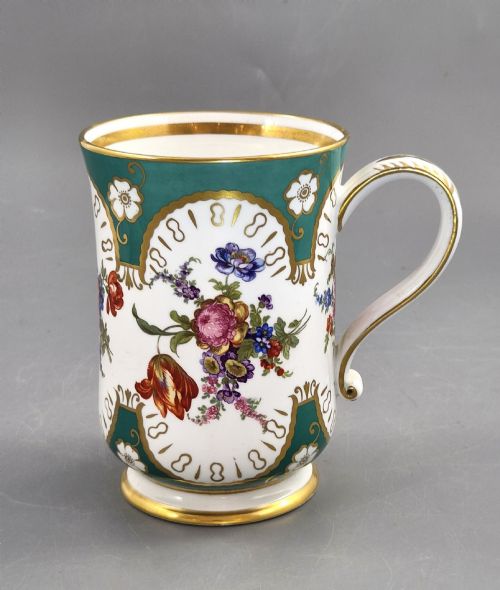
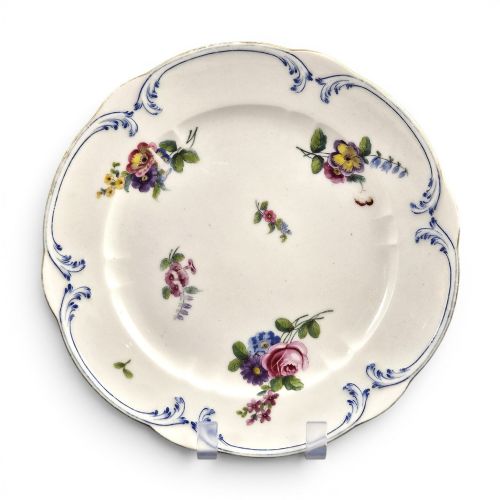
When searching for hand painted sevres porcelain, buyers encounter a mix of authentic 18th-century royal pieces and later 19th-century revival works created in the same French taste. The selection ranges from cabinet plates and lidded vases to elaborate mantel clocks framed in ormolu and gilt bronze.
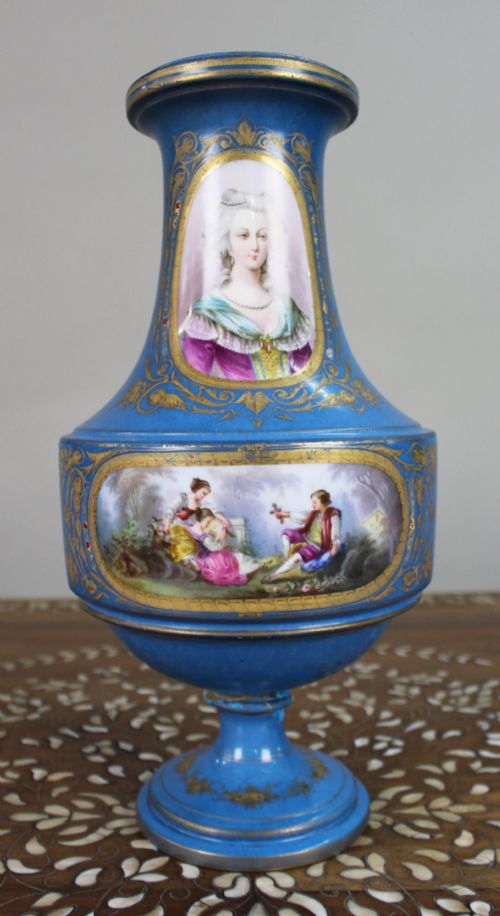
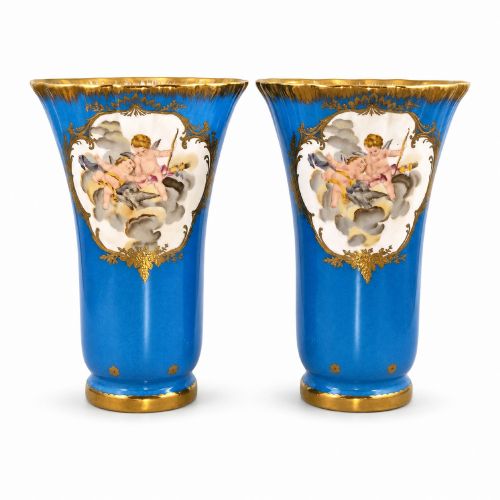
Nineteenth-century interpretations dominate current choices, often bearing bleu céleste grounds, portrait panels and detailed floral scenes inspired by earlier royal commissions. Alongside factory pieces appear related works from Paris makers and English potteries working in the same aesthetic.
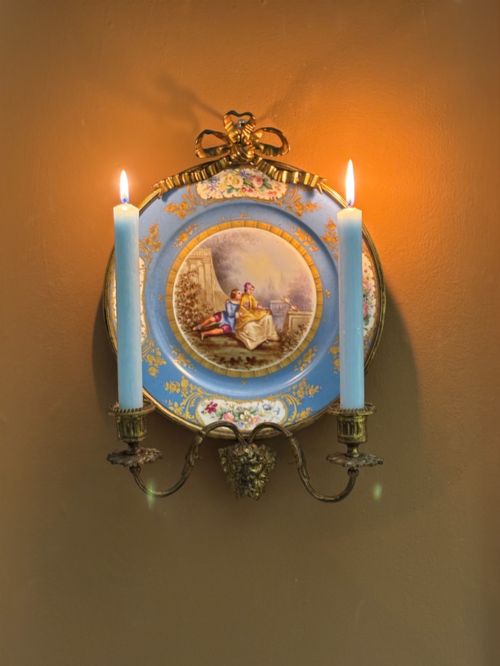
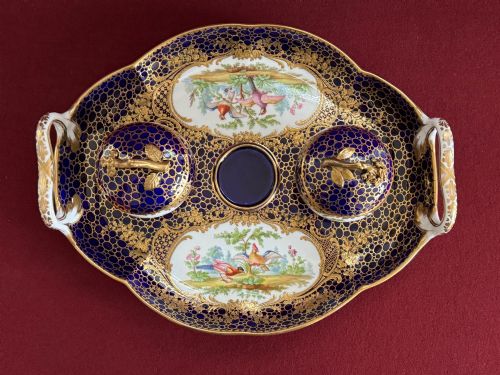
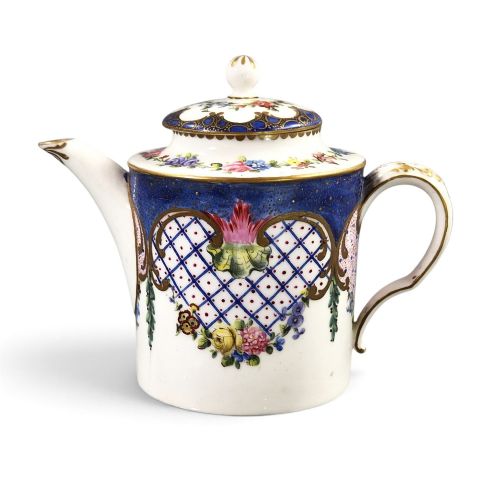
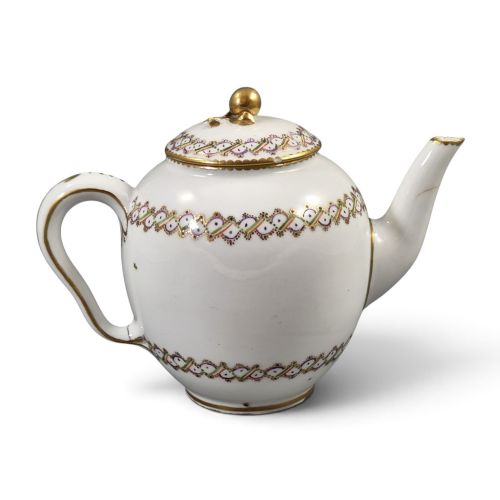
Functional items such as teapots, cups and inkstands sit beside purely decorative items like jewellery caskets, wall candelabra and oil lamps. Each form demonstrates the ambition of French decorative arts across the Victorian era and preceding periods.
How they were made
Makers utilised soft-paste and hard-paste porcelain bodies, shaping them into plates, urns and vessel forms before applying coloured enamel grounds. Cobalt blue and turquoise tones serve as backgrounds for hand-painted subjects including portraits, landscapes and floral arrangements.
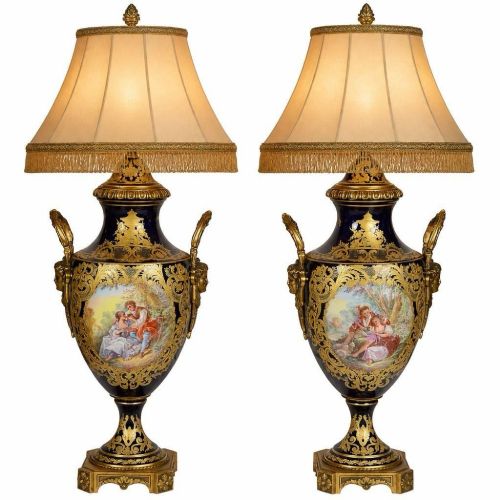
Gilding with gold leaf and gold plate highlights the ceramic contours, frequently paired with cast gilt bronze, ormolu or champlevé enamel mounts. Clock movements and metal fittings integrate directly with the ceramic bodies to form unified decorative objects.
Hand Painted Sevres Porcelain Retail Price Guide 2026
Typical asking prices for hand painted sevres porcelain among the pieces listed under this phrase on Sellingantiques today, from the lower quarter to the upper quarter. They describe what is for sale here now, not the wider market.
A walking sword stick conceals porcelain within its frame, proving that decorative refinement once accompanied gentlemen on daily strolls.
What varies in quality
The precision of the hand-painted brushwork distinguishes standard production from exhibition-grade examples, particularly in facial details, gilding density and enamel purity. Superior pieces display meticulous miniature painting framed by crisp, heavy ormolu mounts rather than plain metal castings.
Historical authenticity and maker attribution influence standing, as genuine 18th-century items carry different weight compared to later revival pieces from Parisian workshops. The crispness of the porcelain moulding and the integration of the bronze mounts indicate the original workshop standards.
Japy Freres·PH Mourey·Le Roy et Fils·Ambroise Michel·Samson Paris
The Hand Painted Sevres Porcelain Glossary
- Bleu céleste
- A bright turquoise blue ground colour used on porcelain bodies, popularised during the 18th century and frequently imitated in later revival pieces.
- Ormolu
- Gilded bronze mounts and decorative hardware applied to clocks, vases and caskets, providing structural framing and ornamental contrast to the porcelain.
- Soft-paste
- An artificial porcelain composition fired at lower temperatures than hard-paste, characteristic of early factory production and noted for its warm glaze texture.
- Champlevé
- An enamelling technique where troughs are dug into a metal surface and filled with vitreous enamel before firing, often seen on clock dials and mounts.
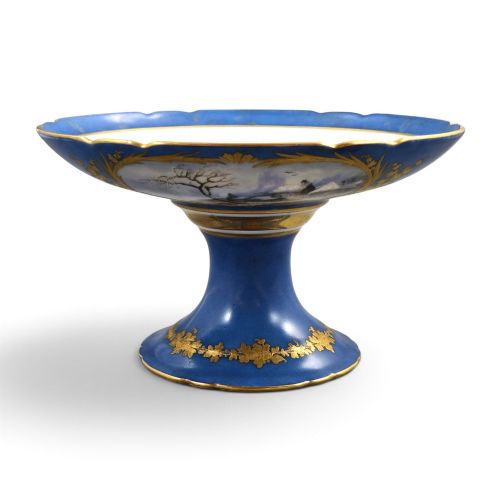
- Tazza
- A shallow ornamental cup or plate raised on a stem and foot, utilised for display purposes on sideboards and tables.
Hand Painted Sevres Porcelain: Frequently Asked Questions
How do I identify authentic pieces?
Authentic factory items carry specific underglaze marks and painted ciphers corresponding to their production period. Revival pieces from the 19th century often display style marks indicating their Parisian origin.
Examining the weight of the bronze mounts and the finesse of the hand-painted enamel provides further guidance on attribution and age.
Were these items meant for daily use?
While tea wares and dinner plates were functional objects, many decorative plates, vases and caskets served purely as display pieces in formal salons. Their delicate gilding and intricate enamel work meant owners prized them for visual presentation.
Surviving mantel clocks and centrepieces highlight how ceramic and metal art combined to furnish wealthy households.
How should I clean porcelain with ormolu mounts?
Dust surfaces gently with a soft, dry brush to avoid scratching the delicate enamel or wearing the gold leaf. Metal mounts require care to prevent cleaning agents from touching the adjacent ceramic body.
Professional conservation advice helps maintain the stability of mixed-media objects containing both porcelain and bronze elements.
What is the difference between factory pieces and revival styles?
Original factory items date back to the 18th-century French royal establishments and carry period specific paste compositions. Revival pieces emerged during the 19th century in France and England, adopting the same aesthetic vocabulary.
Both categories demonstrate high standards of hand painting, but their historical context and manufacturing dates differ significantly.