

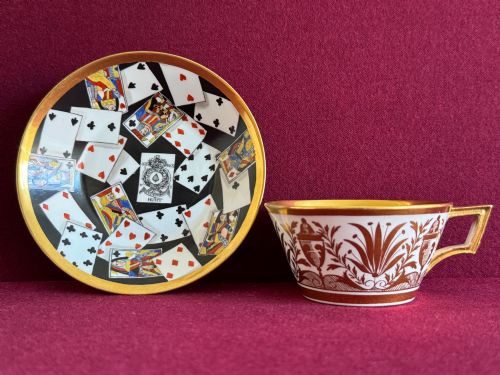
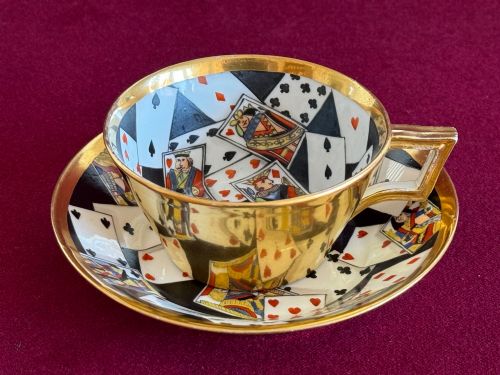
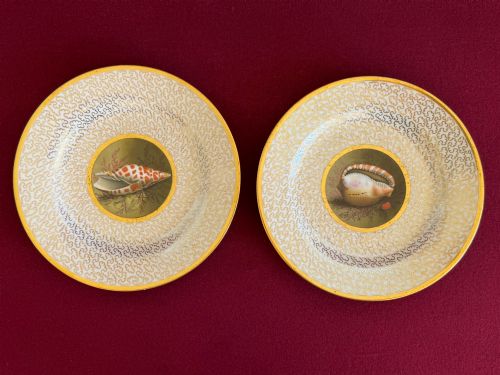
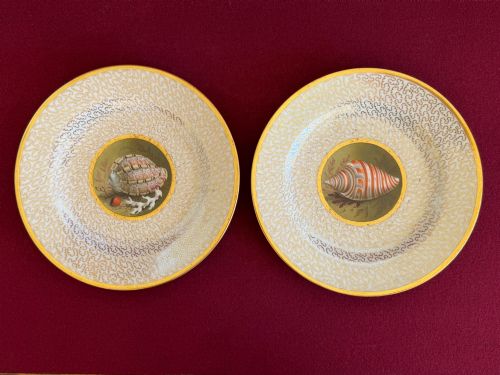
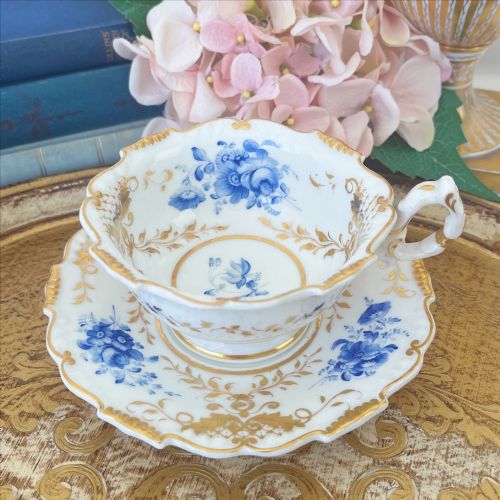
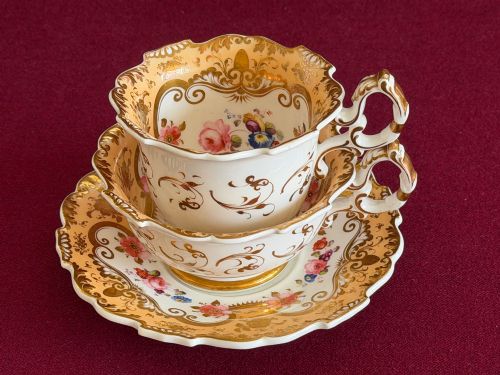
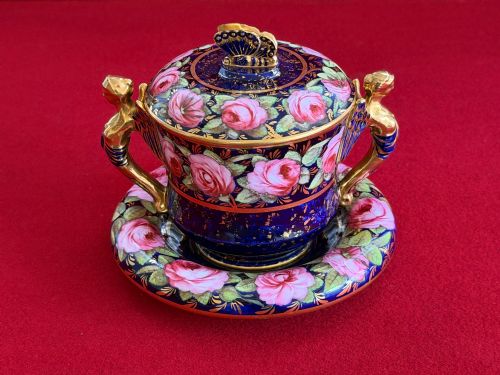
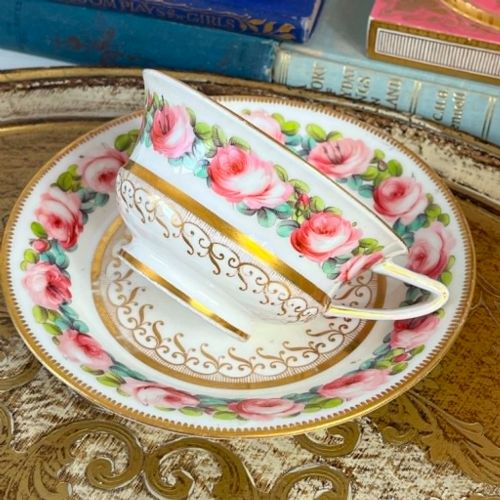
Hand Painted Saucer
A hand painted saucer reveals the delicate brushwork and ceramic mastery of centuries past, offering collectors a tangible piece of fine tabletop artistry.
Hand Painted Saucer
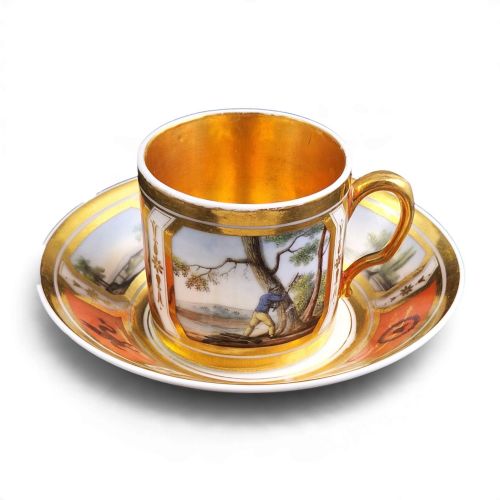
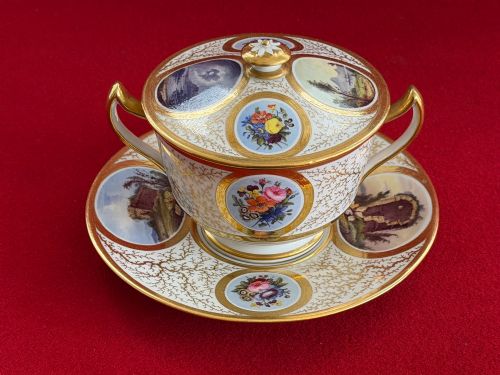
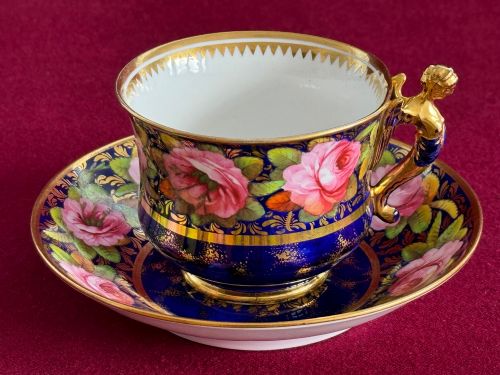
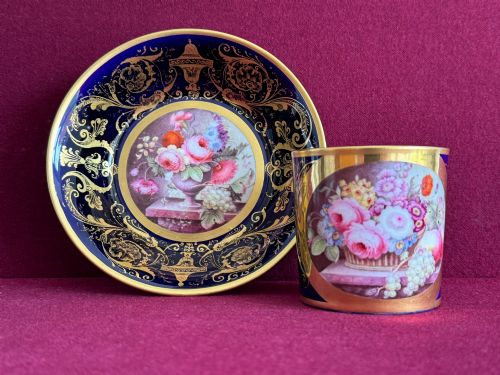
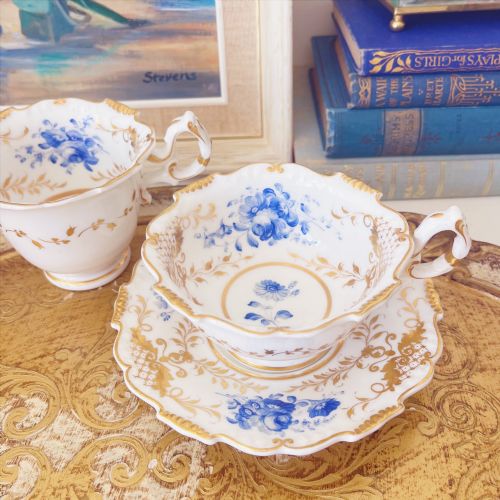
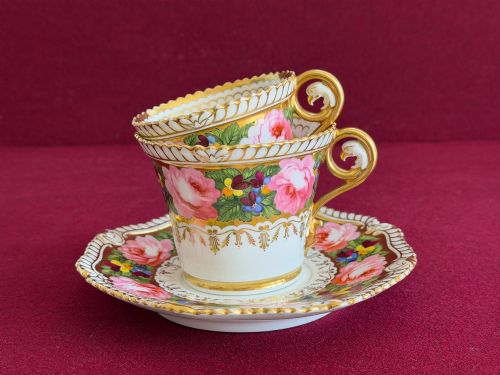
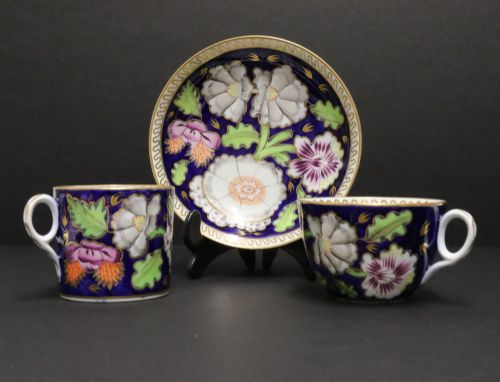
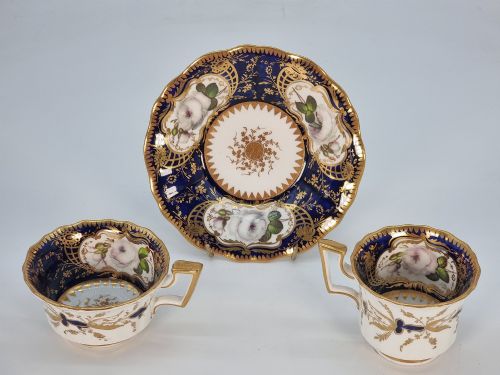
When you search for a hand painted saucer, you encounter small ceramic dishes originating from the eighteenth, nineteenth, and early twentieth centuries. Many survive as part of trios or duos alongside matching cups, while others appear as individual cabinet pieces.
The selection ranges from early English porcelain factories like Worcester and Coalport to continental workshops such as Meissen, Sèvres, and KPM Berlin. These items served both functional tea service roles and decorative display functions in period homes.
How they were made
Potters shaped these vessels using soft-paste or hard-paste porcelain, as well as bone china, before applying underglaze or overglaze pigments by hand. Artisans utilised fine hair brushes to render intricate botanical studies, landscapes, and birds.
Gilding with gold leaf or liquid gold highlights rims and borders, often fired multiple times in a kiln to bond the precious metal to the ceramic surface.
Hand Painted Saucer Retail Price Guide 2026
Typical asking prices for hand painted saucer among the pieces listed under this phrase on Sellingantiques today, from the lower quarter to the upper quarter. They describe what is for sale here now, not the wider market.
A tiny painted ladybug hidden beneath a leaf motif was sometimes added by porcelain painters as a private signature.
What varies in quality
The standard of execution in the painted brushwork dictates much of the distinction between ordinary utility wares and exceptional cabinet pieces. Master painters achieved remarkable shading and anatomical precision in floral motifs and figures.
The purity of the porcelain body, the complexity of the moulded shapes, and the richness of the gilding further separate standard production items from distinguished factory commissions.
H and R Daniel·Chamberlain Worcester·Coalport·Royal Worcester·New Hall
The Hand Painted Saucer Glossary
- Soft-Paste Porcelain
- A glassy ceramic composition fired at lower temperatures than hard-paste, common in early English factories. It produces a warm, creamy translucency.
- Hard-Paste Porcelain
- A true porcelain made from kaolin and petuntse fired at high temperatures. This formula yields a durable, bright white body.
- Gilding
- The application of gold leaf or powdered gold onto ceramic surfaces for decoration. It often frames hand-painted panels and rims.
- Cabinet Plate
- A decorative ceramic dish intended for display in a cabinet rather than for daily dining use. These often feature elaborate painted scenes.
- Trio
- A matching set comprising a teacup, a coffee cup, and a saucer. They were popular in nineteenth-century formal tea service.
Hand Painted Saucer: Frequently Asked Questions
How do I identify eighteenth-century saucers?
Eighteenth-century examples often display specific paste characteristics, such as the warmer tones of early English soft-paste porcelain or distinct blue underglaze marks. Factory periods and specific painter marks also help date these fragile items.
Examining the foot ring and glaze pooling provides further clues to the manufacturing era and regional origin of the ceramic.
Were these items meant for daily use?
Many nineteenth-century pieces formed part of working tea and coffee services for affluent households. Over time, surviving specimens transitioned into cabinet displays due to their delicate hand-painted surfaces.
Careful handling remains necessary today to preserve the fragile overglaze enamels and delicate gold leaf details.
What is a cabinet cup and saucer?
A cabinet cup and saucer set was created primarily for display in a drawing room glass case rather than for drinking tea. These pieces showcase the highest artistic capabilities of the porcelain manufactory.
They frequently feature elaborate hand-painted landscapes, botanical studies, or gilded presentations.
Why do some saucers lack cups?
Teacups experienced much higher breakage rates through daily use and washing over the centuries, leaving many matching saucers to survive on their own. These solitary dishes now function as decorative cabinet plates or small decorative dishes.
Collectors often acquire them to appreciate the painted motifs without needing the complete set.