

Hand Painted Rose Porcelain
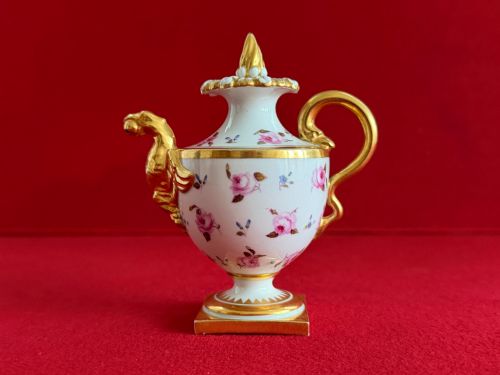
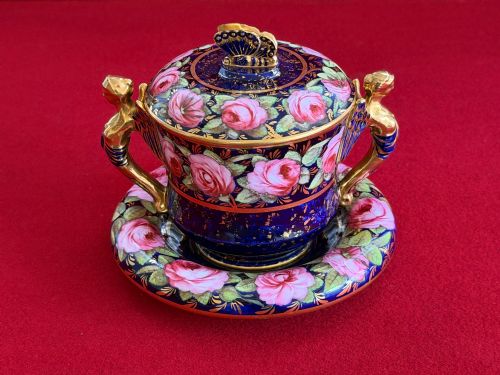
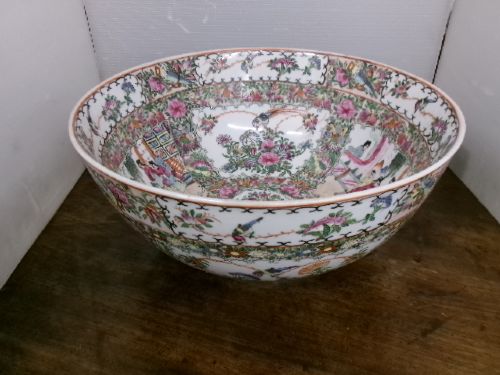
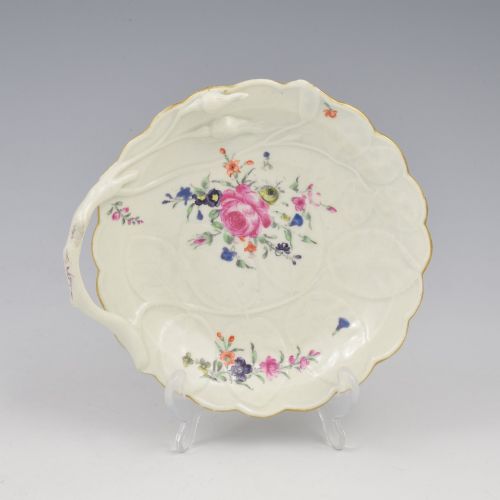
Hand painted rose porcelain brings together floral decoration and ceramic forms from English and Chinese traditions.
Hand Painted Rose Porcelain
Hand painted rose porcelain comprises vessels and tableware decorated with floral motifs, encompassing items collected under the search phrase hand painted rose porcelain. The selections span centuries of ceramic production across multiple continents.
English factories and Chinese kilns dominate the forms available. Buyers encounter bowls, teapots, vases and cabinet plates originating from Georgian, Victorian and later periods.
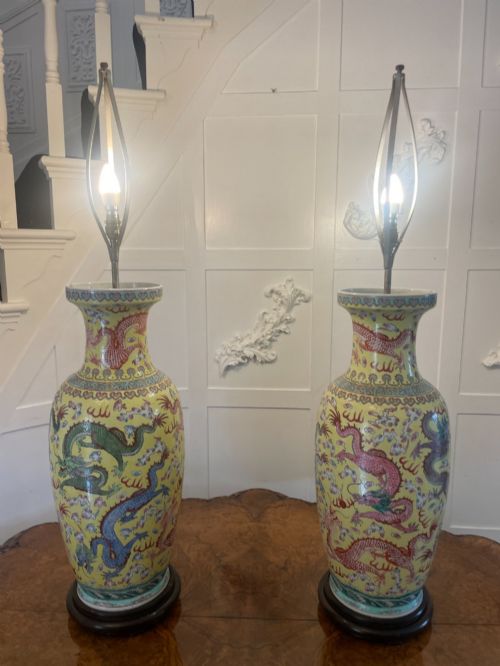
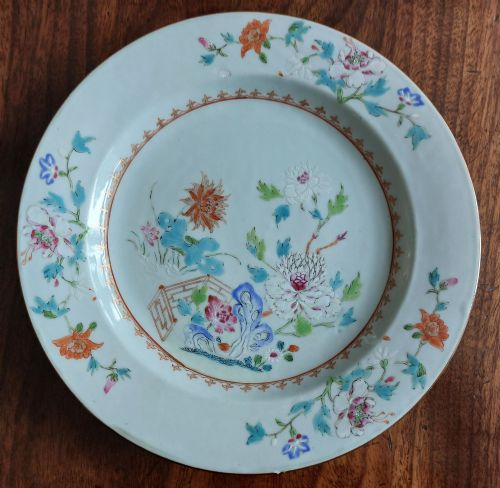
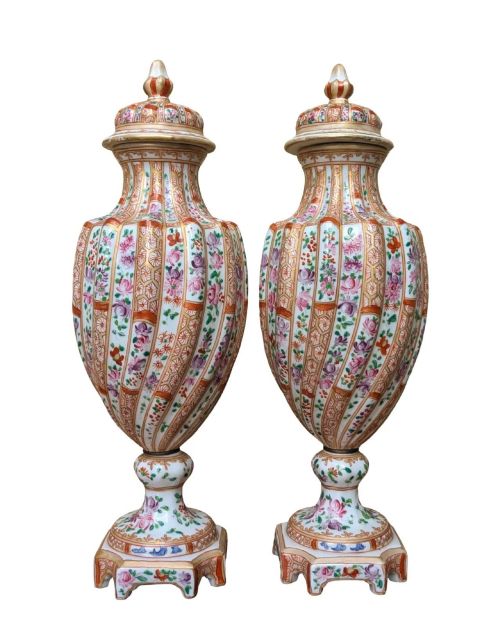
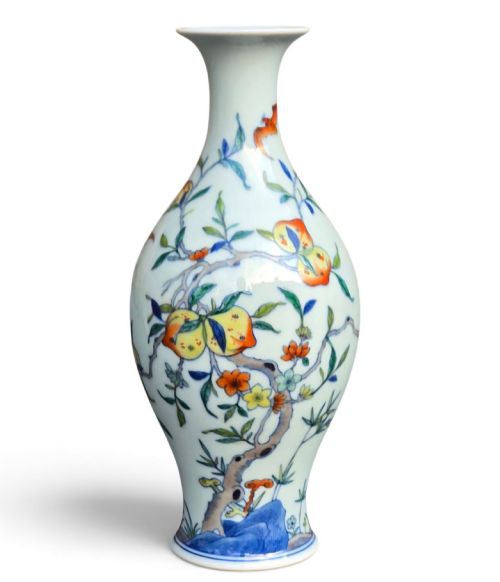
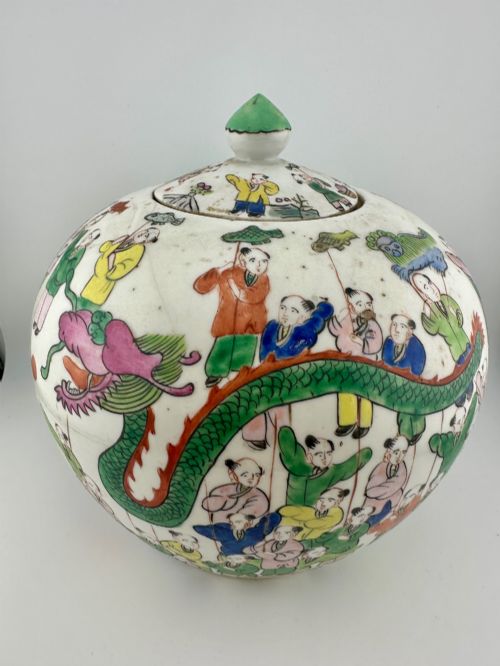
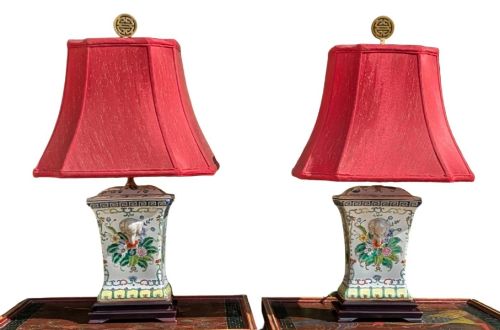
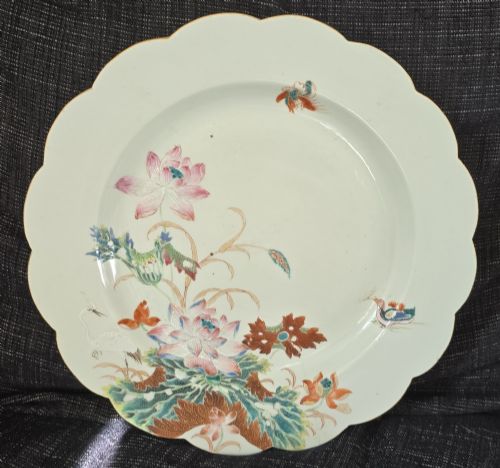
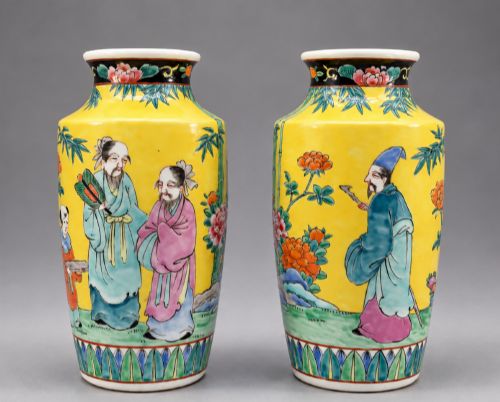
Famille rose wares from China and botanical tea wares from English works represent the main aesthetic categories. These pieces combine utilitarian shapes with detailed floral painting executed over glaze.
How they were made
Makers shaped porcelain clay into vessels before applying base glazes and firing the pieces in kilns. Overglaze enamels provided the palette for botanical and floral subjects.
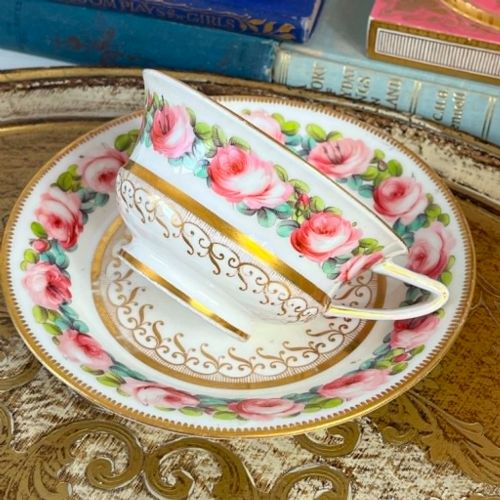
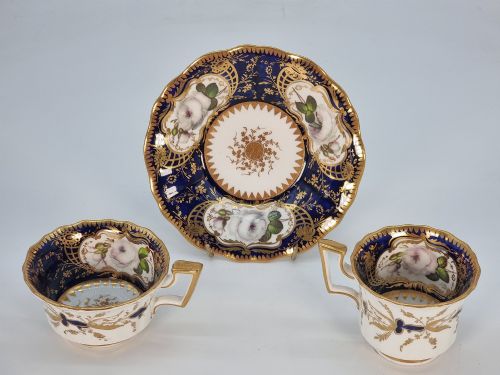
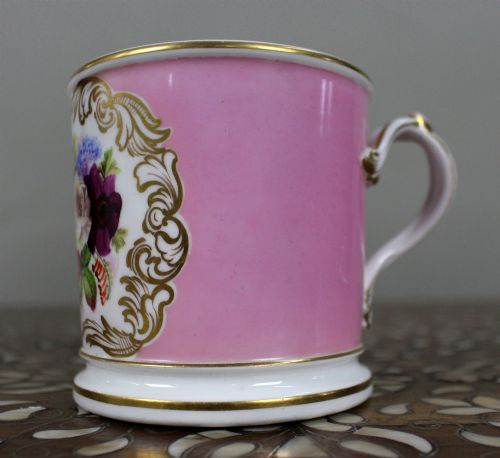
Painters applied pigments by hand, sometimes incorporating gold leaf, gilt and gilding to accentuate rims and borders. Enamel colours fused to the ceramic surface during subsequent low-temperature firings.
Some nineteenth century tea cups feature tiny pink cabbage roses painted inside the rim for the drinker to discover.
What varies in quality
Quality rests in the precision of the brushwork and the delicacy of the painted detail. Superior examples display controlled brush strokes and well-defined floral subjects.
The clarity of the glaze and the execution of gilding separate standard production from finer cabinet pieces. Potteries achieved different levels of refinement in body composition and enamel application.
Flight Barr and Barr·Grainger Worcester Porcelain·Samson of Paris·Bloor Derby Porcelain
The Hand Painted Rose Porcelain Glossary
- Famille Rose
- A palette of opaque enamel colours dominated by pink, originating in Chinese ceramics during the Qing Dynasty. The term translates to the pink family.
- Overglaze Enamel
- Glassy pigments applied on top of a fired and glazed ceramic body, then fixed with a second firing. This technique allowed for a wide range of bright colours.
- Gilding
- The application of gold leaf or powdered gold to ceramic surfaces for decoration. It often highlights handles, rims and painted panels.
- Biscuit
- Unglazed ceramic fired once to a porous state before the application of glaze. Some decorative forms utilise biscuit elements in their construction.
Hand Painted Rose Porcelain: Frequently Asked Questions
What is famille rose porcelain?
Famille rose denotes Chinese ceramics decorated with an opaque pink enamel palette introduced during the Qing Dynasty. The style encompasses various floral and figural motifs executed over glaze.
Artisans utilised this colour scheme on bowls, plates and vases intended for both domestic use and export markets.
How do I date English rose porcelain?
Dating English pieces relies on factory marks, pattern numbers and stylistic shifts observed across the Georgian and Victorian eras. Shape and paste composition also offer clues to the period of manufacture.
Reference guides match pattern numbers to specific years of factory production.
Where were these ceramics made?
Production centres include major European porcelain works in England and France alongside imperial and export kilns in China. Chinese wares often arrived through trade routes via Canton.
European factories developed distinct regional styles while absorbing design influences from abroad.
How should I display antique porcelain?
Displaying these pieces requires stable shelving away from direct sunlight to protect enamel colours and gilding. Enclosed cabinets provide protection from dust and accidental impacts.
Items should rest on flat surfaces without weight bearing upon handles or fragile rims.