

Hand Painted Rose Ceramic
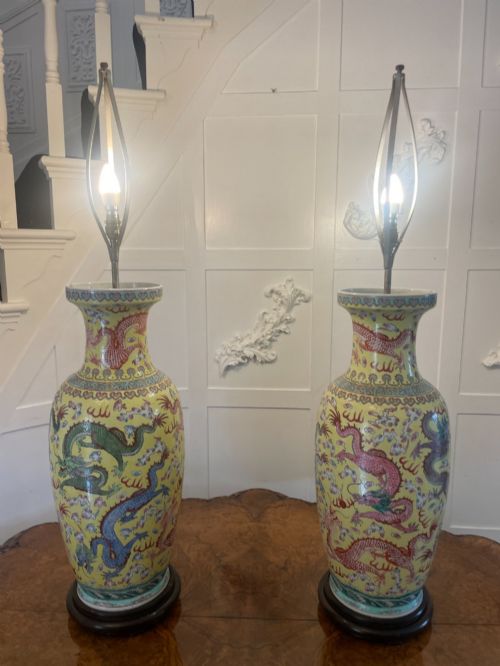
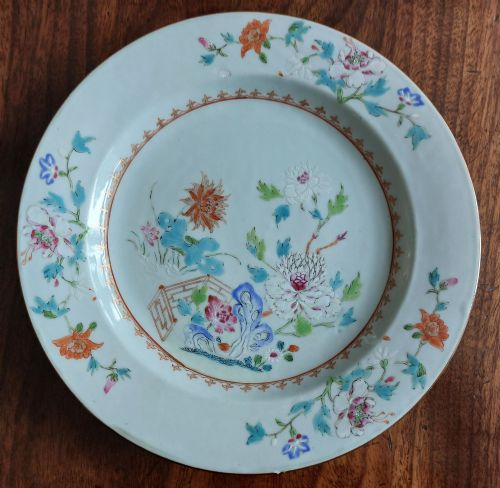
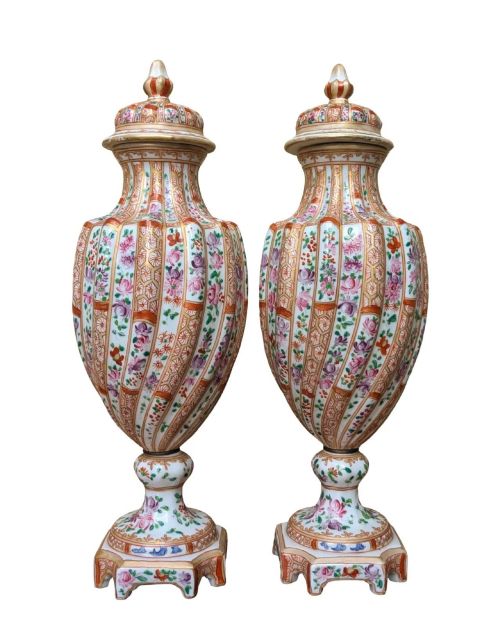
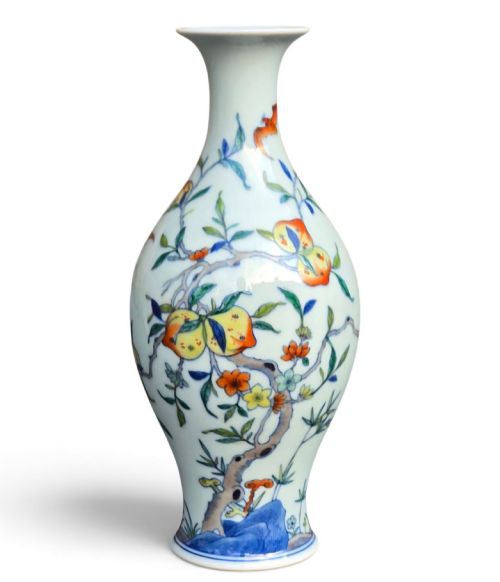
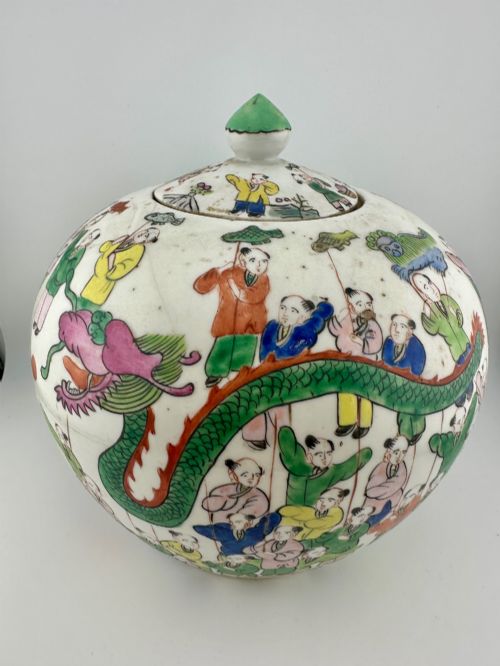
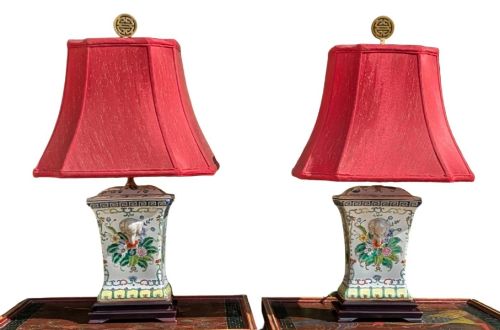
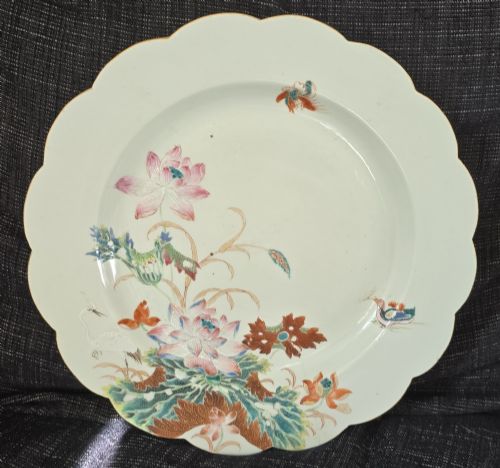
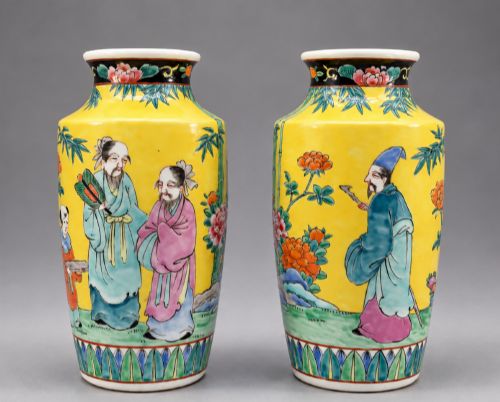
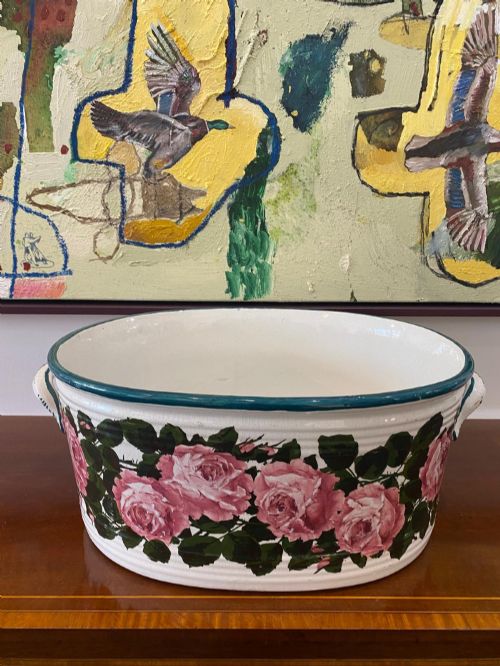
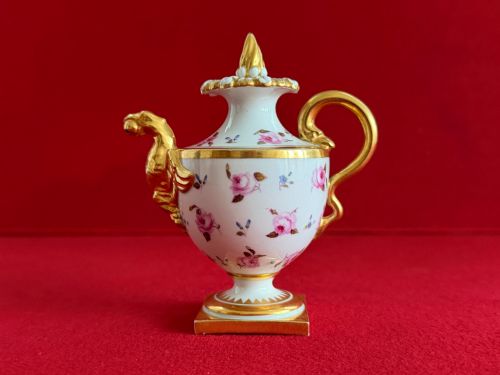
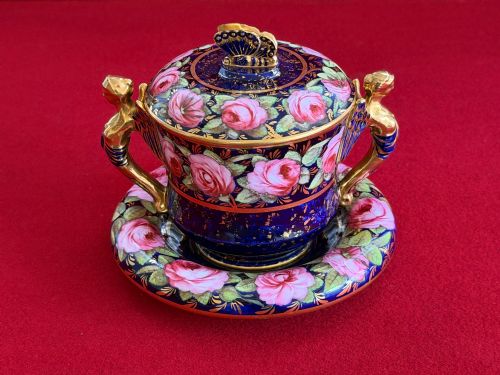
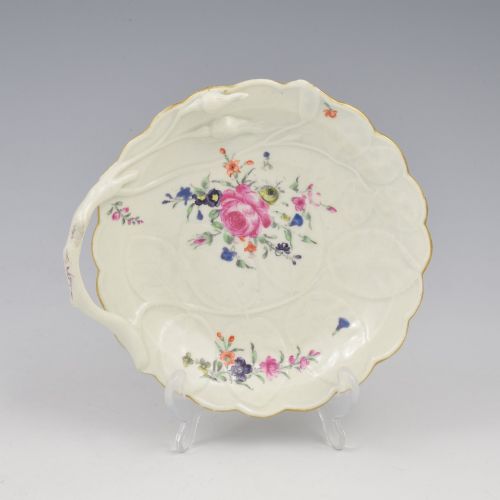
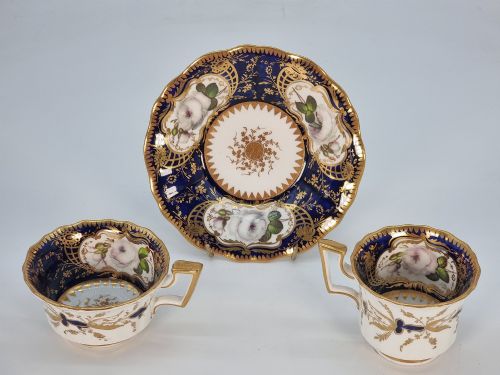
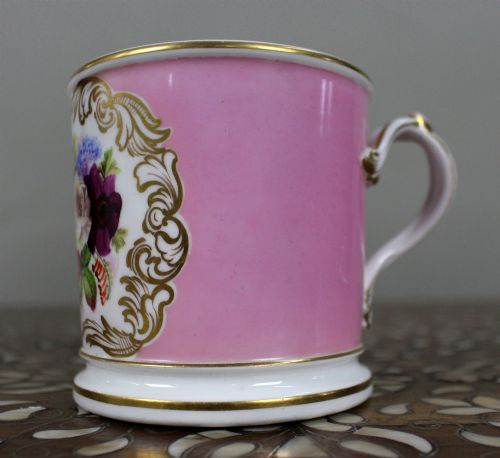
These hand painted rose ceramic pieces bring together centuries of global pottery traditions, offering intricate floral decoration on porcelain and earthenware.
Hand Painted Rose Ceramic
When searching for hand painted rose ceramic, collectors encounter a diverse array of items ranging from 18th-century Chinese export plates to 19th-century English porcelain tea wares and decorative bowls.
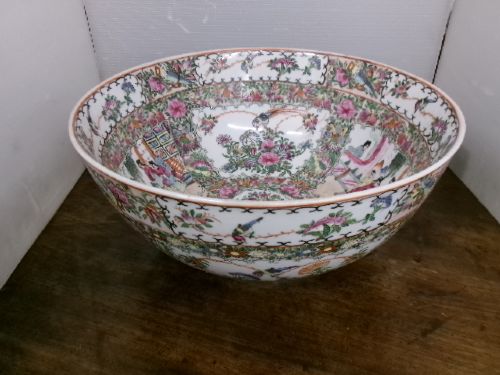
The most common examples on this page are Chinese Canton and Famille Rose pieces alongside English factory productions from Worcester, Derby, and Coalport.
Forms span from large chargers and punch bowls to delicate teapots, vases, and sweetmeat dishes created across the Georgian, Victorian, and later periods.
How They Were Made
Potters shaped porcelain and earthenware bodies before applying complex glaze layers and detailed overglaze enamels by hand.
Many items incorporate gold leaf, gilt, and gilding to accentuate painted motifs, fired repeatedly to bond the metallic elements to the ceramic surface.
Listings feature 18th-century Qing Dynasty porcelain alongside 19th-century English earthenware and French decorative vessels.
What Varies in Quality
The distinction between standard domestic wares and top-tier cabinet pieces lies in the precision of the brushwork and the complexity of the polychrome enamel palette.
Superior examples display crisp definition in the floral and figurative details, balanced composition across the ceramic form, and well-preserved gilding without excessive rubbing.
Wemyss·Flight Barr And Barr·Derby Porcelain·Charles Vyse·Samson Of Paris·Coalport
The Hand Painted Rose Ceramic Glossary
- Famille Rose
- A major palette of Chinese ceramic enamels introduced in the Qing dynasty, dominated by opaque pink and rose colours.
- Charger
- A large decorative plate or dish, typically intended for display on a sideboard or wall rather than for dining use.
- Enamel
- Opaque glass-like coloured compositions fused to the ceramic surface through firing to create detailed painted designs.
- Gilding
- The application of gold leaf or powdered gold to ceramic surfaces, used to highlight rims, handles, and painted motifs.
- Biscuit
- Fired unglazed ceramic pottery that provides a porous base for subsequent glazes and enamel painting.
Hand Painted Rose Ceramic: Frequently Asked Questions
How do I date these ceramics?
Dating relies on stylistic markers, factory marks, and the specific characteristics of the enamel colours used during different eras.
Comparing potting techniques and base treatments helps distinguish 18th-century pieces from later 19th-century reproductions or continuations.
Were these items meant for daily use?
Many items such as teapots, cups, and bowls served practical functions in period dining and domestic service.
Larger chargers, jardinieres, and decorative vases were primarily created for interior display and ornamentation.
How should I clean my ceramics?
Gentle dusting with a soft, dry cloth is usually sufficient for maintaining glazed and enamelled surfaces.
Harsh detergents, scrubbing, and immersion in water should be avoided, particularly on pieces with delicate gilt or overglaze enamel details.
What is the difference between Canton and Famille Rose?
Famille Rose describes a specific pink enamel palette used across Chinese porcelain, while Canton refers more broadly to wares decorated in the port of Guangzhou.
Canton pieces frequently combine Famille Rose floral panels with green Famille Verte elements and figural scenes.