


Hand Painted Pottery Table
These hand painted pottery table pieces bring together centuries of ceramic tradition, offering striking hand-painted decoration that transforms antique vessels and lamps into focal points for any room.
Hand Painted Pottery Table
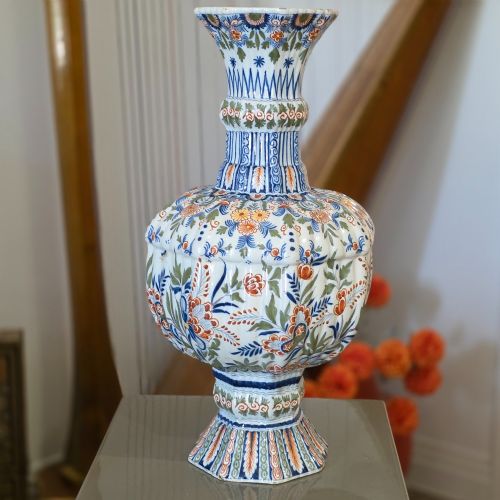
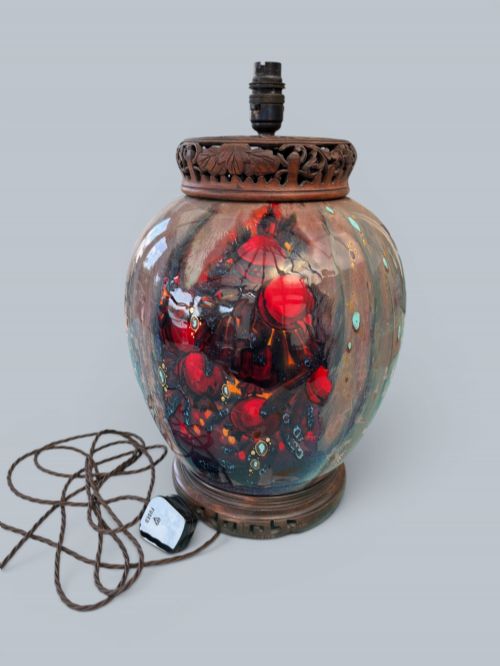
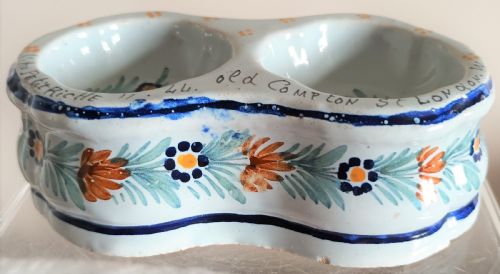
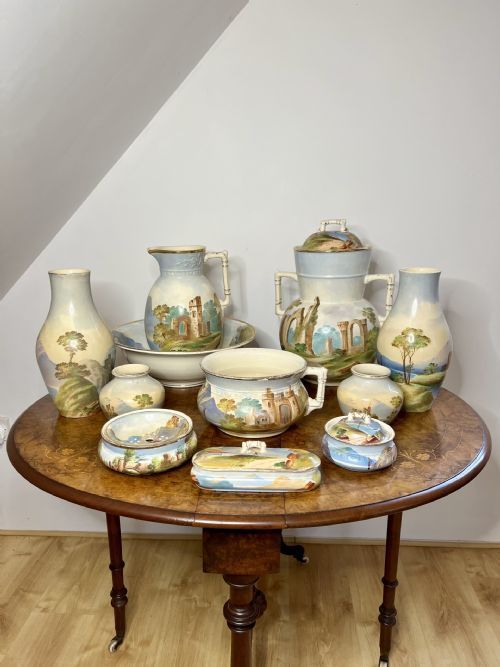
A hand painted pottery table piece typically takes the form of a converted vase, lamp, salt cellar, or miniature furniture item spanning the eighteenth, nineteenth, and early twentieth centuries. Buyers searching this phrase will frequently encounter ceramic and earthenware table lamps adapted from earlier Delft, Japanese, and European vases, alongside decorative salts and miniature clocks.
The selection ranges from Dutch Delftware and French faience to English art pottery and Japanese Kutani or Satsuma wares. Pieces from the nineteenth century predominate, alongside specific examples from the eighteenth and early twentieth centuries, reflecting diverse international ceramic traditions.
Forms vary from large baluster vases wired for lighting to small ornamental salt cellars and miniature longcase clocks. Many items represent traditional vessels later repurposed for table use, such as ginger jars and mantel clocks fitted with electrical components or mechanical movements.
Materials and production techniques
Makers utilised earthenwares, ceramics, porcelain, and ironstone as foundational bodies, often shaped by hand or thrown on a wheel before receiving intricate hand-painted pigments. Glazes and enamel finishes were applied to seal the porous clay bodies and provide a glossy or satin sheen over the painted designs.
Decoration relied heavily on direct brushwork, incorporating blue and white pigments, polychrome enamels, and occasional touches of gold leaf. Many items combine fired ceramic bodies with supplementary base materials such as brass fittings or wooden mounts, particularly on pieces adapted into table lamps.
Listings feature items from the eighteenth, nineteenth, and early twentieth centuries, utilising earthenware, porcelain, brass, and gold leaf.
Quality differences across the range
Quality rests upon the precision and complexity of the hand-painted brushwork, the crispness of the ceramic moulding, and the preservation of the glaze or enamel surface. Superior examples demonstrate confident, detailed artistry from established potteries or named designers, whereas simpler items display standard commercial output.
The integrity of the physical form and any later alterations, such as lamp conversions, influence the overall standard of a piece. Original components, stable mounting, and minimal wear to the painted surface distinguish the finer survivals from heavily handled or repaired examples.
Moorcroft Art Pottery·HB Quimper·Royal Doulton·Charlotte Rhead·Miles Mason·Wedgwood·Samuel Alcock·Poole Pottery
The Hand Painted Pottery Table Glossary
- Delftware
- Tin-glazed earthenware originating in the Netherlands, typically decorated in blue and white. It is renowned for imitating Chinese porcelain styles.
- Faience
- European tin-glazed earthenware, often French or Italian in origin. This term covers various glazed ceramics with opaque white or coloured grounds.
- Kutani
- Japanese porcelain or pottery decorated with vibrant overglaze enamels. These wares often incorporate detailed pictorial scenes and intricate border patterns.
- Ironstone
- A heavy, durable type of ceramic patented in the nineteenth century. It bridges the gap between earthenware and porcelain through its robust strength.
Hand Painted Pottery Table: Frequently Asked Questions
Are these lamps originally made as lamps?
Many ceramic lamp bases in this category started life as traditional vessels, such as vases or ginger jars, before being converted for electrical use at a later date.
This adaptation allows antique pottery to serve a functional role in modern interiors while retaining its original decorative surface.
What is Japanese Satsuma pottery?
Satsuma pottery consists of an earthenware body with a characteristic ivory-coloured, crackled glaze. It is traditionally decorated with detailed polychrome enamels and gilding.
Items from this tradition include large baluster vases and lamp conversions dating to the late nineteenth and early twentieth centuries.
How should I clean hand-painted pottery?
Hand-painted pottery and glazed surfaces require gentle dusting with a soft, dry cloth to prevent abrasion to the painted enamel or gold leaf.
Moisture and cleaning agents should be avoided unless necessary, particularly around wired lamp fittings or unglazed ceramic bases.