
Antique Table Ceramic
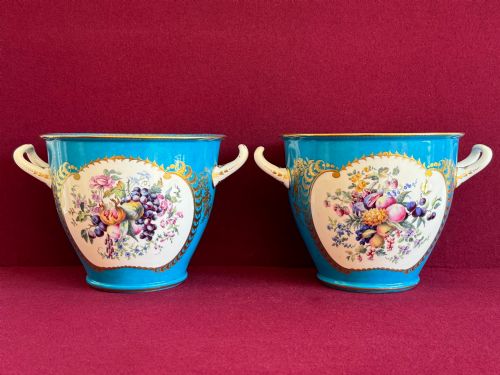
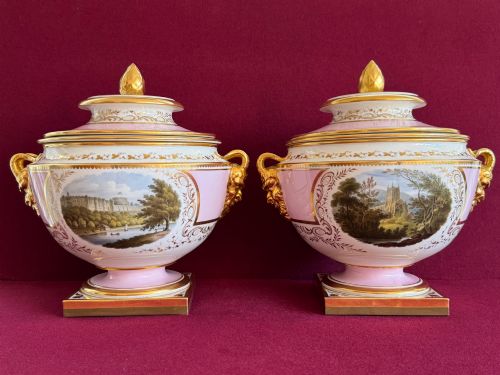
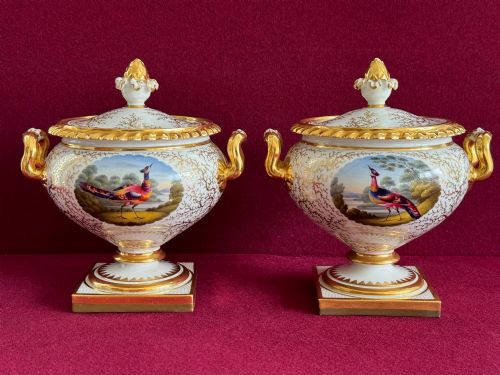
These antique table ceramic pieces unite utility and ornament, bringing historic glaze and painted detail directly into everyday rooms.
Antique Table Ceramic
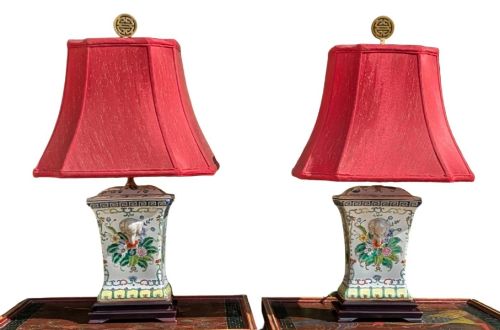
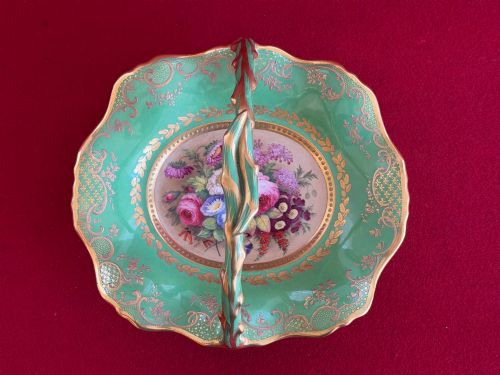
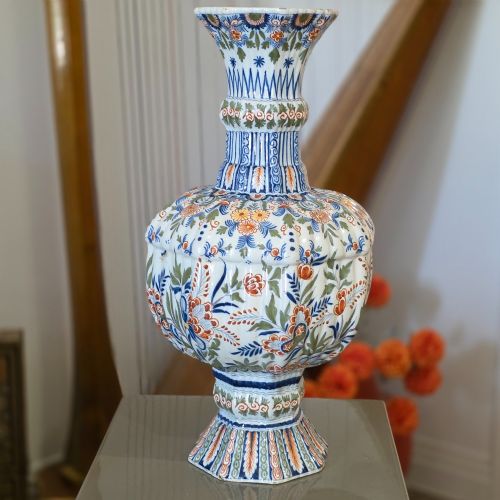
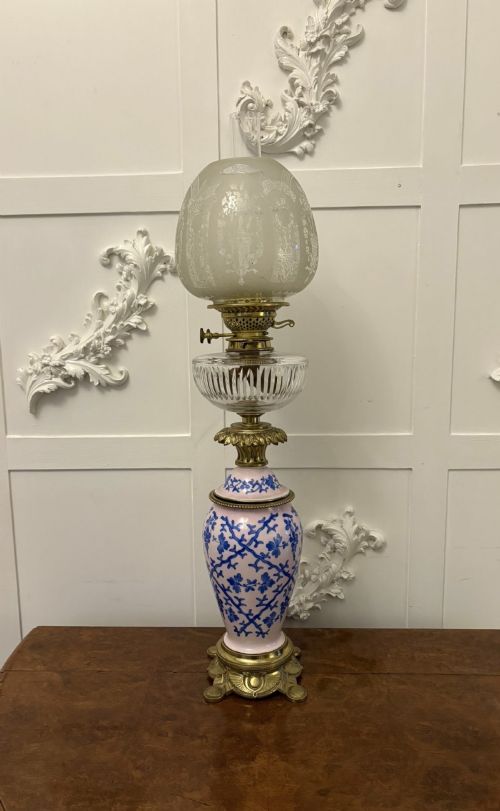
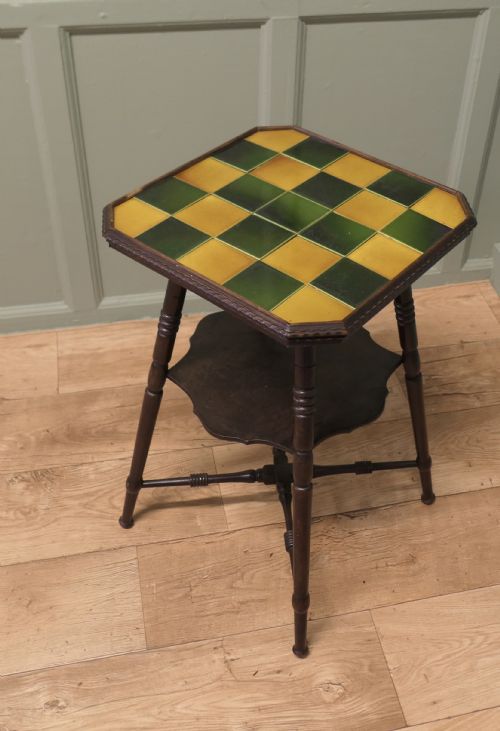
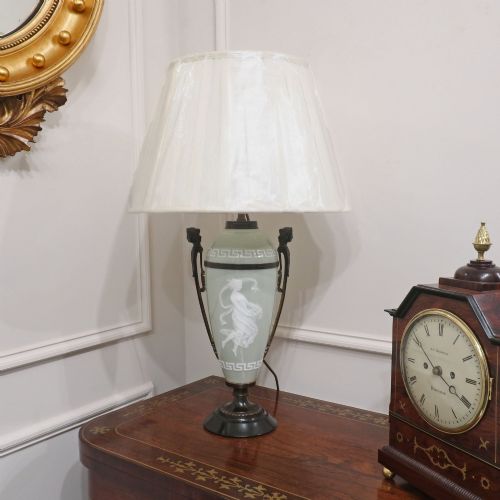
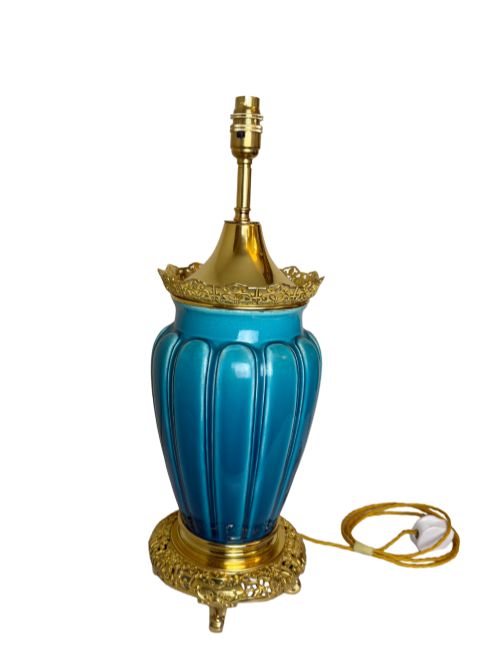
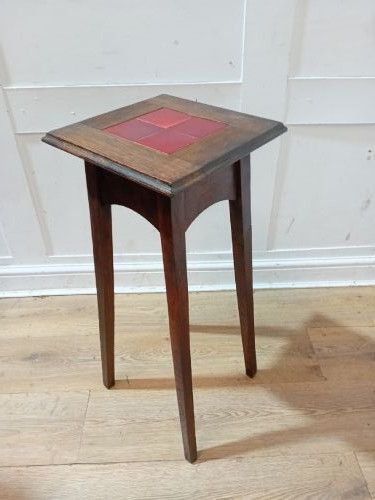
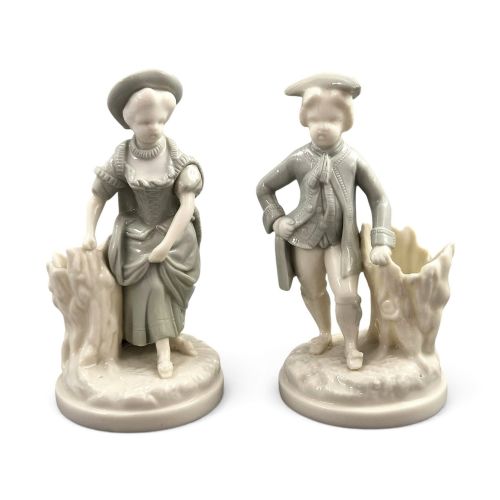
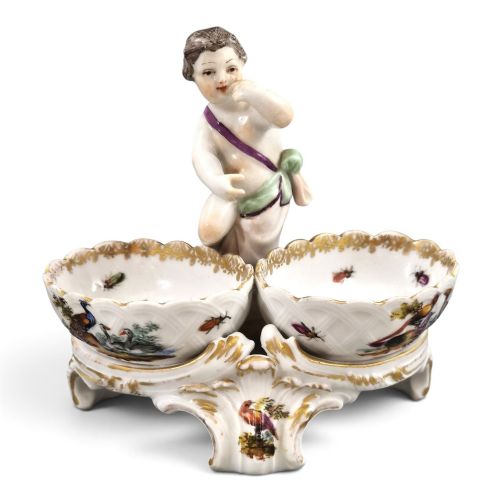
When you search for antique table ceramic, you encounter a varied group of objects ranging from functional lighting and tableware to occasional furniture inset with tiles. The selection spans centuries of domestic life, drawing on periods from the late seventeenth century through the Edwardian era and beyond. Table lamps and oil lamps dominate the forms, frequently converted from earlier vases or built explicitly with ceramic bodies. Alongside these lighting fixtures, you find salt cellars, side tables with ceramic or tiled tops, washstands, and decorative vessels.
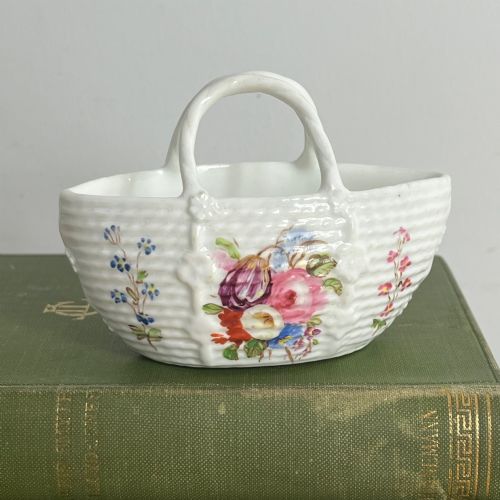
The material origins of these pieces stretch across European porcelain factories, English ironstone potteries, and Asian export wares. Many items reflect specific stylistic movements, including Arts and Crafts, Art Nouveau, Neoclassical, and Chinoiserie. Whether examining a miniature porcelain basket or a large glazed jar lamp, the physical presence combines fired earth with mounts of brass, bronze, or wood.
How They Were Made
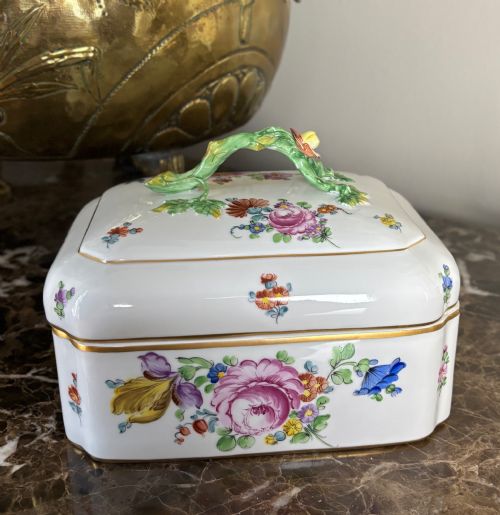
Makers shaped these objects using foundational ceramic bodies such as porcelain, earthenware, and ironstone, often applying hand-painted floral motifs, transfer printing, or rich coloured glazes. Many lighting pieces incorporate metal components, combining ceramic reservoirs or columns with cast brass, ormolu, and gilt bronze mounts. Tiled tables integrate decorative ceramic panels into wooden frames made of oak or mahogany.
Techniques range from delicate pate sur pate and cloisonne enamel to crackle ware finishes and hand-blown glass shades. Factories utilised specialised kilns and glazing methods to achieve distinct surface textures, from smooth blush ivory to deep blue and white designs.
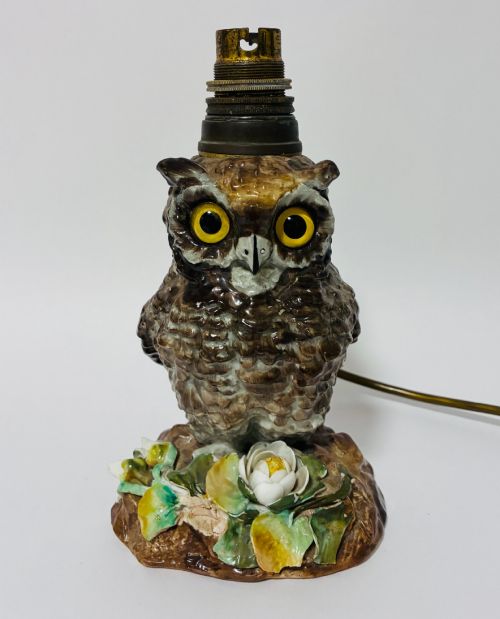
A ceramic owl lamp base stands ready to watch over the desk.
What Varies in Quality
Quality rests in the crispness of the modelling and the execution of hand-painted details. Finer examples display precise brushwork, controlled glaze pooling, and harmonious integration between the ceramic body and any metal mounts. Lesser pieces show mechanical transfer work or heavier, less refined structural framing.
The integrity of the conversion matters significantly for items altered from vases or oil lamps into modern table lamps. Superior specimens retain their original proportions and mounts without compromising the underlying ceramic form.
Flight Barr And Barr·Shapland And Petter·Dresden·Royal Worcester·KPM Berlin·Masons Ironstone·Sitzendorf·Hicks And Meigh·Jacob Petit·John Davenport Of Longport·Moorcroft·Royal Vienna·HB Quimper·Hinks And Taylor Tunnicliff·WF Needham
The Antique Table Ceramic Glossary
- Pate Sur Pate
- A porcelain decoration technique where liquid clay is applied layer by layer in relief to create a cameo effect. This method requires considerable skill to build up translucent details against a contrasting background.
- Ironstone
- A heavy, durable type of earthenware patented in the nineteenth century to imitate Chinese porcelain. It resists chipping and served as a standard medium for robust domestic wares and decorative items.
- Ormolu
- Gilt bronze mounts used to accent decorative ceramics and furniture. The technique involves applying a gold amalgam to bronze, producing a bright metallic finish.
- Cloisonne
- An ancient metalworking technique employing wire partitions soldered to a base, with the resulting cellular spaces filled with enamel paste. These surfaces often appear on decorative vessels adapted into lamps.
- Faience
- Tin-glazed earthenware produced in France and other European regions. The porous clay body receives an opaque white glaze that accepts painted pigments before firing.
Antique Table Ceramic: Frequently Asked Questions
What is an antique ceramic oil lamp?
An antique ceramic oil lamp is a nineteenth-century lighting device featuring a ceramic reservoir or base, often paired with brass burners and a glass chimney. These objects utilised burning oil before widespread domestic electrification.
Many surviving examples have since been professionally converted into table lamps while retaining their original ceramic bodies and decorative mounts.
How do I identify Arts and Crafts tiled tables?
Arts and Crafts tiled tables typically feature solid oak frames supporting decorative ceramic tiles inset directly into the tabletop. These pieces date predominantly around the turn of the twentieth century and emphasise honest construction.
The tiles themselves often display hand-painted floral or geometric motifs characteristic of the period's reformist design ethos.
Are converted vase lamps authentic antiques?
Converted vase lamps are genuine historic vessels that have undergone adaptation to serve as modern lighting fixtures. This practice preserves fragile decorative ceramics by giving them a functional role in contemporary spaces.
Collectors assess these pieces by looking at the age of the underlying ceramic body and the quality of the mounting work.