




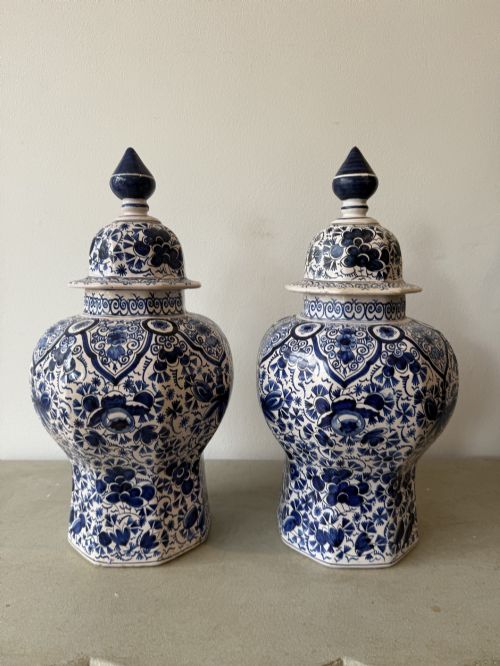
Hand Painted Pottery Jar
A hand painted pottery jar brings the weight of centuries and the warmth of the kiln into a room.
Hand Painted Pottery Jar
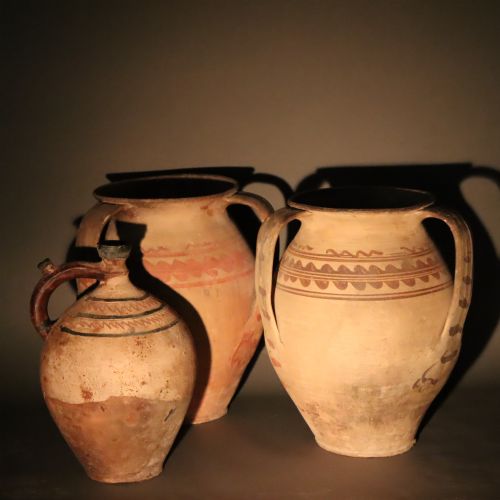
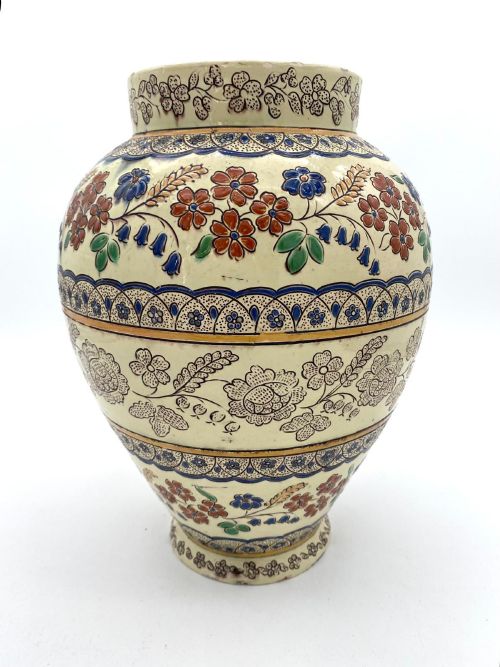
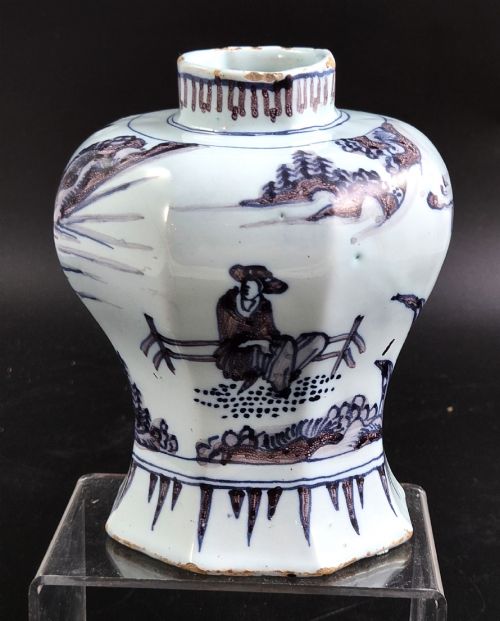
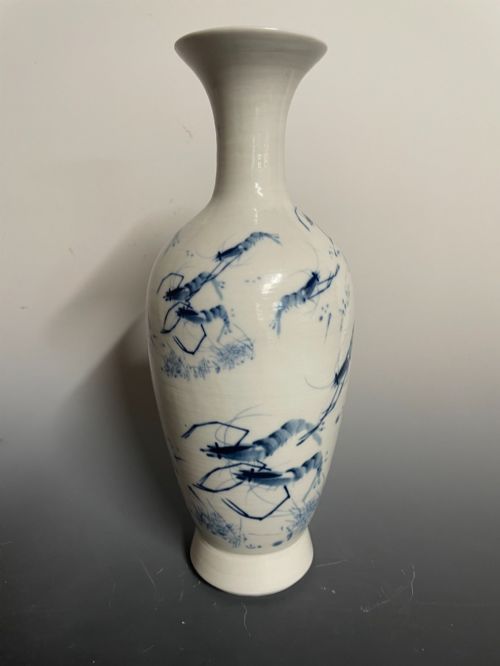
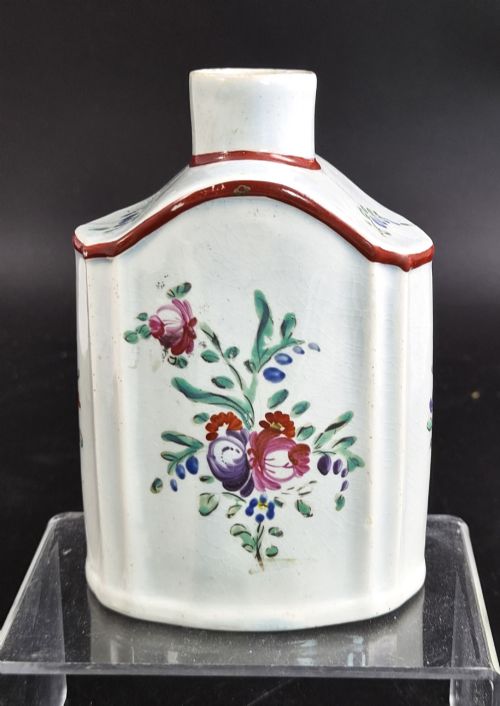
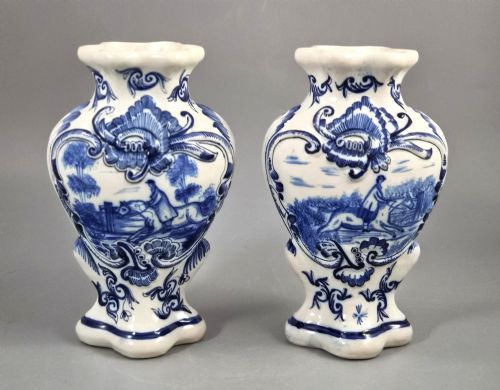
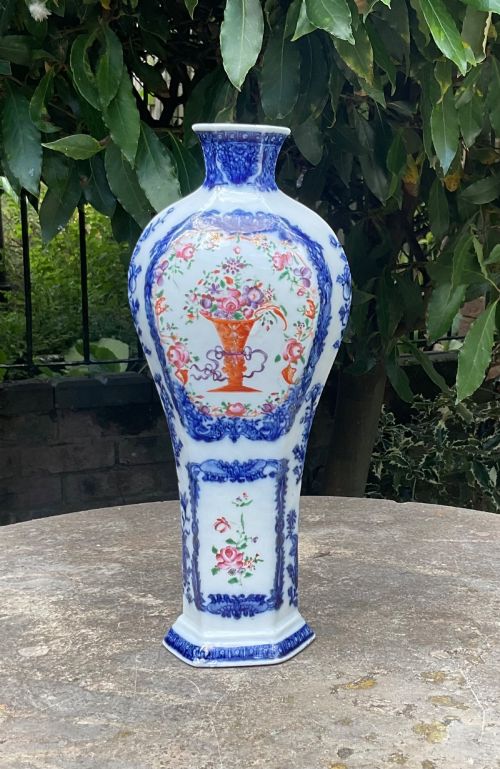
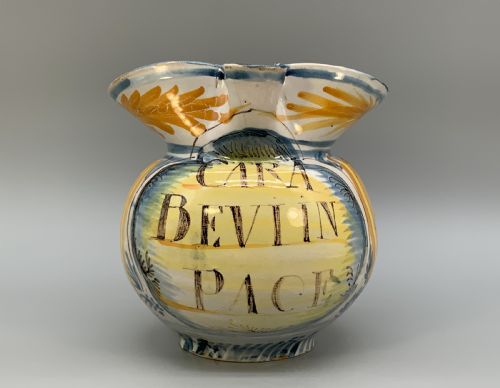
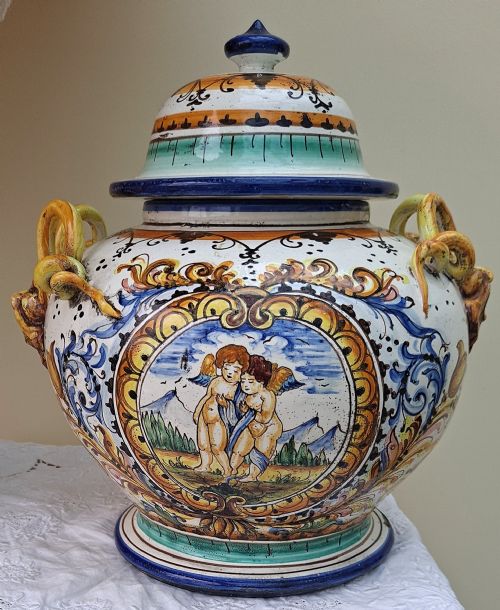
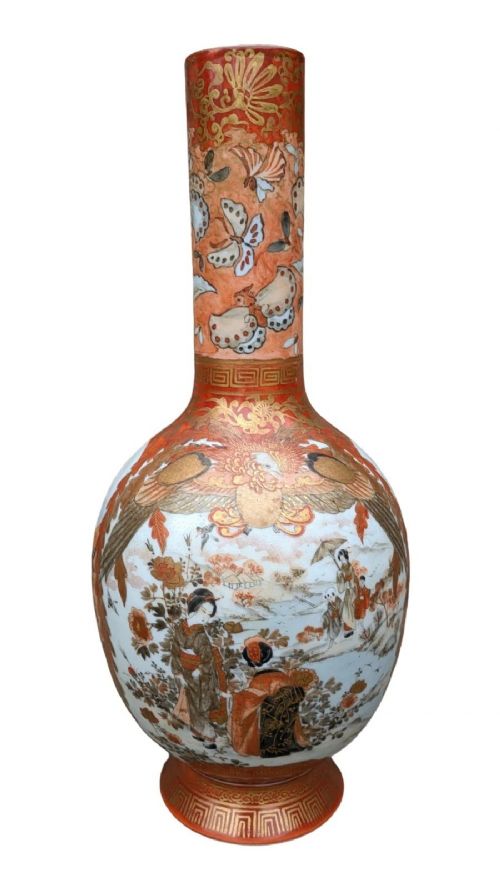
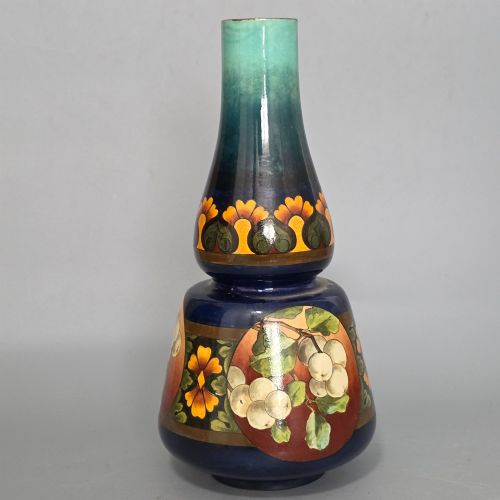
A hand painted pottery jar is a vessel shaped from earthenware, ceramic, or porcelain, finished with pigments applied directly by hand and sealed with glazes or enamel. When searching for this phrase, buyers encounter varied forms ranging from pharmaceutical albarelos and ginger jars to lidded tea caddies and decorative vases. The examples met most frequently on this page originate from European workshops and Asian kilns spanning the seventeenth to the early twentieth century.
The tradition encompasses distinct regional expressions, from the tin-glazed earthenware of Dutch Delft and Italian majolica to the intricate famille rose porcelains of China and the rich earthenware of Japan. Many pieces serve functional pasts as apothecary vessels or storage jars, while others exist purely for display as urns or cabinet pieces. Each surviving jar records the specific hand of its decorator, visible in brushstrokes and pigment variations.
How they were made
Makers shaped these vessels using traditional methods on the potter's wheel or in moulds, selecting bodies of earthenware, ceramic, or porcelain. Potters applied tin glazes or clear lead glazes to create smooth surfaces suitable for receiving detailed pigment work. Pigments varied by region and period, including cobalt blues, manganese purples, yellow grounds, and enamel colours.
After the initial painting, pieces underwent firing in kilns to fuse the pigments and glazes to the clay body. Some items received supplementary gilding in gold leaf or secondary low-temperature firings for enamel details. The interaction between the heat of the kiln and the hand-mixed minerals accounts for the depth seen in the final surfaces.
Hand Painted Pottery Jar Retail Price Guide 2026
Typical asking prices for hand painted pottery jar among the pieces listed under this phrase on Sellingantiques today, from the lower quarter to the upper quarter. They describe what is for sale here now, not the wider market.
The listings here span earthenware, ceramic, porcelain, and tin-glazed earthenware across the seventeenth, eighteenth, nineteenth, and early twentieth centuries.
What varies in quality
Quality in a hand painted pottery jar rests primarily on the fluency and control of the brushwork. Master decorators achieved precision and expression that elevate a domestic storage vessel into a work of art, whereas lesser pieces display hurried execution or mechanical uniformity. The harmony of the palette and the preservation of the glaze under firing heat further distinguish finer examples.
The sophistication of the form and the clarity of the glaze add to the standing of a piece. Jars that retain their original matching covers show greater integrity, as lids frequently became separated or broken over centuries of use. The weight of the ceramic body and the crispness of the painted motifs separate standard production items from workshop masterpieces.
Fourmaintraux-Courquin·Kizan·Alice Euphemia Thatcher·Gallilleo Chini·Kinkozan·Shuzan·R. Allen·Plichta
The Hand Painted Pottery Jar Glossary
- Albarello
- A cylindrical pharmacy jar used by apothecaries to store dry drugs, herbs, or ointments. These vessels typically feature an indented waist for easier handling during busy dispensary work.
- Tin-Glazed Earthenware
- Pottery covered in an opaque white glaze containing tin oxide, providing a smooth white ground for painting in imitation of Chinese porcelain. Examples include Delftware and majolica.
- Famille Rose
- A Chinese porcelain palette introduced in the Qing dynasty, characterised by opaque pink enamel derived from colloidal gold. The style allows for subtle tonal gradations in floral and figural scenes.
- Imari
- A Japanese export porcelain style featuring underglaze blue combined with iron red, gold, and secondary enamel colours. The decorative scheme is dense, ornamental, and highly vibrant.
- Natsume
- A small Japanese tea caddy traditionally used in the preparation of powdered green tea for the Japanese tea ceremony. These containers usually possess flat lids and rounded bodies.
Hand Painted Pottery Jar: Frequently Asked Questions
How were apothecary jars used?
Apothecary jars held dried herbs, medicinal powders, syrups, and ointments in early pharmacies and dispensaries. The tall cylindrical shapes allowed workers to line them tightly on shelves while keeping labels visible.
Most pharmacy jars featured tight-fitting covers or parchment ties to protect medicinal contents from moisture and air. Over time, these functional containers transitioned into decorative display items as medical storage evolved.
How do I care for an antique jar?
Keep antique ceramic and pottery jars away from direct sunlight to prevent fading in enamel colours and surface pigments. Dust them gently with a dry, soft cloth rather than using liquid cleaning agents.
Avoid placing these vessels in damp environments or areas with fluctuating temperatures, which can stress old glazes. If a jar has a matching cover, lift the entire piece by the body rather than by the lid alone.
Why do some jars have four character marks?
Four character marks on the base of Asian ceramics indicate the reign period of an emperor or serve as workshop commendation marks. Potters used these stamps to denote the origin and heritage of the porcelain.
These marks help scholars and collectors place pieces within broad dynastic eras. They require careful comparison with known examples to understand their exact historical context.