

Hand Painted Porcelain Figurines
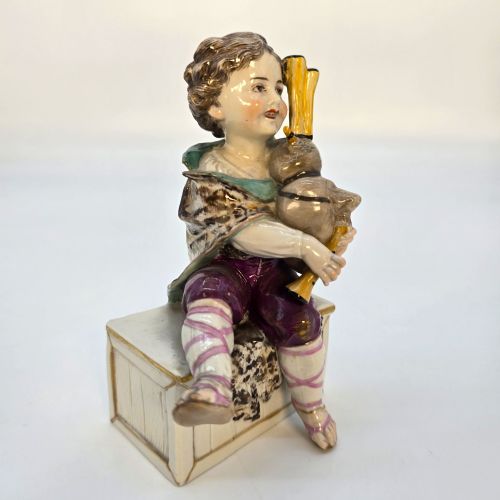
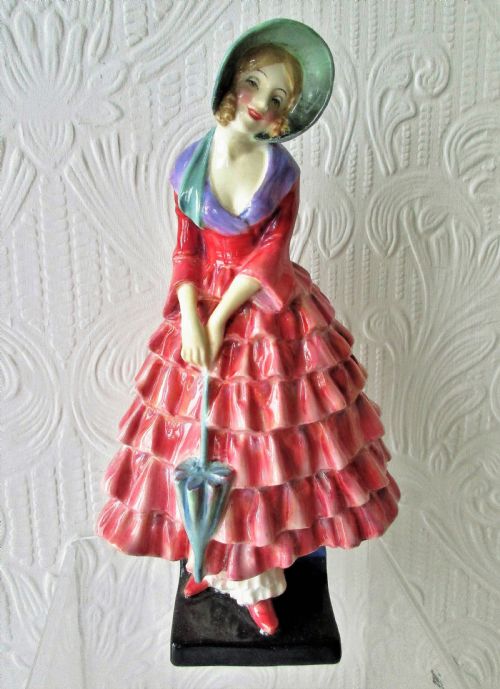
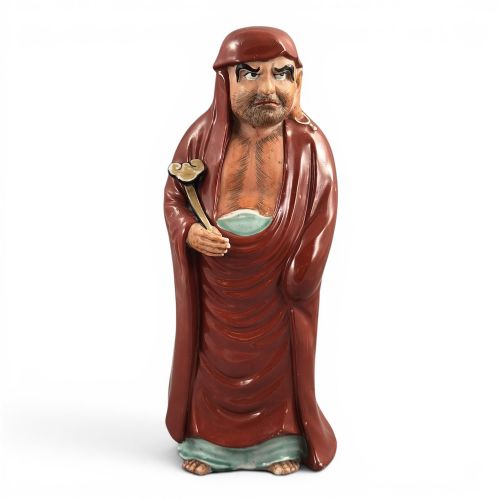
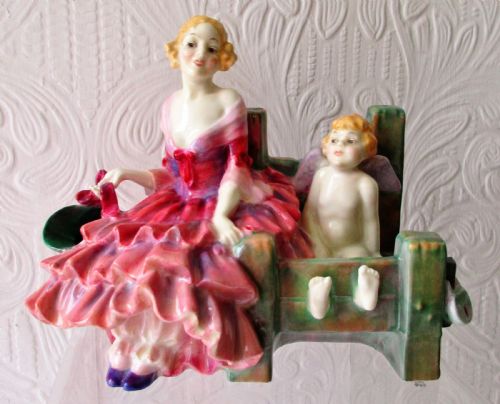
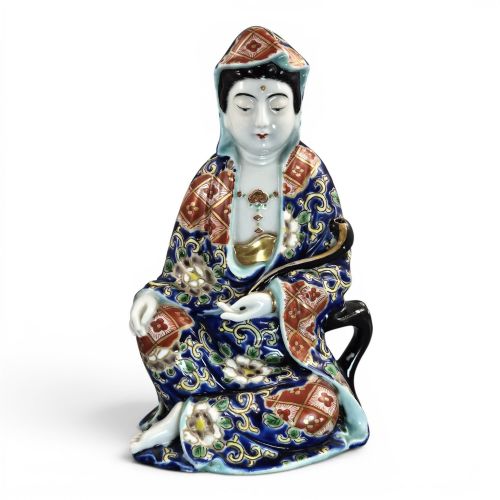
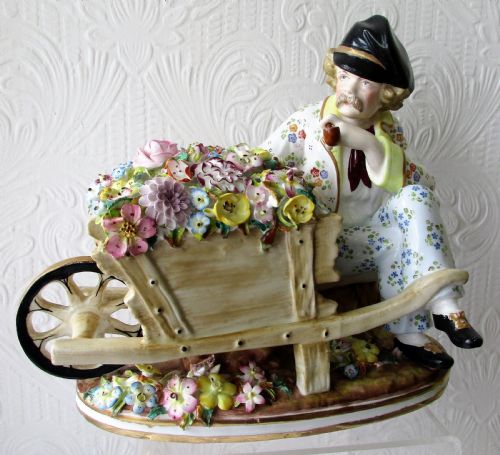
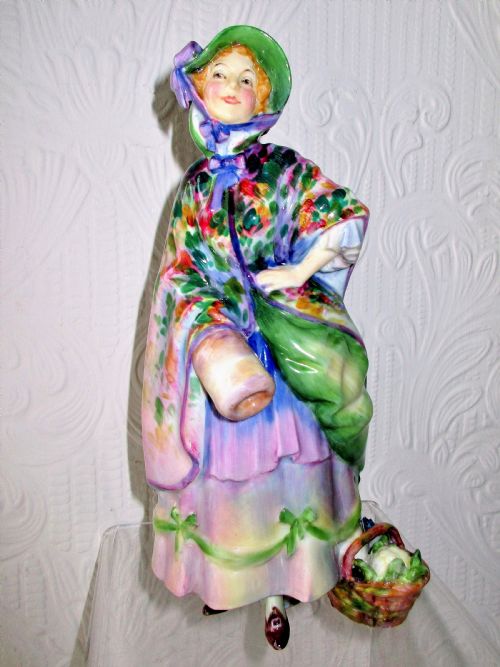
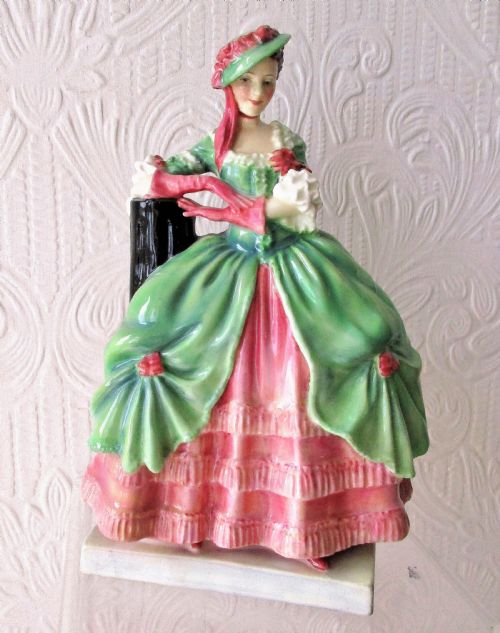
Hand painted porcelain figurines are decorative statuettes of the nineteenth century that bring vibrant enamel colour and fine historic character to a room.
What these hand painted porcelain figurines are
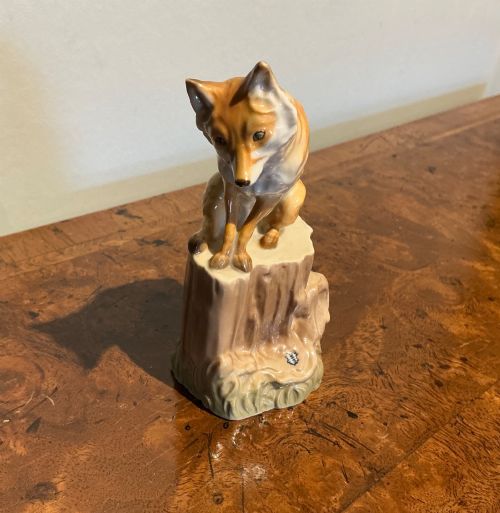
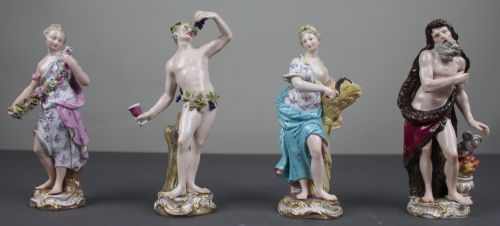
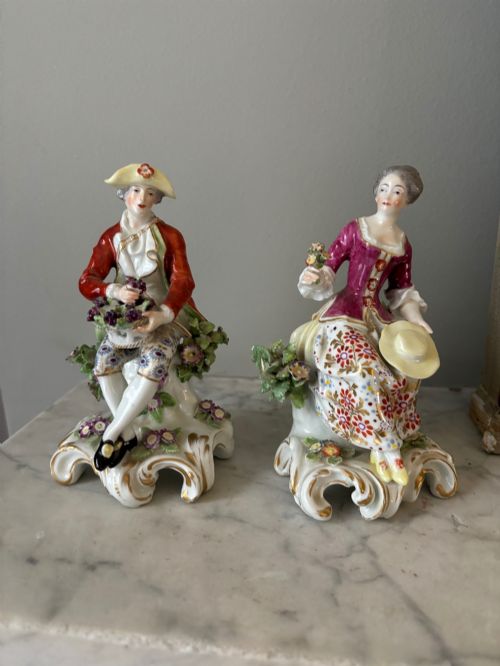
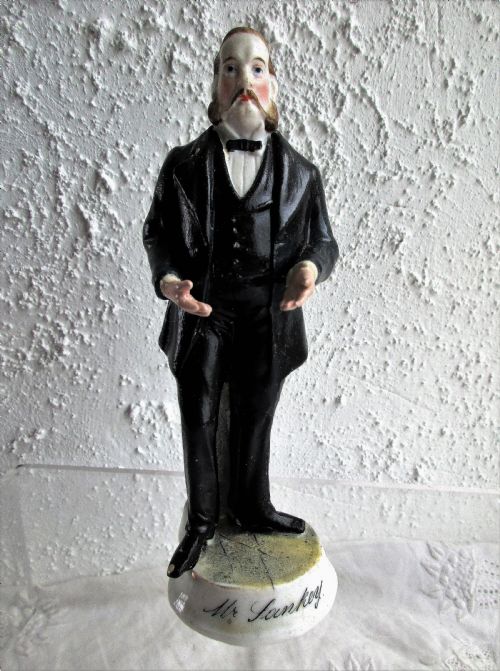
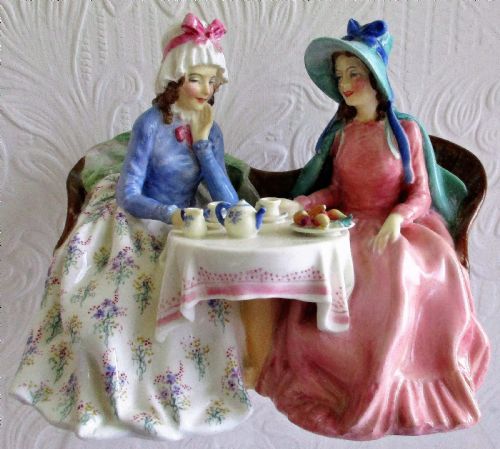
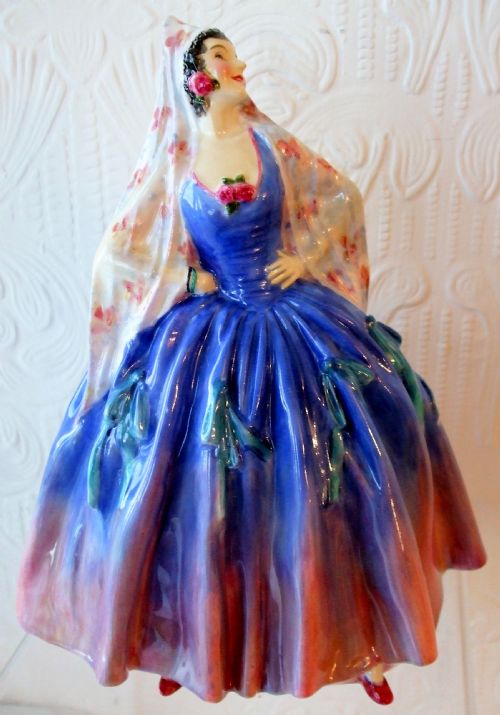
When you search for hand painted porcelain figurines, you encounter nineteenth-century decorative statuettes and porcelain figures modelled as street vendors, gardeners with flowers, and allegorical sets of the Four Seasons. These pieces capture the ornate tastes of the nineteenth century, including Rococo Revival styles.
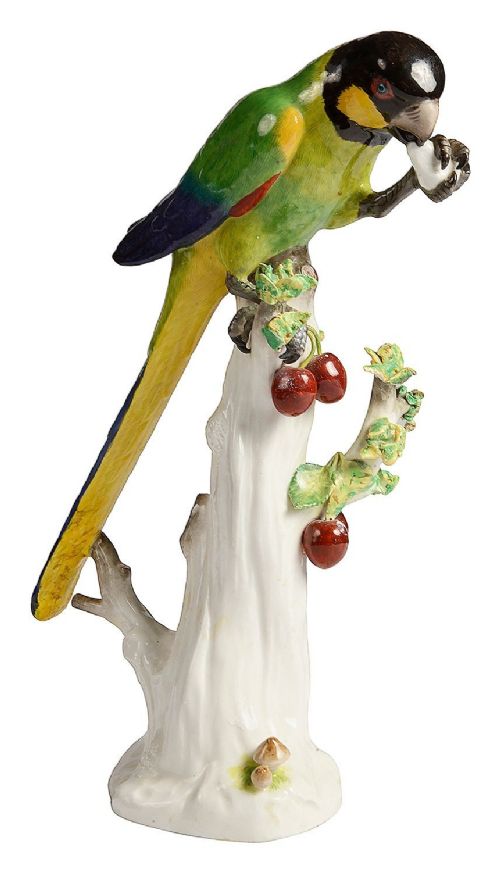
The selection here includes pairs of figures bearing the Chelsea anchor mark alongside work by Samson and Minton from around eighteen thirty to eighteen fifty. A Meissen set from eighteen eighty represents the peak of nineteenth-century figurative modelling.
How they were made
These items utilise hard-paste porcelain formed into detailed figures and statuettes. Kiln firing sets the body before intricate hand painting applies the enamel colours.
Retail Price Guide 2026
Typical UK retail prices for hand painted porcelain figurines, calculated from the Sellingantiques database of over a million retail prices indexed since 2003. This retail price guide relies exclusively on Sellingantiques data; no external sources or auction records are used, so the figures do not describe the wider market.
Listings feature nineteenth-century pieces from eighteen thirty to eighteen eighty, using hard-paste porcelain, enamel, gold leaf, and gilt in the Rococo Revival style.
What varies in quality
The application of gold leaf and gilt separates ordinary figures from finer examples. Richly embellished pieces with carefully preserved gilding demonstrate superior workshop standards.
Chelsea Anchor Mark·Samson Porcelain·Minton·Meissen
The Hand Painted Porcelain Figurines Glossary
- Hard-paste porcelain
- A dense ceramic material composed of kaolin and petuntse fired at high temperatures. It forms a durable, vitreous body ideal for detailed figurative sculpture.
- Enamel
- Opaque vitreous colours applied to the surface of the fired porcelain. These pigments are fixed with a subsequent low-temperature firing.
- Gilt
- A thin layer of gold applied to the porcelain surface to highlight decorative elements. This adds a reflective finish to garments and bases.
Frequently Asked Questions
How were these porcelain figures used?
Nineteenth-century households displayed these decorative statuettes on mantelpieces, side tables, and cabinets. They served as ornamental conversation pieces.
Complete sets, such as representations of the Four Seasons, formed centrepieces for formal rooms.
How do I live with porcelain figurines?
Place these figures on stable surfaces away from direct sunlight to protect the hand-painted enamel colours. Keep them out of high-traffic areas to prevent accidental knocks.
Dust them gently with a soft, dry brush to maintain the hard-paste porcelain and gilt surfaces.
How do I tell periods and types apart?
Examine the modelling style and painted details to distinguish nineteenth-century pieces from other eras. Rococo Revival figures show characteristic scrolls and asymmetric bases.
Look for factory marks, such as the Chelsea anchor, or recognise the distinct output of makers like Samson, Minton, and Meissen.