


Hand Painted Oriental Chest
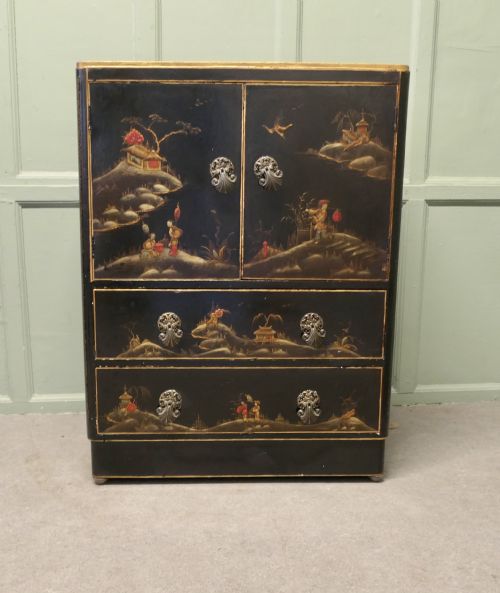
These hand painted oriental chest examples bring layers of lacquer, brass hardware and narrative pigment straight from the nineteenth and early twentieth centuries into a room.
Hand Painted Oriental Chest
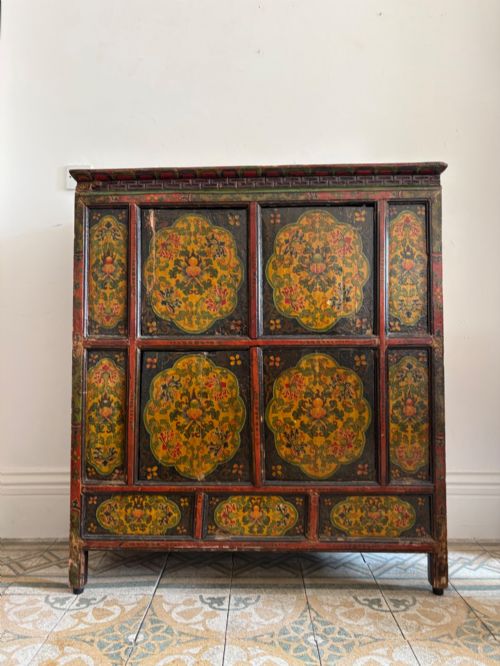
When buyers search for a hand painted oriental chest, they encounter a range of storage forms including lacquered trunks, Chinese cabinets, cocktail cabinets and leather luggage boxes. The pieces span regional workshops, Chinoiserie interpretations and export traditions across the nineteenth and early twentieth centuries.
The version most commonly met on this page is the nineteenth century Chinese lacquered cabinet or trunk, often finished in black, red or green lacquer with painted floral or figurative decoration. Alongside these sit Korean chests, Tibetan cabinets and early twentieth century cocktail variants on stands.
How they were made
Makers built these pieces primarily from wood and pine carcasses before applying multiple layers of lacquer to achieve a durable, glossy surface. Artisans then hand painted intricate motifs directly onto the lacquered ground using mineral pigments.
Metal components such as brass hinges, plates and lock mechanisms provide structural reinforcement and visual contrast against the painted wood and lacquer surfaces. Gilt detailing often highlights the painted scenes and edges of the trunks and cabinets.
Listings feature pieces spanning the eighteenth century to the 1930s, utilising lacquer, brass, wood, paint and gilt.
What varies in quality
Quality rests in the depth of the lacquer finish and the precision of the hand painted details across the surface of the chest or cabinet. Earlier pieces display finer brushwork and more complex figurative or floral compositions executed by skilled regional artisans.
The preservation of the original painted surface and the retention of authentic brass hardware distinguish superior examples from heavily restored pieces. Construction integrity within the wooden carcass and drawers also marks the distinction between standard utilitarian storage and workshop-produced items.
Harrods
The Hand Painted Oriental Chest Glossary
- Chinoiserie
- European decorative style reflecting Chinese artistic influences, popular in furniture and cabinet making during the nineteenth and twentieth centuries. It reinterprets traditional motifs through a Western decorative lens.
- Lacquer
- A durable resin finish applied in multiple coats to wooden furniture surfaces, providing a smooth protective layer. It serves as the base for painted decoration and gilt work.
- Qing Dynasty
- The final imperial dynasty of China, spanning from the seventeenth to the early twentieth century. Furniture from this era frequently incorporates elaborate painted panels and brass mounts.
- China Trade
- Commercial exchange between China and Western nations that produced specific export goods for international markets. Items made for this trade often blend Eastern forms with Western functional preferences.
Hand Painted Oriental Chest: Frequently Asked Questions
How are these chests cleaned?
Maintenance requires only a soft, dry cloth to remove dust from the painted and lacquered surfaces. Moisture and chemical polishes can damage the fragile historic pigments.
Keeping the wood away from direct sunlight and steady temperature shifts protects the lacquer from cracking over time.
Where should a cabinet sit?
These pieces function well as focal points in living rooms, hallways or bedrooms where their painted panels remain visible. Placing them away from heat sources prevents the wooden carcass from warping.
Smaller trunks and side cabinets fit easily against plain walls to balance minimalist interiors with rich colour.
How do I date a chest?
Dating relies on examining the construction methods of the wooden frame, the composition of the lacquer and the style of the painted decoration. Eighteenth and nineteenth-century examples often show hand-cut joinery and natural resin finishes.
Twentieth-century pieces tend to feature standardised hardware and brighter synthetic pigments beneath the clear coats.
Can I use them for storage?
Trunks and cabinets with internal compartments provide practical storage for blankets, dry goods or tableware. The original hinges and latches remain functional on many surviving examples.
Lined interiors help protect stored textiles from direct contact with older wooden or lacquered surfaces.