
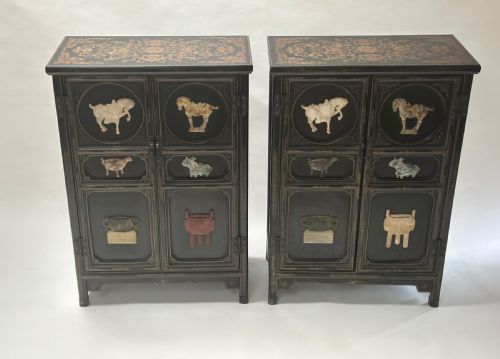
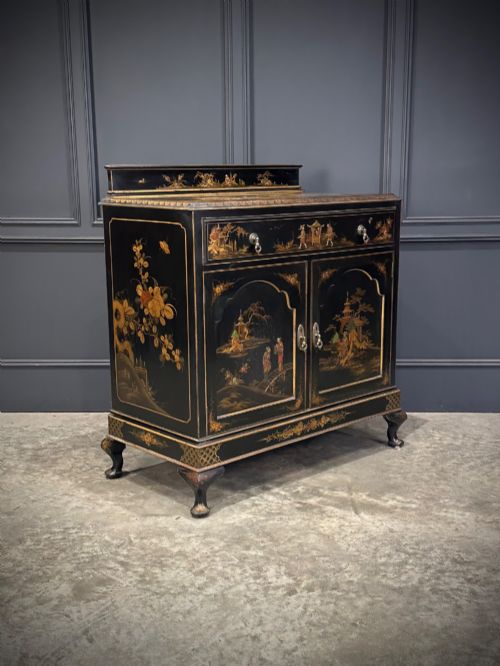


Vintage Oriental Side Cabinet
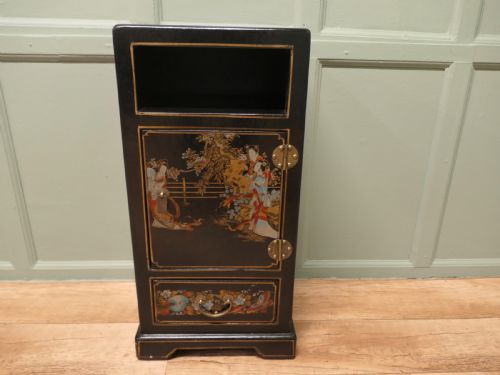
These vintage oriental side cabinets bring rich lacquer, brass and carved elm into a room, offering striking focal points with practical enclosed storage.
Vintage Oriental Side Cabinet
A vintage oriental side cabinet combines decorative lacquer finishes with practical storage, originating from periods spanning the nineteenth century through the nineteen-thirties.
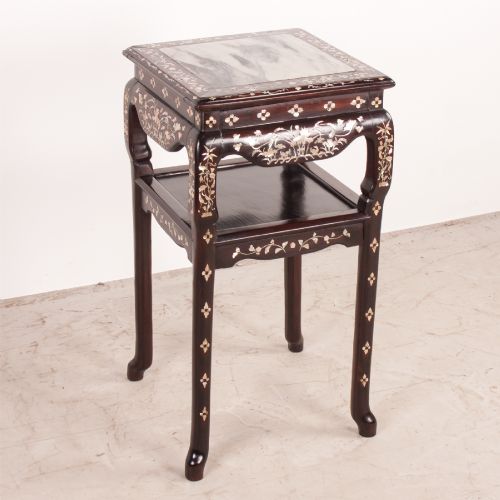
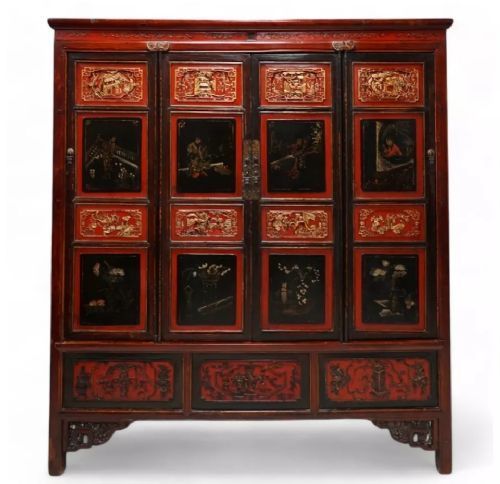
Buyers browsing this selection encounter forms such as marriage cabinets, cocktail cabinets, and low occasional tables finished with elaborate hand-painted or carved details.
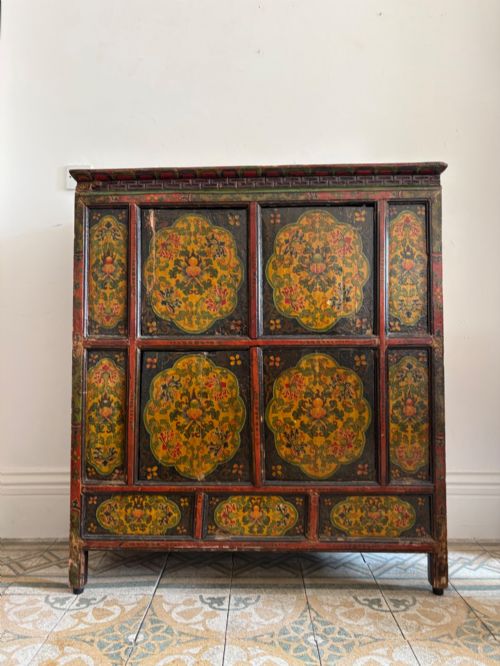
The aesthetic draws heavily on traditional Chinese, Tibetan, and Japanese styles, alongside English Chinoiserie interpretations produced during the early twentieth century.
Construction and materials
Cabinet makers utilised dense timbers including elm, rosewood, and general hardwoods to form sturdy frames capable of supporting heavy surface decoration.
Surfaces received multiple coats of lacquer in black, red, or cinnabar, often paired with mother of pearl inlay, hand-painted floral motifs, and gilt highlights.
Mounts, hinges, and plates in brass provide structural reinforcement while adding a distinct metallic contrast to the dark or brightly coloured wooden bodies.
Materials documented across the listings include elm, rosewood, brass, and gilt alongside traditional black and red lacquer finishes.
Assessing quality and craftsmanship
Superior examples demonstrate meticulous hand-painting and precise carving depth, whereas lesser pieces rely on simplified surface prints or repetitive stenciling.
The integrity of the timber framing and the smoothness of the door mechanisms separate master cabinet work from standard utility production.
Original lacquer surfaces that retain deep lustre without excessive modern repainting hold greater appeal for traditional interior schemes.
The Vintage Oriental Side Cabinet Glossary
- Chinoiserie
- European interpretation and imitation of Chinese artistic traditions and motifs, popular in furniture decoration.
- Cinnabar lacquer
- A technique involving numerous layers of red lacquer carved with intricate designs once hardened.
- Marriage cabinet
- A traditional Chinese cupboard traditionally given as a wedding gift, featuring two large doors and brass hardware.
- Japanned
- European lacquerwork imitating Japanese and Chinese styles, typically using dark backgrounds with raised metallic decoration.
- Elm
- A durable hardwood commonly utilised in traditional Chinese cabinet making for its strong grain and resistance to splitting.
Vintage Oriental Side Cabinet: Frequently Asked Questions
Where should I place a side cabinet?
These cabinets work well in living rooms or hallways where enclosed storage is needed for glassware or linens. Their decorative surfaces allow them to function as standalone statement pieces.
Ensure the piece is placed away from direct heat sources to protect the wooden structure and delicate lacquer finishes from drying out over time.
How do I clean lacquered wood?
Dust the surface regularly with a soft, dry cloth to prevent dirt accumulation. Avoid harsh chemical cleaners or abrasive sponges that can scratch the finish.
If moisture is necessary, use a barely damp cloth and dry the surface immediately afterwards to preserve the integrity of the lacquer and gilt details.
What is the difference between Chinoiserie and Chinese export?
Chinoiserie refers to European styles that imitate Chinese design aesthetics, often produced by English or continental workshops. Chinese export pieces were manufactured in China specifically for overseas buyers.
Examining the construction methods and underlying timber helps distinguish between local European interpretations and authentic imported items.
How do I date a cabinet?
Dating relies on examining the construction joints, hardware styles, and the specific composition of the lacquer layers. Pieces from the nineteenth century often show hand-forged brass and deeper timber wear.
Early twentieth-century items, including Art Deco variants, frequently incorporate standardised hardware and distinct stylistic influences from that era.
Are these cabinets suitable for small spaces?
Many side cabinets offer compact footprints with tall, narrow profiles that maximise vertical storage without occupying excessive floor space. Their enclosed doors keep rooms looking tidy.
Consider measuring the clearance needed for door swings before placing a cabinet in a narrow hallway or restricted alcove.