





Hand Painted Lidded Jar
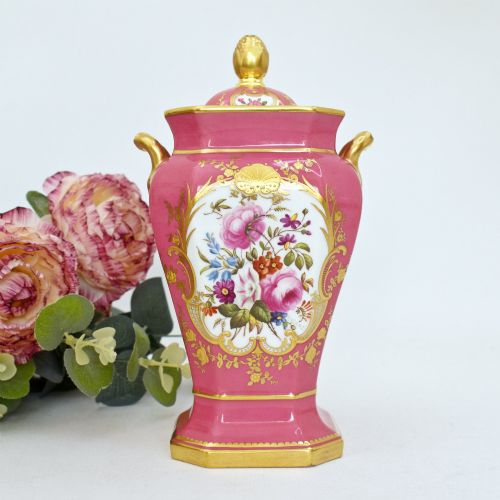
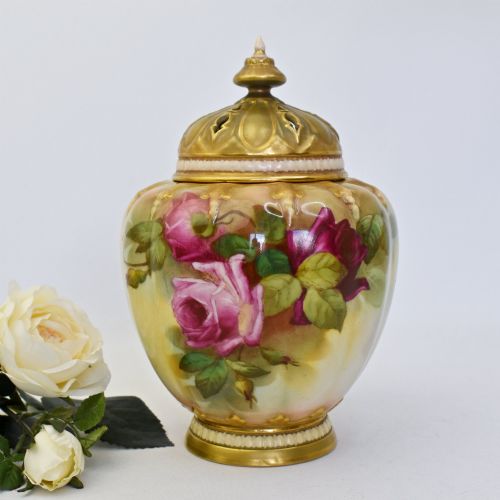
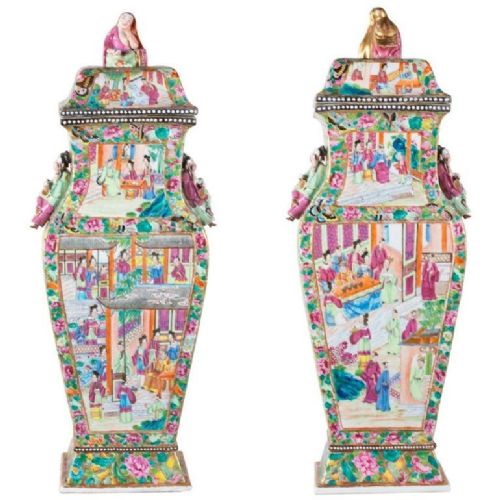
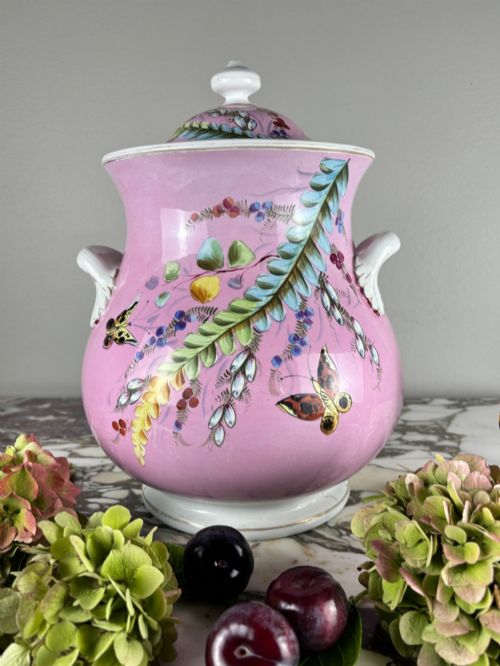
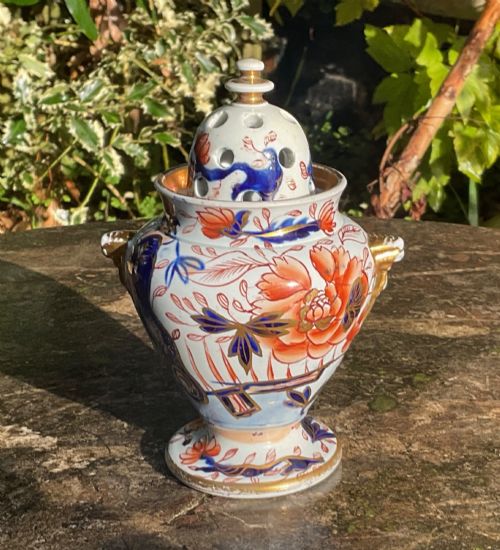
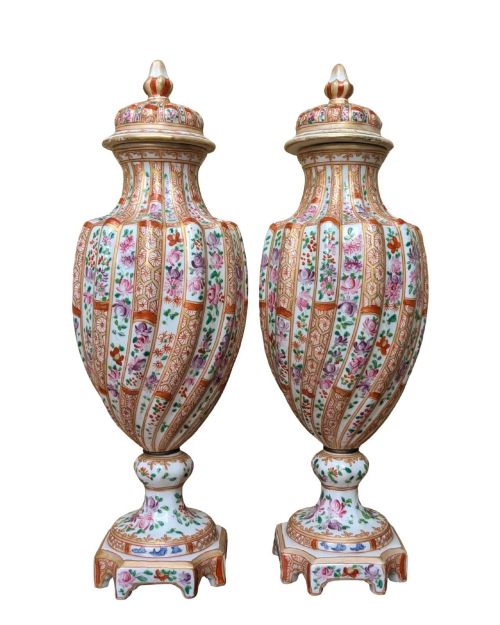
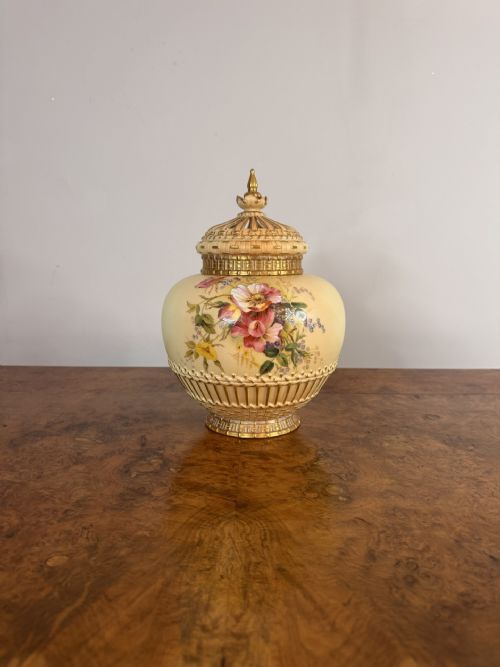
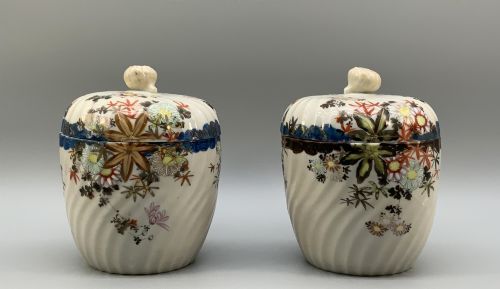
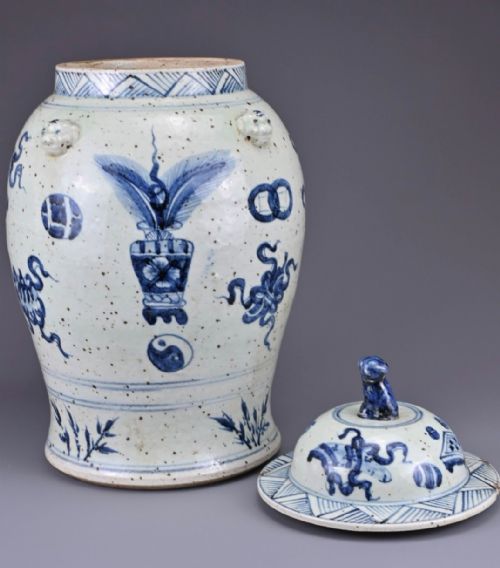
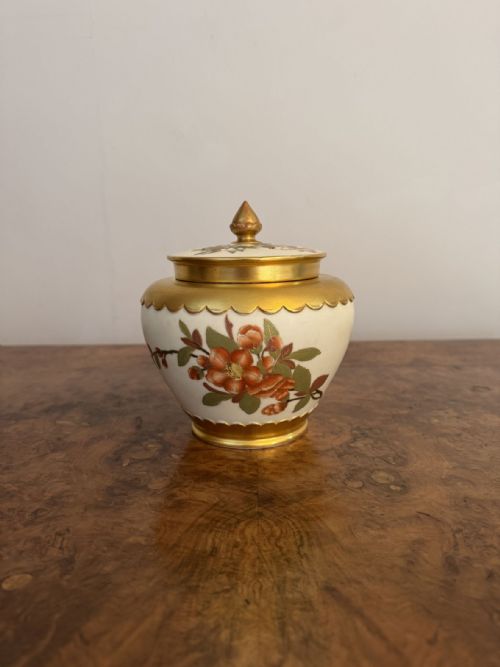
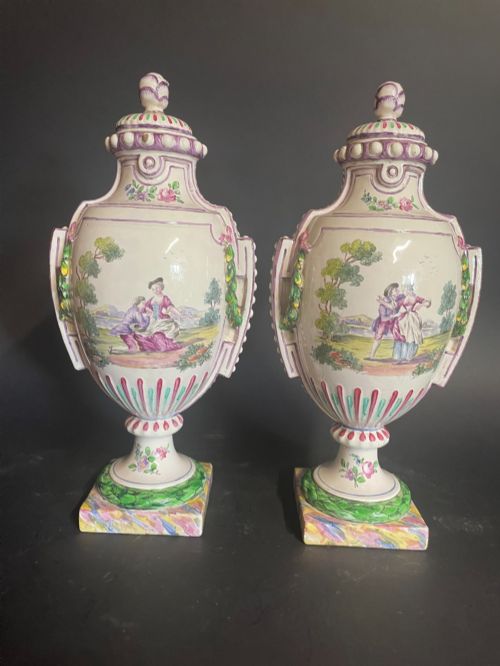
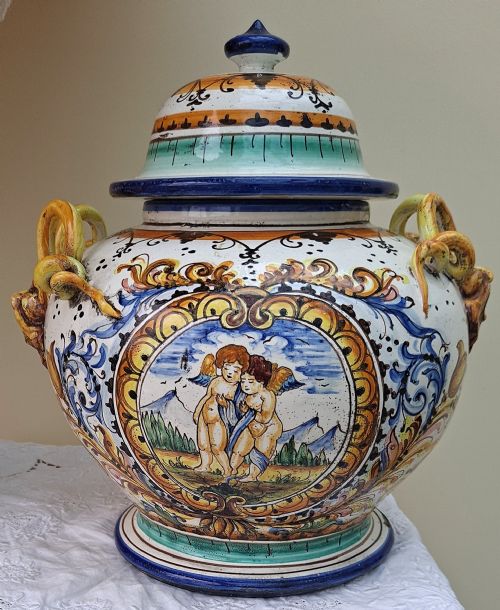
These hand painted lidded jar pieces bring decorative porcelain, earthenware, and glass into the home with traditional floral and scenic motifs.
Hand Painted Lidded Jar
A hand painted lidded jar encompasses ginger jars, potpourri pots, apothecary vessels, and decorative urns spanning the eighteenth, nineteenth, and twentieth centuries. Buyers encounter English porcelain, Japanese Imari wares, Dutch Delftware, and continental pottery decorated with hand applied pigments.
The selection ranges from Victorian biscuit barrels and Edwardian vanity jars to Chinese blue and white porcelain and Japanese export ceramics. These vessels served functional storage roles or stood as decorative mantel ornaments in period interiors.
Materials and methods
Craftsmen shaped these objects from porcelain, ceramic, earthenware, and glass, applying tin glazes, enamel paints, and gold leaf highlights. Many pieces combine ceramic bodies with sterling silver or silver plate mounts.
Makers utilised manual brushwork for floral, landscape, and figurative scenes, often fixing the pigments through high temperature kiln firing. Gilding and enamel decoration provide the surface detail seen across European and Asian production.
Hand Painted Lidded Jar Retail Price Guide 2026
Typical asking prices for hand painted lidded jar among the pieces listed under this phrase on Sellingantiques today, from the lower quarter to the upper quarter. They describe what is for sale here now, not the wider market.
Listings feature porcelain, ceramic, and glass vessels spanning the eighteenth, nineteenth, and twentieth centuries across multiple European and Asian traditions.
Quality distinctions
Quality rests in the crispness of the hand painted brushwork and the precision of the ceramic body and matching cover. Finer examples display detailed pictorial scenes or intricate Imari patterns rather than simple repeating motifs.
The reputation of the manufactory or ceramicist, alongside the preservation of the enamel, gilding, and glaze, determines the standing of an individual vessel within the historical range.
Royal Worcester·Edme Samson·Royal Crown Derby·Helena Wolfsohn·Coalport
The Hand Painted Lidded Jar Glossary
- Imari
- A style of Japanese export porcelain characterised by underglaze blue and iron red with added gold detailing. This decorative scheme became widely copied in European factories.
- Delftware
- Tin glazed earthenware produced in the Netherlands and England, typically featuring blue and white decoration inspired by imported Chinese porcelain.
- Biscuit Barrel
- A covered ceramic container used for storing dry biscuits at the dining table, often fitted with a metal lid and swing handle.
- Potpourri
- A mixture of dried plant materials scented with oils, kept in a pierced lidded bowl or vase to fragrance a room.
Hand Painted Lidded Jar: Frequently Asked Questions
What were hand painted lidded jars used for?
These vessels served various domestic purposes, from storing dry goods and apothecary ingredients to holding dried flower petals for room fragrance.
Many examples functioned purely as decorative mantel ornaments or table centrepieces in period homes.
How do I identify Japanese Imari pieces?
Japanese Imari ceramics are recognised by a distinct palette combining underglaze blue, iron red, and supplementary gold leaf. The decorative patterns typically feature complex floral and panel designs.
Production centres in Arita exported large quantities of these robust porcelain vessels to Europe from the seventeenth century onward.
What is tin glazed earthenware?
Tin glazed earthenware uses an opaque white glaze containing tin oxide, providing a smooth surface for hand painted pigments. This technique defines Dutch Delftware and French faience.
Painters applied colours directly onto the unfired glaze, which absorbed the pigments for a permanent finish.
How should I display a lidded jar?
These pieces suit placement on sideboards, mantelpieces, or enclosed display cabinets where the painted decoration remains visible. Because lids were often made separately, care is needed when moving the combined vessel.
Keeping them away from direct sunlight protects enamel colours and gold leaf highlights from fading over time.