




Hand Painted Fruit Pottery
Hand painted fruit pottery brings together vibrant botanical subjects and traditional ceramic forms from the eighteenth, nineteenth, and twentieth centuries.
Hand Painted Fruit Pottery
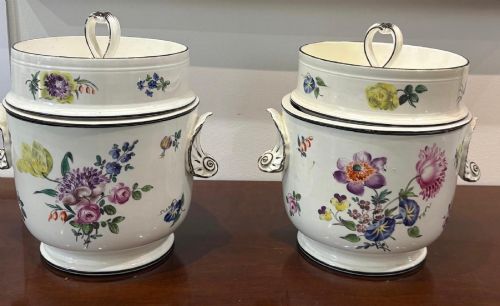
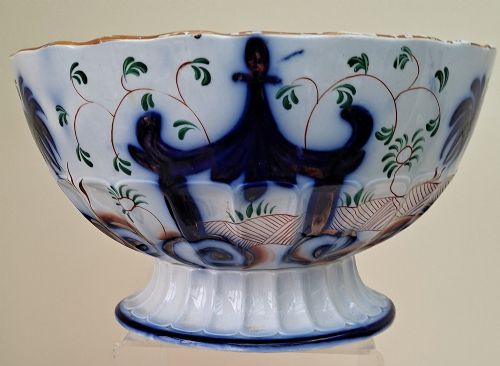
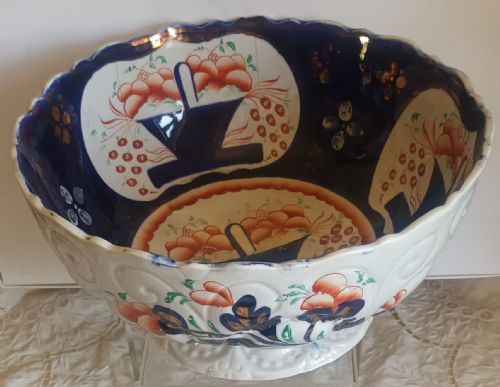
When you search for hand painted fruit pottery, you encounter a diverse range of decorative bowls, jugs, and vases spanning multiple eras. The selection on this page relies heavily on nineteenth-century pieces alongside works from the nineteen-thirties, showcasing botanical and orchard motifs.
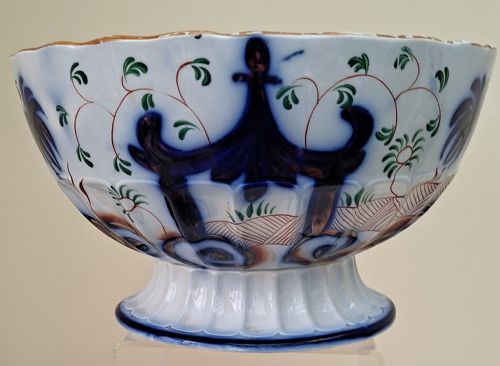
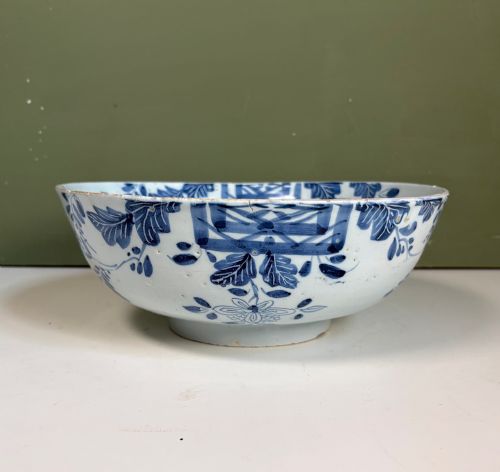
The forms vary from utilitarian preserve pots and ice pails to large footed bowls and pot pourri vases. Creamware dessert services and earthenware bowls dominate the offerings, representing both English and continental traditions.
Makers and potteries from the Victorian era up to the mid-twentieth century utilised these fruit patterns to decorate household ceramics. Collectors frequently meet traditional earthenwares adorned with hand-applied polychrome enamels and cobalt highlights.
How they were made
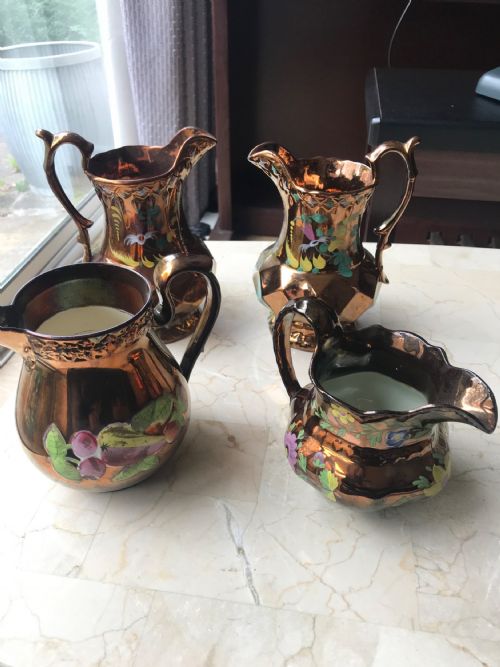
Potters shaped these vessels using earthenware, creamware, and tin-glazed bodies before applying various foundational glazes. Copper lustre, cobalt, and clear lead glazes provided the glossy surfaces required for subsequent decoration.
Artists hand-painted the fruit subjects directly onto the fired ceramic using vibrant enamels. Kiln firings fixed the pigments into the glaze, creating durable surface finishes that retained their colour intensity over generations.
Hand Painted Fruit Pottery Retail Price Guide 2026
Typical asking prices for hand painted fruit pottery among the pieces listed under this phrase on Sellingantiques today, from the lower quarter to the upper quarter. They describe what is for sale here now, not the wider market.
Plichta famously continued the whimsical Wemyss tradition of painting plump cherries on chubby jam pots.
What varies in quality
The precision and artistic skill of the hand-painted fruit motifs dictate the visual merit of each piece. Crisp brushwork and nuanced shading separate master-painted studio pieces from standard commercial output.
The complexity of the ceramic form, such as footed bowls or moulded ice pails, influences the overall calibre. Intact glazes and well-preserved enamel colours without excessive fading represent the higher end of surviving examples.
Charlotte Rhead Bursley Ware·William Moorcroft·Royal Worcester·Plichta Pottery
The Hand Painted Fruit Pottery Glossary
- Creamware
- A light-coloured refined earthenware developed in eighteenth-century England. It provided a smooth pale canvas ideal for painted decoration.
- Copper Lustre
- A metallic ceramic glaze giving a reflective coppery sheen. Potters often paired this finish with hand-decorated fruit motifs.
- Tin-Glazed Earthenware
- Pottery coated with an opaque white tin glaze. This surface accepted direct painting before the final glaze firing.
- Pot Pourri
- A decorative container pierced to release scented dried plant material. These vessels often featured hand-painted botanical or fruit designs.
- Enamel
- A glass-like coloured pigment applied over a fired glaze. Artisans used multiple enamel firings to build up bright fruit scenes.
Hand Painted Fruit Pottery: Frequently Asked Questions
Can I use these bowls for serving food?
Many nineteenth and twentieth-century bowls were originally designed for desserts or practical kitchen use. However, historical enamels can be sensitive to acidic fruit juices and modern detergents.
It is generally wiser to enjoy these decorative pieces as display items rather than for daily dining. This preserves both the glaze integrity and the hand-painted artwork.
How do I identify the period of a piece?
Examine the base for maker marks, impressed stamps, or handwritten pattern names. Stylistic clues such as Victorian footed shapes or Art Deco geometric borders also indicate the era of production.
Material composition helps narrow the date range further. Creamware points towards earlier Georgian manufacture, while mid-twentieth-century marks suggest later studio output.
Why do some fruit designs look raised?
Certain decorating techniques involved applying thick layers of enamel or slip to create a tactile surface. This impasto effect made the painted fruit appear three-dimensional against the ceramic body.
Potters utilised this method to add texture and depth to orchard scenes. It remains a hallmark of skilled hand decoration across various decorative wares.