

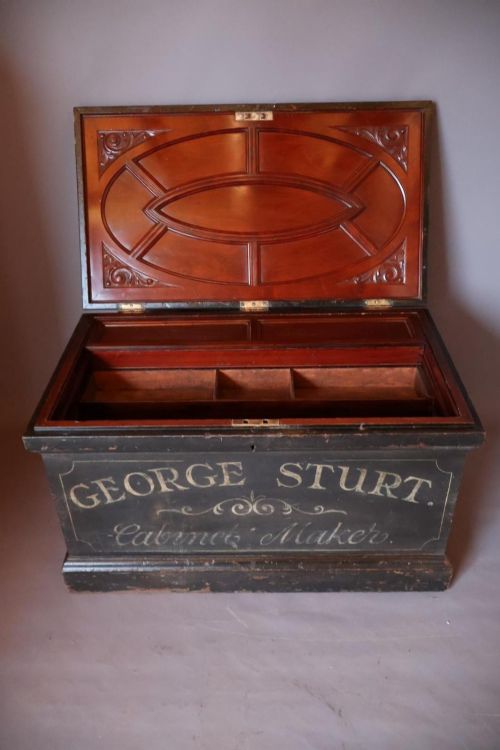


Hand Painted Coffer Chest
A hand painted coffer chest brings centuries of regional pigment, folk art and robust pine storage directly into a room.
Hand Painted Coffer Chest
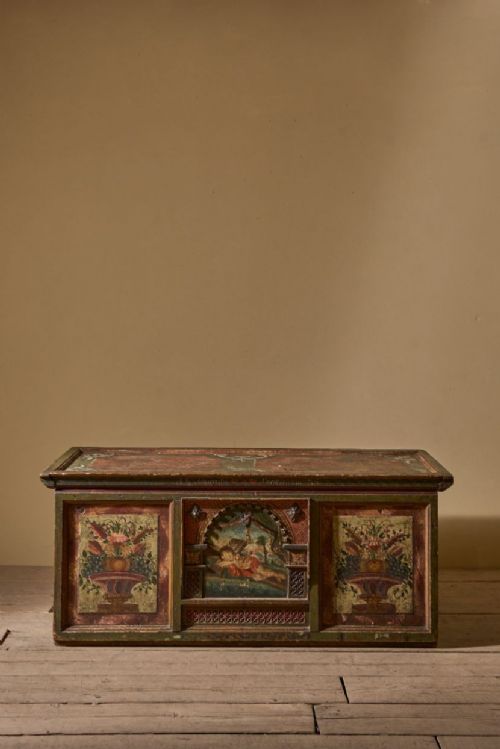
A hand painted coffer chest is a sturdy wooden storage piece finished with decorative pigment, often originating as a marriage chest, dowry box or strong box from the nineteenth century. These items include Scandinavian country domes, Hungarian boxes and Alpine region trunks designed to hold household textiles and valuables.
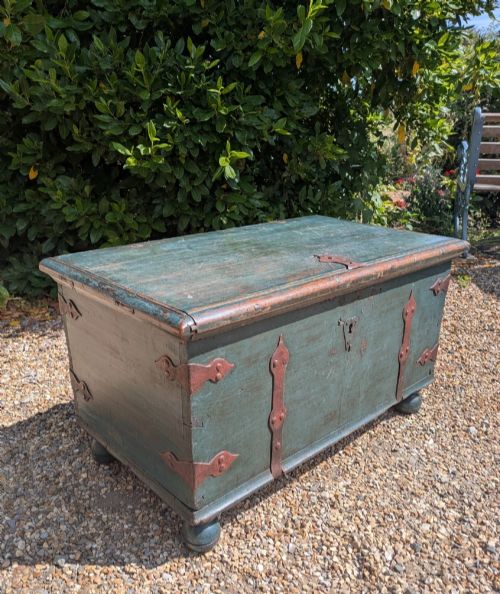
Buyers meet numerous examples originating from Swedish folk art traditions alongside Chinese export lacquer and British vernacular workshops. The forms range from small table-top boxes to large blanket chests equipped with hinged lids and hand forged iron strapwork.
Materials and construction methods
Carpenters typically built these chests using solid pine, oak or camphor wood joined with dovetails or pegged joints to withstand heavy domestic use. Blacksmiths provided essential reinforcement through hand forged iron strapwork, hinges and brass fittings that secured the heavy lids.
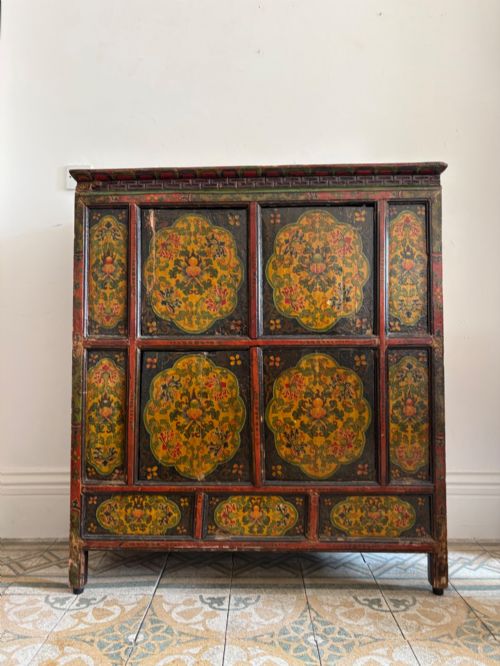
Artisans applied layers of pigment and lacquer directly onto the wood, often finishing surfaces with floral decoration, Moorish style motifs or Scandinavian folk art patterns. Many pieces retain original painted finishes showing the natural ageing of historical oils and distemper.
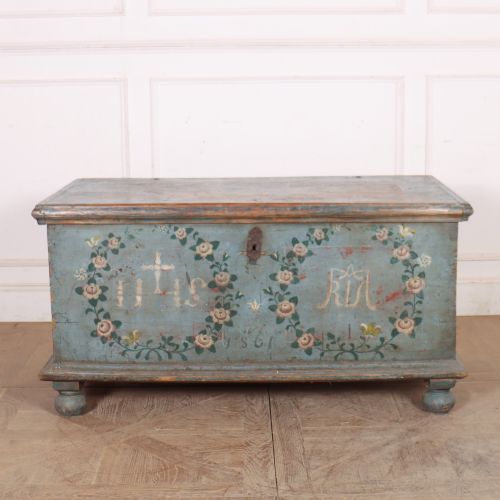
Several marriage chests proudly bear painted dates alongside floral motifs, preserving the exact year a nineteenth century couple received their dowry storage.
Assessing quality and authenticity
Quality rests in the survival of original painted surfaces and regional decoration rather than sterile perfection. Pieces with untouched historic pigment and genuine domestic wear carry greater integrity than later repainted surfaces.
Construction heft and blacksmith work also define the standard, distinguishing utilitarian estate made tool chests from elaborately decorated Scandinavian marriage coffers intended for ceremonial display.
The Hand Painted Coffer Chest Glossary
- Coffer chest
- A heavy wooden storage box with a hinged lid, traditionally utilised for safekeeping valuables, documents or textiles.
- Marriage chest
- A decorative storage trunk commissioned or given for a wedding, frequently painted with specific regional folk motifs or dates.
- Strapwork
- Decorative or reinforcing bands of iron fixed across the exterior of a chest to strengthen the timber joints.
- Dome top
- A rounded lid profile found on many nineteenth century Scandinavian storage boxes and coffers designed to shed water.
- Cassone
- A traditional large Italian storage chest, often highly decorated, used historically for marriage dowries.
Hand Painted Coffer Chest: Frequently Asked Questions
What were hand painted coffer chests used for?
These chests served primarily for storing household linens, blankets, clothing and valuable family possessions in domestic settings. Many functioned specifically as marriage or dowry chests commissioned for a wedding.
Smaller examples acted as strong boxes for documents or specialised items like cabinet makers tools. Their robust construction allowed them to double as sturdy benches or tables within modest homes.
How do I date a painted wooden chest?
Dating relies heavily on construction techniques, hardware style and the chemical composition of the pigments used. Hand forged iron strapwork and dovetail joints indicate older craftsmanship from the eighteenth and nineteenth centuries.
Wear patterns around the keyholes and handles provide clues to age. Painted dates or inscriptions occasionally appear on Scandinavian and European folk art pieces to mark their origin.
Are these chests made of solid wood?
Historical examples are constructed entirely from solid timber boards such as pine, oak or camphor. Carpenters selected these domestic and exotic woods for their structural strength and stability.
Planks were joined using traditional methods like dovetailing, pegged joints or iron brackets rather than modern adhesives. This solid construction explains their survival over centuries of use.
How do I care for an antique painted surface?
Preserving historic pigment requires keeping the chest away from direct sunlight and maintaining stable indoor humidity. Sunlight fades historical colours, while extreme moisture causes timber movement that cracks the paint layer.
Dusting should be done gently with a dry, soft cloth without applying modern chemical polishes or waxes. Many pieces retain fragile distemper or oil paints that benefit from minimal intervention.
Where did regional painted chests originate?
Painted storage chests emerge from distinct folk art traditions across Sweden, Norway, Hungary, the Alpine regions and Spain. Each area developed characteristic colour palettes and decorative motifs that identified local workshops.
Other global traditions are represented by Chinese export lacquer work and camphor wood trunks brought through maritime trade. This geographical spread creates a wide diversity of decorative styles on pine and oak bases.