
Hand Painted China Cups
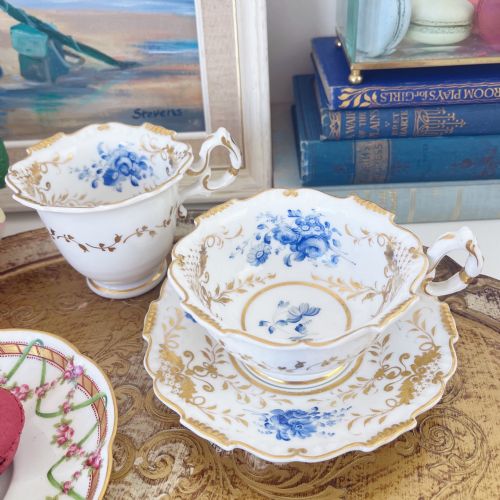
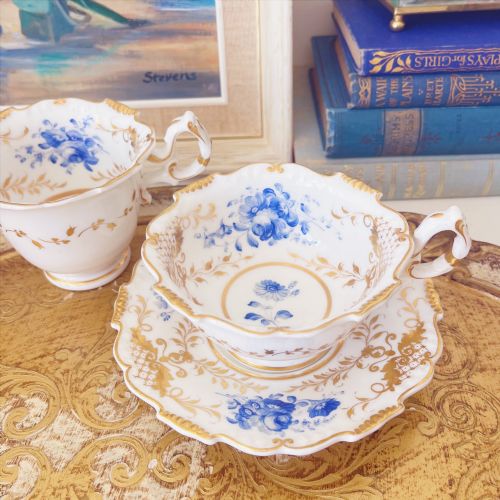
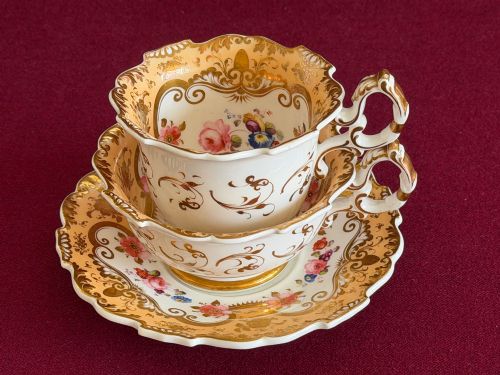
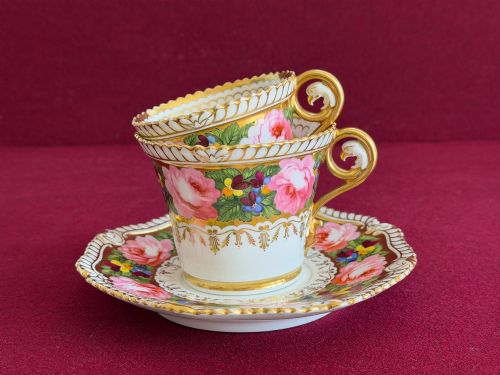
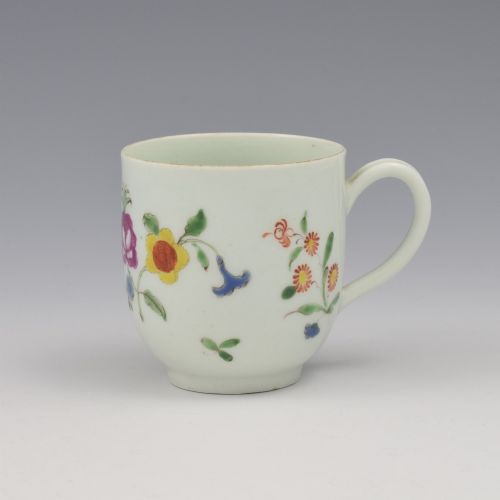
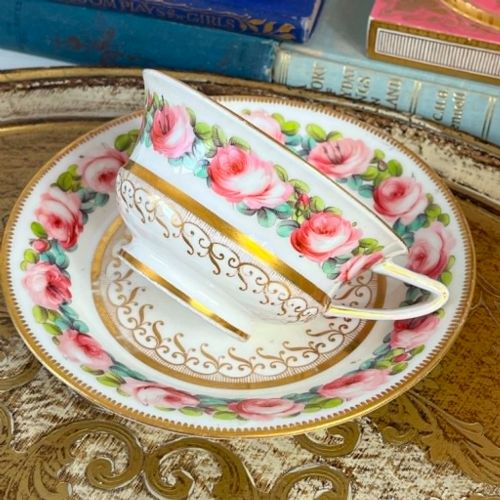
Hand painted china cups bring colourful eighteenth and nineteenth-century ceramic art directly to the table.
Hand Painted China Cups
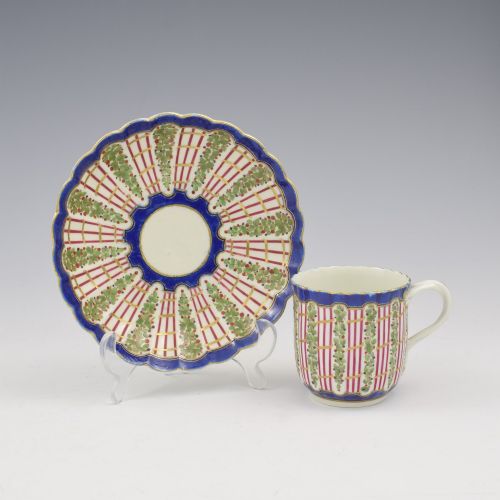
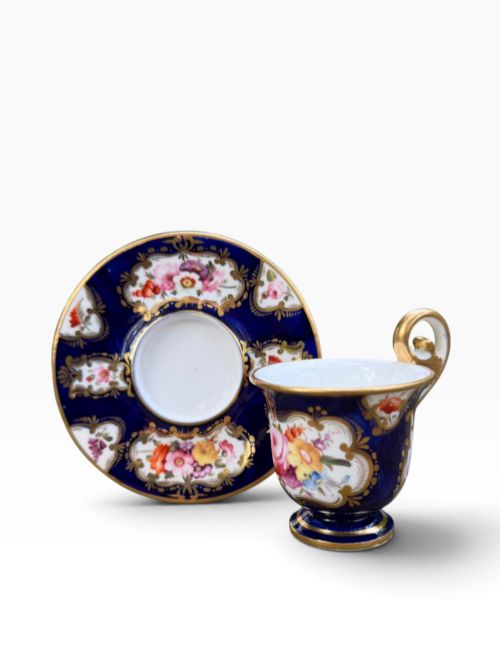
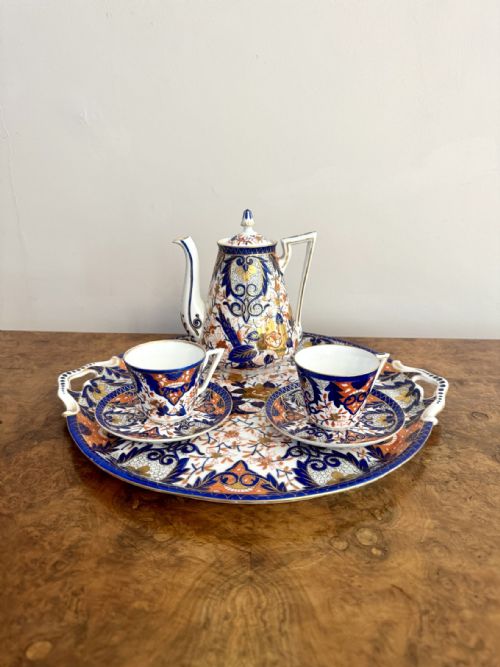
Hand painted china cups encompass delicate teacups, coffee cups, cabinets trios and full services produced across the eighteenth and nineteenth centuries. Buyers searching for hand painted china cups encounter domestic wares and cabinet pieces originating from English factories and continental makers.
The selection ranges from early eighteenth-century porcelain tea bowls to nineteenth-century Victorian cabinet cups and twentieth-century sets. Pieces typically appear as individual duos, trios with matching saucers, or comprehensive tea and coffee services.
Materials and technique
Makers utilised soft-paste porcelain, hard-paste porcelain and bone china as the primary ground for painted decoration. Artisans applied enamel colours by hand, often incorporating rich gilding and gold leaf accents to highlight the rims and handles.
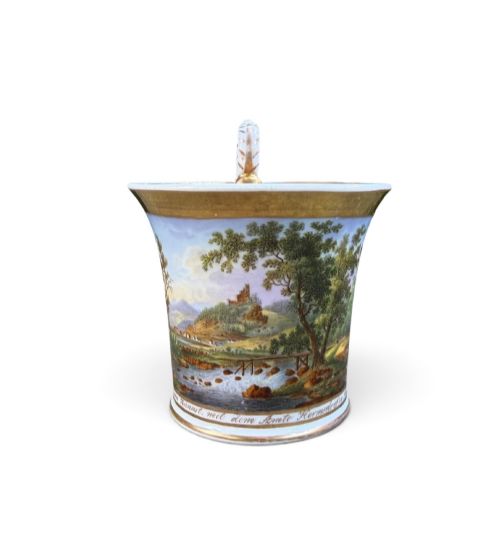
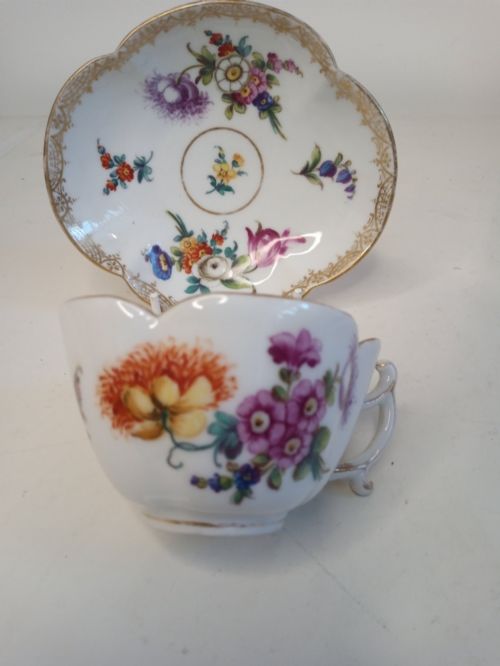
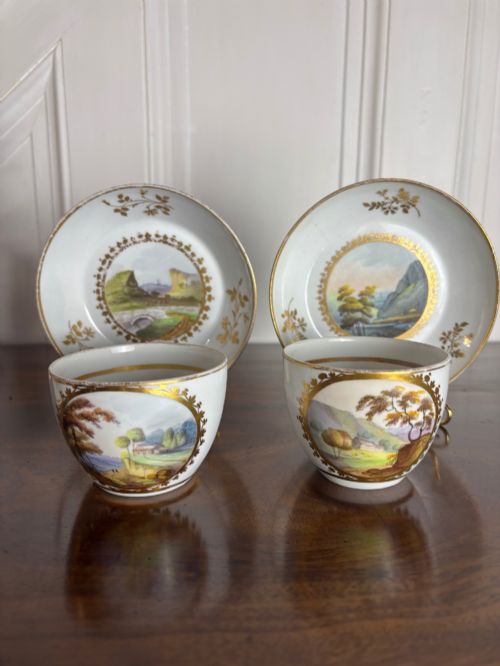
Firing techniques evolved from early eighteenth-century kilns to nineteenth-century industrial methods, allowing intricate topographical scenes, floral motifs and Chinese figures to be permanently fixed beneath or above the glaze.
Current listings feature porcelain, bone china, enamel and gold leaf across Georgian, Regency and Victorian periods.
Quality and execution
Quality rests upon the precision of the hand painting and the crispness of the porcelain body. Finer examples display meticulous brushwork in detailed landscapes or botanical studies, whereas simpler pieces rely on standard factory patterns.
The application of gold leaf and the subtlety of the enamel palette distinguish standard domestic production from high-status cabinet pieces intended for display rather than daily use.
H & R Daniel·Chamberlain Worcester·Richard Chaffers·Coalport John Rose·KPM Berlin·Flight Barr & Barr·Royal Worcester·Clarice Cliff
The Hand Painted China Cups Glossary
- Trio
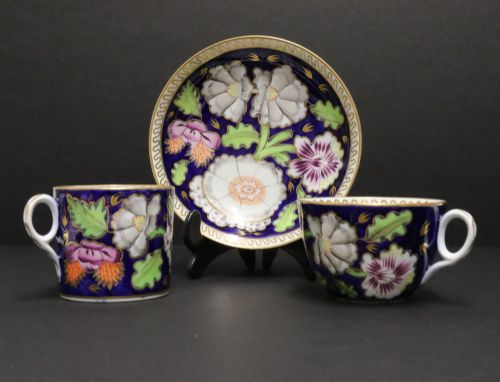
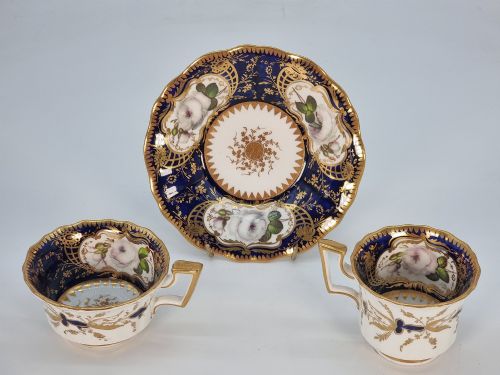
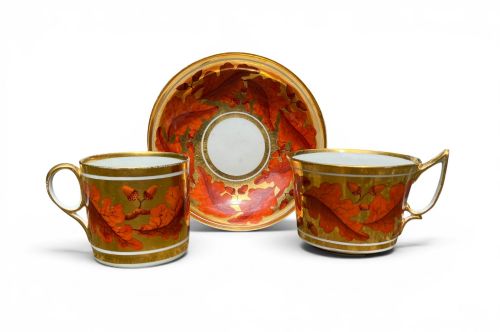
- A matching set comprising a teacup, a coffee cup and a saucer. This combination was particularly popular in the Georgian and Regency periods.
- Cabinet Cup
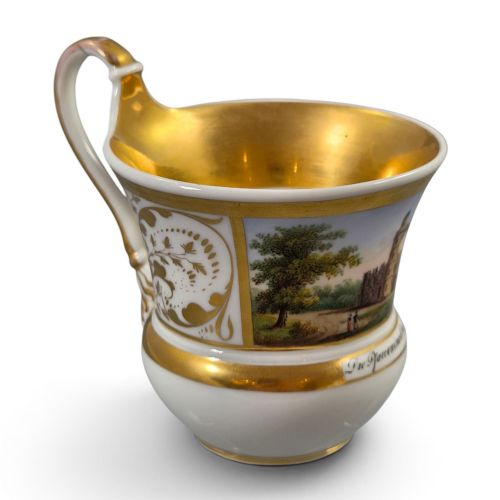
- A decorative cup intended for display in a cabinet rather than for serving tea or coffee. These pieces often feature detailed topographical views or elaborate gilding.
- Soft-Paste Porcelain
- An artificial ceramic paste fired at lower temperatures than hard-paste porcelain. It produces a warm, creamy body common in eighteenth-century English manufactories.
- Gilding
- The application of gold or gold leaf onto the ceramic surface. This technique adds ornamental detail to rims, handles and borders.
Hand Painted China Cups: Frequently Asked Questions
How do I date an antique cup?
Dating relies on factory marks stamped or painted on the base, stylistic clues in the handle shape, and the type of paste used in the body. Comparing the decorative palette to known factory periods helps narrow down the decade.
Changes in ceramic technology, such as the transition from soft-paste to bone china during the early nineteenth century, provide reliable chronological markers for collectors.
Can I use antique cups for tea?
Most antique cups remain structurally sound enough for gentle use, but delicate paste and fragile gilding require careful handling. Many collectors prefer to display cabinet cups rather than risk thermal shock or abrasion.
Hand washing in warm water without harsh detergents protects the enamel colours and gold leaf from fading over time.
What is the difference between a duo and a trio?
A duo consists of a single cup and a matching saucer. This format applies to both teacups and coffee cups across various periods.
A trio adds a second cup to the set, typically pairing a teacup and a coffee cup with one shared saucer, which was a standard British breakfast format in the Regency era.
What are cabinet cups?
Cabinet cups are highly decorative ceramic pieces designed specifically for display in glass-fronted furniture rather than practical dining. They often showcase intricate hand-painted landscapes, portraits or exotic birds.
These items highlight the highest artistic ambitions of porcelain factories, featuring extensive gilding and specialised painted subjects.