


Gilded Ceramic Teacup Set
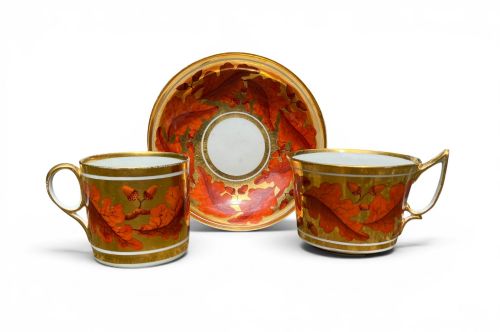
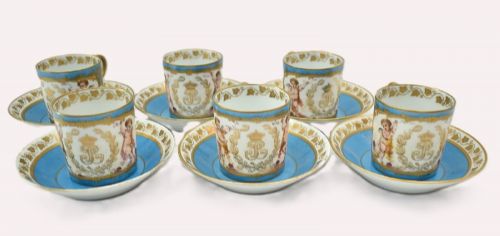
A gilded ceramic teacup set brings together painted porcelain and reflective metal leaf, offering a functional centrepiece for the table.
Gilded Ceramic Teacup Set
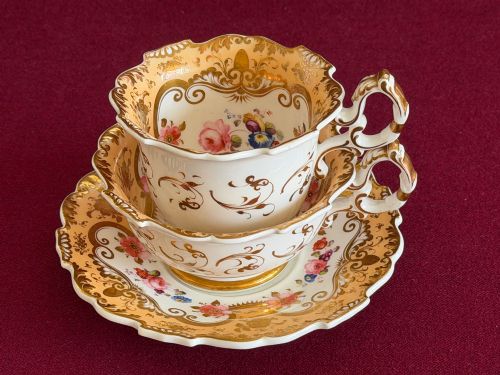
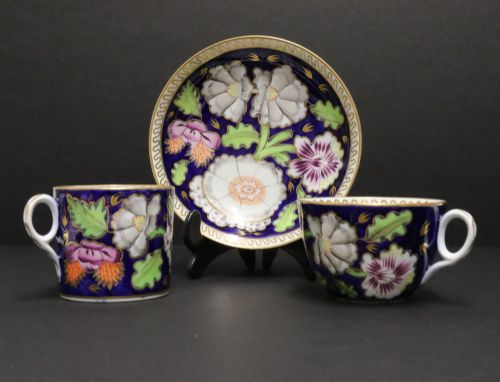
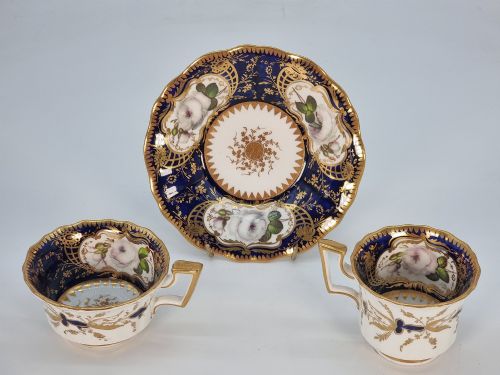
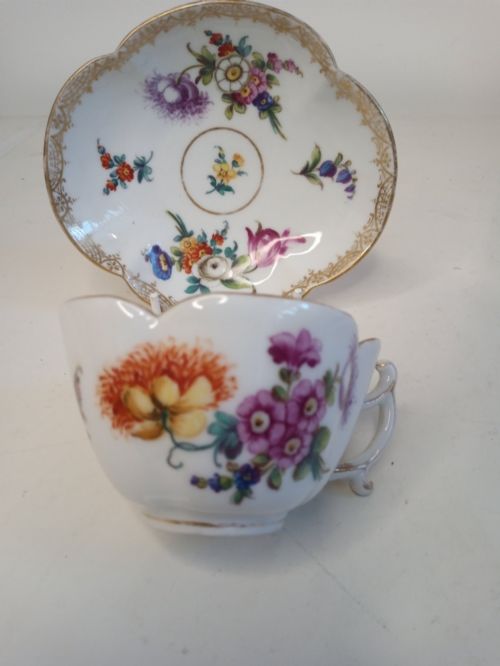
A gilded ceramic teacup set comprises matching vessels for serving hot drinks, spanning forms like trios, demitasse sets and large afternoon tea services. Buyers searching this phrase encounter pieces ranging from early nineteenth century Regency cabinets to twentieth century porcelain productions.
The selection includes English works from factories such as Worcester, Spode and Coalport alongside continental European and Japanese exports. Common configurations range from single cabinet trios comprising a cup, saucer and plate to multi-piece tea and coffee services intended for formal hospitality.
Materials and construction
Potters shaped these vessels using hard-paste porcelain, bone china and ironstone, forming cups and saucers on wheels or in moulds before high-temperature firing. Artisans then applied enamel colours and gold leaf by hand, fixing the metallic decoration through a subsequent kiln firing.
Decoration often combined hand-painted floral or figural motifs with applied gilding, gold leaf, and raised gold gilt details. Surface treatments such as the blush ivory technique or bat printing added texture beneath the final metallic highlights.
Some nineteenth-century makers titled their delicate patterns after birds, fruits, and flying insects, including bat wings and fence and doves.
Judging execution and finish
Quality rests on the crispness of the porcelain body and the precision of the hand-painted and gilded embellishments. Superior sets display meticulous brushwork, even gold application, and harmonious coordination across every cup, saucer, and supporting bowl in the service.
The distinction between standard domestic wares and high-grade cabinet pieces lies in the refinement of the ceramic paste and the complexity of the enamelling. Pieces featuring signed hand-painted scenes or intricate moulded shapes demand closer attention to artistic execution.
A H & R Daniel·Newhall·Coalport John Rose·Sevres·Royal Worcester·Hicks Meigh & Johnson·Moser·Masons Patent Ironstone·Davenport·Taniguchi·KPM Berlin·Spode·Wileman Foley Shelley·Hutschenreuther·Royal Crown Derby·Gladstone potteries
The Gilded Ceramic Teacup Set Glossary
- Trio
- A matching set consisting of a teacup, a saucer, and a tea plate. These groupings were popular for formal afternoon tea service.
- Demitasse
- A small cup used for serving strong black coffee or espresso. They frequently appear paired with matching saucers in twentieth-century collections.
- Bone china
- A type of soft-paste porcelain incorporating bone ash. This composition provides a translucent body suited to delicate painted decoration.
- Gilding
- The application of gold leaf or gold paint to ceramic surfaces. It defines the metallic highlights seen across these teacup sets.
- Cabinet trio
- A decorative ceramic set intended for display rather than daily use. They originate primarily from early nineteenth-century English factories.
Gilded Ceramic Teacup Set: Frequently Asked Questions
What is included in a tea service?
A tea service typically combines multiple teacups and saucers with supporting vessels such as teapots, cream jugs, and sugar bowls. Larger settings provide twenty or more matching pieces designed for entertaining groups.
Smaller iterations, known as trios or solitaire sets, reduce the service to individual portions or single cup configurations suitable for intimate daily use.
How do I care for gilded porcelain?
Gilded porcelain requires gentle hand washing with mild detergent and warm water to protect the delicate gold leaf and enamel decoration. Abrasive sponges and modern dishwashers will wear away the metallic surfaces over time.
Store the cups and saucers carefully, using felt dividers between stacked items to prevent scratching the ceramic glazes and gold rims.
Are these sets safe for daily use?
Most antique and vintage sets function adequately for occasional dining, though collectors often restrict them to display or gentle service. The presence of hand-applied gold and soft enamel suggests careful handling rather than heavy everyday employment.
Twentieth-century iterations generally offer more robust ceramic bodies, while nineteenth-century cabinet trios are best reserved for special occasions.
How do I identify Regency teacups?
Regency teacups display distinct neoclassical or rococo revival forms, often featuring flared rims, deep saucers, and vibrant hand-painted floral panels. Factory marks are frequently absent, relying instead on pattern numbers written in iron-red or purple script.
The porcelain bodies from this period tend to be heavier than later bone china, showcasing rich gilding combined with cobalt blue or burnished gold grounds.